
News
Loved By The People And Close To The People
Unveiling the Features of Men’s Mechanical Timepieces: A Detailed Exploration
2025-11-08

Unveiling the Features of Men’s Mechanical Timepieces
Table of Contents
- 1. Introduction to Men's Mechanical Timepieces
- 2. A Brief History of Mechanical Watches
- 3. Understanding the Working Mechanism of Mechanical Watches
- 4. Types of Mechanical Timepieces: An Overview
- 5. Key Features of Men’s Mechanical Watches
- 6. Benefits of Owning a Mechanical Timepiece
- 7. Maintaining Your Mechanical Watch: Tips and Tricks
- 8. The Ultimate Buying Guide for Men’s Mechanical Watches
- 9. Frequently Asked Questions
- 10. Conclusion: The Timeless Appeal of Mechanical Watches
1. Introduction to Men's Mechanical Timepieces
Men's mechanical timepieces are more than just functional devices; they are exquisite works of art that reflect an age-old tradition of watchmaking. Unlike their quartz counterparts, which rely on batteries, mechanical watches operate through intricate machinery. Their charm lies in the craftsmanship and the meticulous engineering behind each component. Whether you are a seasoned collector or a novice looking to understand the basics, this guide will provide you with an in-depth understanding of men’s mechanical timepieces.
2. A Brief History of Mechanical Watches
The history of mechanical watches dates back to the 16th century when the first portable timepieces began to emerge in Europe. These early devices were bulky and often considered luxury items for the affluent. Over centuries, the craft evolved, leading to significant breakthroughs such as the introduction of the mainspring and the balance wheel. Fast forward to the 20th century, and mechanical watches had become symbols of status and precision. Today, brands like Rolex, Omega, and Patek Philippe continue to uphold this legacy, showcasing exceptional craftsmanship and innovation.
3. Understanding the Working Mechanism of Mechanical Watches
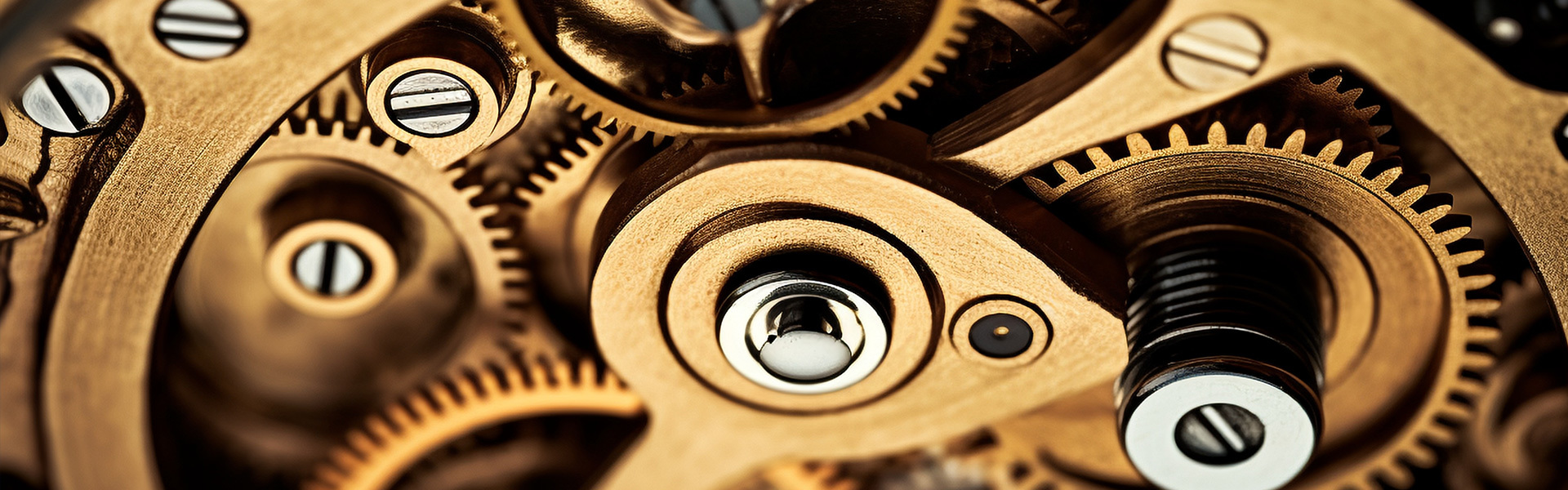
At the heart of every mechanical watch lies a complex assembly of gears, springs, and levers. The primary mechanism consists of:
Mainspring
The mainspring is the power source of the watch. When wound, it stores energy that gradually releases to power the movement.
Gear Train
The gear train transmits energy from the mainspring to the escapement. This transfer controls the movement’s timing and ensures accurate timekeeping.
Escapement
The escapement regulates the release of energy from the mainspring. It is crucial for maintaining the watch's rhythm.
Balance Wheel
The balance wheel oscillates back and forth, dividing time into equal parts. Its function is essential for precision in timekeeping.
Understanding these components provides insight into why mechanical watches are celebrated for their accuracy and durability.
4. Types of Mechanical Timepieces: An Overview
Mechanical watches can be categorized into several types:
Manual Mechanical Watches
Manual mechanical watches require regular winding by the wearer. The interaction creates a unique bond between the owner and the timepiece.
Automatic Mechanical Watches
Automatic watches wind themselves through the motion of the wearer’s wrist. This self-winding feature makes them convenient for everyday use.
Complicated Watches
These timepieces include additional functions beyond standard timekeeping, such as perpetual calendars, moon phases, and chronographs. They showcase exceptional engineering prowess.
Understanding these variations can assist potential buyers in selecting a watch that aligns with their personal style and needs.
5. Key Features of Men’s Mechanical Watches
When considering a mechanical timepiece, several key features stand out:
Craftsmanship
The level of craftsmanship involved in creating a mechanical watch is unparalleled. From hand-finished movements to intricate engravings, each watch is a testament to the skill of its maker.
Durability
Mechanical watches are built to last. Quality materials such as stainless steel, sapphire crystal, and leather straps contribute to their longevity.
Design
Mechanical timepieces often feature classic and elegant designs, making them suitable for various occasions. The aesthetic appeal is a major draw for many watch enthusiasts.
Value Retention
Due to their craftsmanship and brand prestige, mechanical watches can retain and even appreciate in value over time. They often become heirlooms passed down through generations.
These features make men’s mechanical timepieces not just accessories, but valuable investments.
6. Benefits of Owning a Mechanical Timepiece
Owning a mechanical watch comes with numerous advantages:
Timeless Appeal
Mechanical watches have a classic design that transcends trends. Their elegance makes them suitable for both formal and casual settings.
Emotional Connection
Many owners develop a personal connection with their watches. The act of winding a manual watch or the satisfaction of seeing an automatic watch function creates a bond that battery-operated watches lack.
Support for Traditional Craftsmanship
Purchasing a mechanical watch supports traditional watchmaking artisans and the preservation of a centuries-old craft.
7. Maintaining Your Mechanical Watch: Tips and Tricks
Proper maintenance is crucial for keeping a mechanical watch in optimal condition:
Regular Winding
For manual watches, regular winding is essential. Wind your watch daily to ensure its longevity and accuracy.
Service Every Few Years
Professional servicing every three to five years can prevent issues and prolong the life of your watch.
Cleaning and Care
Keep your watch clean by wiping it with a soft cloth. Avoid exposing it to extreme temperatures and magnetic fields, which can affect its accuracy.
Adopting these maintenance practices will ensure your watch remains a cherished companion for years to come.
8. The Ultimate Buying Guide for Men’s Mechanical Watches
When it comes to purchasing a mechanical timepiece, consider the following:
Know Your Budget
Determine your budget before you begin shopping. Mechanical watches can range from affordable to luxury prices.
Research Brands
Familiarize yourself with reputable brands known for their quality and craftsmanship. Brands like Seiko, TAG Heuer, and Audemars Piguet are notable examples.
Consider the Movement
Understand the type of movement that suits your lifestyle, whether manual or automatic.
Inspect the Watch
If possible, inspect the watch in person. Check for construction quality, materials, and overall design.
Ask About Warranty and Service
Inquire about the warranty and available services to ensure you are covered in case of any issues.
A thoughtful approach to purchasing will help you find the perfect mechanical timepiece.
9. Frequently Asked Questions
What is the average lifespan of a mechanical watch?
With proper care, a quality mechanical watch can last for decades or even generations.
Are mechanical watches waterproof?
Many mechanical watches are designed to be water-resistant, but it's essential to check the manufacturer's specifications.
How often should I have my mechanical watch serviced?
It’s recommended to service your mechanical watch every three to five years, depending on usage.
Can I wear my mechanical watch every day?
Yes, wearing your mechanical watch daily is encouraged, especially for automatic models that self-wind with movement.
What is the difference between quartz and mechanical watches?
Quartz watches use a battery for power, while mechanical watches rely on intricate mechanical movements, making them more complex and often more expensive.
10. Conclusion: The Timeless Appeal of Mechanical Watches
In conclusion, men’s mechanical timepieces embody a blend of artistry, precision, and tradition that few accessories can match. Their intricate workings, combined with the craftsmanship involved in their creation, make them not just timekeeping devices but treasured possessions. Whether you are drawn to the allure of manual winding or the convenience of automatic movements, a mechanical watch is more than an accessory; it is a statement of style, sophistication, and an appreciation for the finer things in life. Investing in a mechanical timepiece is not merely a purchase; it is a commitment to preserving a legacy that spans centuries.
Recommended News
Contact Us
Service Hotline
Add:A1, Room 1301, Block 1, Jiabang Guojin Center, No.1 South Shilong Road, Guicheng Street, Nanhai District, Foshan, China

Service Hotline
Add:A1, Room 1301, Block 1, Jiabang Guojin Center, No.1 South Shilong Road, Guicheng Street, Nanhai District, Foshan, China
Online Inquiry