
News
Loved By The People And Close To The People
Understanding Automatic Mechanical Watch Movements: The Heart of Horology
2025-11-07

---
Automatic mechanical watch movements, often referred to simply as automatic movements, represent a pinnacle of horological craftsmanship. Unlike quartz watches that rely on batteries, automatic watches harness the power of kinetic energy generated by the wearer's wrist movements. This remarkable technology is a blend of art and engineering, making automatic watches a favorite among collectors and enthusiasts alike.
At the core of an automatic mechanical watch movement is a rotor, a semi-circular piece that pivots on a central axis. As the wearer moves their wrist, the rotor spins, winding the mainspring. The mainspring stores energy and releases it gradually, powering the watch's gears and enabling it to keep accurate time. This self-winding mechanism eliminates the need for manual winding, provided the watch is worn regularly.
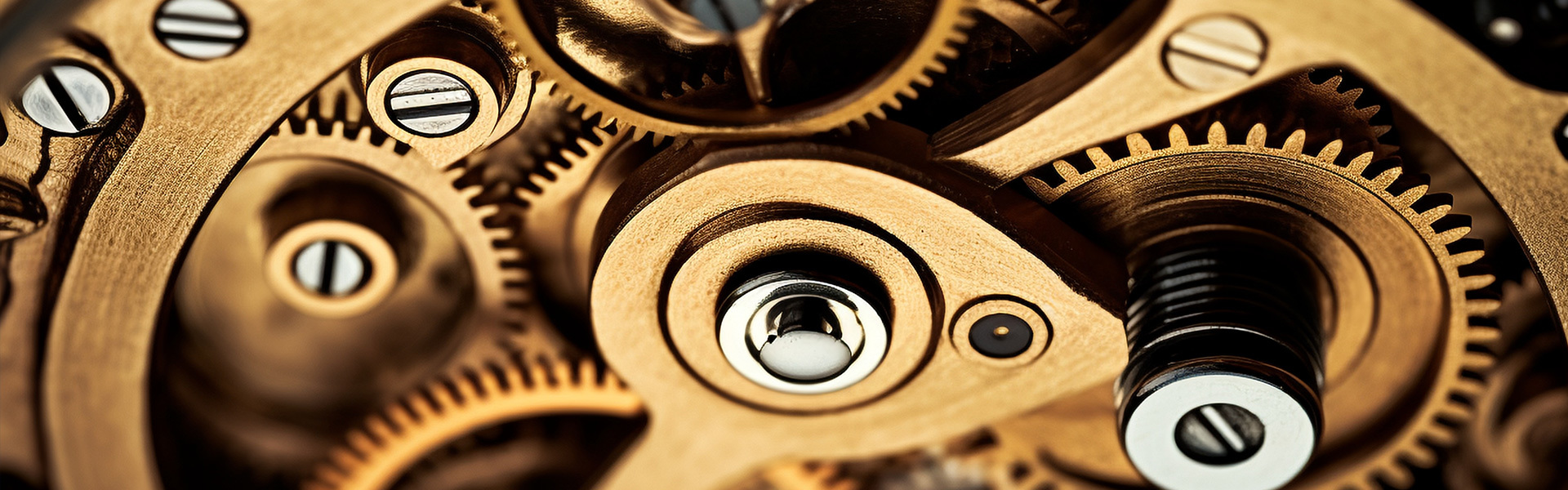
One significant advantage of automatic movements is their longevity. With proper care, a mechanical watch can last for generations. The intricate design of gears, springs, and levers not only contributes to their durability but also adds to their aesthetic appeal. Each component is meticulously crafted, often visible through a transparent case back, allowing enthusiasts to appreciate the intricate workings of the movement.
Maintenance is crucial for ensuring the longevity of automatic watches. Regular servicing, typically every three to five years, is recommended to keep the movement in optimal condition. This process includes cleaning, lubricating the moving parts, and replacing any worn components. Neglecting maintenance can lead to reduced accuracy or even costly repairs.
Another fascinating aspect of automatic movements is their ability to showcase a variety of complications. Beyond simple timekeeping, many automatic watches feature additional functions such as date displays, chronographs, and perpetual calendars. These complications add complexity to the movement and often enhance the watch's functionality and appeal.
In addition to their technical appeal, automatic mechanical watch movements are often seen as a status symbol. The craftsmanship involved in creating these movements speaks to a rich history of horology that dates back centuries. Each watch tells a story of innovation, tradition, and artistry, making them not just timekeeping devices but treasured heirlooms that can be passed down through generations.
In summary, automatic mechanical watch movements exemplify the intersection of technology and artistry in the world of horology. Their self-winding nature, longevity, and intricate craftsmanship make them an appealing choice for anyone interested in luxury timepieces. Whether you are a seasoned collector or a newcomer to the world of watches, understanding the mechanics of automatic movements can deepen your appreciation for these exquisite creations.
Automatic mechanical watch movements, often referred to simply as automatic movements, represent a pinnacle of horological craftsmanship. Unlike quartz watches that rely on batteries, automatic watches harness the power of kinetic energy generated by the wearer's wrist movements. This remarkable technology is a blend of art and engineering, making automatic watches a favorite among collectors and enthusiasts alike.
At the core of an automatic mechanical watch movement is a rotor, a semi-circular piece that pivots on a central axis. As the wearer moves their wrist, the rotor spins, winding the mainspring. The mainspring stores energy and releases it gradually, powering the watch's gears and enabling it to keep accurate time. This self-winding mechanism eliminates the need for manual winding, provided the watch is worn regularly.
One significant advantage of automatic movements is their longevity. With proper care, a mechanical watch can last for generations. The intricate design of gears, springs, and levers not only contributes to their durability but also adds to their aesthetic appeal. Each component is meticulously crafted, often visible through a transparent case back, allowing enthusiasts to appreciate the intricate workings of the movement.
Maintenance is crucial for ensuring the longevity of automatic watches. Regular servicing, typically every three to five years, is recommended to keep the movement in optimal condition. This process includes cleaning, lubricating the moving parts, and replacing any worn components. Neglecting maintenance can lead to reduced accuracy or even costly repairs.
Another fascinating aspect of automatic movements is their ability to showcase a variety of complications. Beyond simple timekeeping, many automatic watches feature additional functions such as date displays, chronographs, and perpetual calendars. These complications add complexity to the movement and often enhance the watch's functionality and appeal.
In addition to their technical appeal, automatic mechanical watch movements are often seen as a status symbol. The craftsmanship involved in creating these movements speaks to a rich history of horology that dates back centuries. Each watch tells a story of innovation, tradition, and artistry, making them not just timekeeping devices but treasured heirlooms that can be passed down through generations.
In summary, automatic mechanical watch movements exemplify the intersection of technology and artistry in the world of horology. Their self-winding nature, longevity, and intricate craftsmanship make them an appealing choice for anyone interested in luxury timepieces. Whether you are a seasoned collector or a newcomer to the world of watches, understanding the mechanics of automatic movements can deepen your appreciation for these exquisite creations.
Recommended News
Contact Us
Service Hotline
Add:A1, Room 1301, Block 1, Jiabang Guojin Center, No.1 South Shilong Road, Guicheng Street, Nanhai District, Foshan, China

Service Hotline
Add:A1, Room 1301, Block 1, Jiabang Guojin Center, No.1 South Shilong Road, Guicheng Street, Nanhai District, Foshan, China
Online Inquiry