
News
Loved By The People And Close To The People
The Art Behind Men’s Automatic Watches: A Deep Dive into Craftsmanship and Innovation
2025-04-19

The Art Behind Men’s Automatic Watches: A Comprehensive Guide
Men’s automatic watches blend exceptional craftsmanship, intricate mechanics, and timeless design, offering not just a tool for telling time but a wearable piece of art. In this article, we delve into the captivating world of automatic watches, exploring their history, mechanics, design elements, and what sets them apart from other timepieces. Whether you are an aficionado or simply curious about these beautiful creations, you will gain valuable insights into the art of automatic watchmaking.
Table of Contents
- The History of Automatic Watches
- Understanding the Mechanics Behind Automatic Watches
- Key Components of Automatic Watches
- Design and Aesthetics: The Art of Automatic Watches
- Popular Brands and Collections of Men's Automatic Watches
- Maintaining Your Automatic Watch: Tips for Longevity
- Investment Value of Automatic Watches
- Frequently Asked Questions
The History of Automatic Watches
The evolution of automatic watches dates back to the 18th century, when inventors began exploring ways to enhance traditional timekeeping methods. The first known automatic, or self-winding, watch was developed by Abraham-Louis Perrelet in the late 1770s. His invention utilized a rotor mechanism that wound the mainspring as the wearer moved. This innovation paved the way for future advancements in watchmaking.
Throughout the 19th and 20th centuries, various manufacturers refined the automatic movement, introducing innovations such as the bi-directional winding rotor and improved gearing systems. Brands such as Rolex and Seiko became pioneers, producing watches that combined reliability with precision. Today, automatic watches are celebrated not only for their functionality but also for their artistry, symbolizing a timeless commitment to craftsmanship.
Understanding the Mechanics Behind Automatic Watches
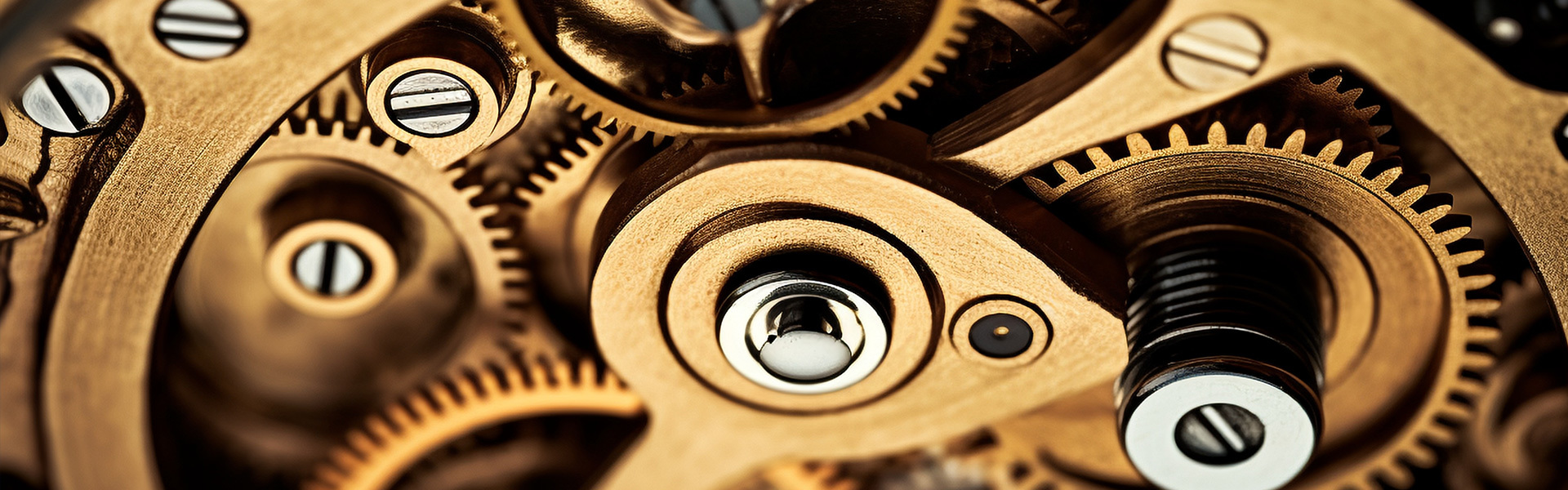
At the heart of every automatic watch lies a complex mechanical movement. Unlike quartz watches that rely on batteries, automatic watches harness kinetic energy from the wearer's wrist movement, which is then converted into power to keep the watch running. The core components include:
The Rotor
The rotor is a semi-circular weight that pivots on a central pivot point. As the wearer moves their wrist, the rotor spins, winding the mainspring. This ingenious design allows the watch to remain powered without manual winding, as long as it is worn regularly.
The Gear Train
The gear train transmits energy from the mainspring to the escapement, regulating the flow of energy and ensuring accurate timekeeping. This system consists of various gears that reduce the speed of the mainspring's release, allowing the watch to keep time with precision.
The Escapement Mechanism
The escapement plays a critical role in controlling the release of energy from the mainspring. This mechanism consists of the pallet fork and escape wheel, which work together to create a ticking motion, ensuring the watch advances in precise intervals.
The Balance Wheel
The balance wheel is a tiny component that oscillates back and forth, much like a pendulum. It regulates the timekeeping of the watch by controlling the speed at which the gear train advances. The accuracy of the automatic watch is largely dependent on the precision of this mechanism.
Key Components of Automatic Watches
Each component in an automatic watch is meticulously crafted, contributing to its overall functionality and aesthetic appeal. Key components include:
The Case
The case protects the internal components of the watch and can be made from various materials such as stainless steel, gold, or titanium. The choice of material affects the watch’s durability, weight, and appearance.
The Dial
The dial is where the artistry shines. It can feature a variety of designs, textures, and colors, often adorned with markers and hands that reflect the brand’s unique style. Some dials even include complications, such as date displays or chronographs, enhancing their functionality.
The Crystal
The crystal covers the dial and can be made from materials like mineral glass, synthetic sapphire, or acrylic. Each type offers different levels of scratch resistance and clarity, impacting the watch's durability and appearance.
The Strap or Bracelet
The strap or bracelet not only adds comfort but also influences the watch's overall style. Materials used range from leather and fabric to metal links, each providing a different aesthetic and feel on the wrist.
Design and Aesthetics: The Art of Automatic Watches
Design is a crucial element in the creation of automatic watches, reflecting the brand’s identity and the artistry of watchmaking. Various styles cater to diverse tastes, from classic and minimalist to bold and sporty. Key design elements include:
Case Shape and Size
The shape and size of the case significantly influence the watch's appearance and wearability. Common shapes include round, rectangular, and tonneau, with sizes ranging from slim to oversized to cater to different wrist sizes and personal preferences.
Dial Layout
The layout of the dial, including the arrangement of hands and markers, contributes to the watch's readability and aesthetic appeal. Complications like chronographs, moon phases, and power reserve indicators add depth to the design, showcasing the watchmaker's expertise.
Finishing Touches
Finishing touches such as engraving, polishing, and unique materials elevate a watch’s artistry. High-end brands often employ intricate details that reveal the craftsmanship involved in creating each piece, making them not just timepieces but collectible works of art.
Popular Brands and Collections of Men's Automatic Watches
Several brands have made a name for themselves in the world of automatic watches, each offering unique collections that appeal to various tastes and budgets. Here are a few noteworthy brands:
Rolex
Rolex is perhaps the most recognized name in luxury watches, known for its impeccable craftsmanship and iconic models like the Submariner and Datejust. Rolex watches are celebrated for their durability, precision, and timeless design.
Omega
Omega combines innovation with tradition, offering collections such as the Speedmaster and Seamaster. Known for their involvement in space exploration and sports timing, Omega watches are a blend of sporty aesthetics and advanced technology.
Seiko
Seiko is a pioneer of affordable automatic watches, known for their reliability and craftsmanship. The Seiko 5 series, in particular, offers excellent value, combining style and functionality for everyday wear.
Tag Heuer
Known for its association with motorsports, Tag Heuer produces sporty and sophisticated watches like the Carrera and Monaco. Their timepieces often feature chronograph functions and bold designs that appeal to a younger audience.
Maintaining Your Automatic Watch: Tips for Longevity
To ensure the longevity of your automatic watch, regular maintenance is essential. Here are some tips to keep your timepiece in optimal condition:
Regular Wear
Wearing your automatic watch regularly keeps it wound and functioning correctly. If you don’t wear it often, consider investing in a watch winder to maintain its power reserve.
Routine Cleaning
Keep your watch clean by wiping it with a soft cloth to remove dirt and sweat. For deeper cleaning, refer to the manufacturer's guidelines, especially for water-resistant models.
Periodic Servicing
Like any mechanical device, automatic watches require periodic servicing to maintain their accuracy and functionality. It is advisable to have your watch serviced every 3-5 years by a professional watchmaker.
Investment Value of Automatic Watches
Automatic watches often hold or even appreciate in value over time, making them a worthwhile investment. Factors influencing their investment potential include:
Brand Reputation
Watches from established luxury brands tend to retain their value better than lesser-known brands, as they are associated with quality and prestige.
Limited Editions
Limited edition models tend to become highly sought after, often increasing in value as collectors vie for unique pieces.
Condition and Originality
The condition of the watch, including whether it has original parts and documentation, plays a significant role in its investment value. Well-preserved watches tend to command higher prices on the secondary market.
Frequently Asked Questions
1. What is the difference between automatic and quartz watches?
Automatic watches are powered by the movement of the wearer, while quartz watches rely on a battery. Automatic watches are generally considered more traditional and are often favored for their craftsmanship.
2. How often should I service my automatic watch?
It is recommended to have your automatic watch serviced every 3-5 years, depending on usage and manufacturer recommendations.
3. Can I wear my automatic watch while swimming?
Many automatic watches are water-resistant, but it is essential to check the specific water resistance rating of your watch before exposing it to water.
4. How do I wind my automatic watch manually?
If your watch has stopped, you can wind it manually by turning the crown in a clockwise direction. This action will wind the mainspring and power the watch.
5. What should I do if my automatic watch is running slow?
Running slow can indicate the need for servicing or adjustment. It is advisable to consult a professional watchmaker to diagnose and rectify the issue.
Conclusion
Men's automatic watches symbolize a perfect blend of artistry and engineering, embodying the tradition of watchmaking while embracing modern innovation. From their intricate mechanics to their stunning designs, these timepieces are not just instruments for timekeeping but cherished accessories that reflect personal style and sophistication. By understanding the craftsmanship and care that goes into each piece, collectors and enthusiasts can appreciate the true value of automatic watches, ensuring their legacy continues for years to come.
Recommended News
Contact Us
Service Hotline
Add:A1, Room 1301, Block 1, Jiabang Guojin Center, No.1 South Shilong Road, Guicheng Street, Nanhai District, Foshan, China

Service Hotline
Add:A1, Room 1301, Block 1, Jiabang Guojin Center, No.1 South Shilong Road, Guicheng Street, Nanhai District, Foshan, China
Online Inquiry