
News
Loved By The People And Close To The People
The Art and Precision of Automatic Mechanical Watch Movements
2025-04-18

Automatic mechanical watch movements represent the pinnacle of traditional watchmaking, combining exquisite craftsmanship with innovative engineering. Understanding these movements is essential for anyone involved in the watch industry or for those simply passionate about horology.
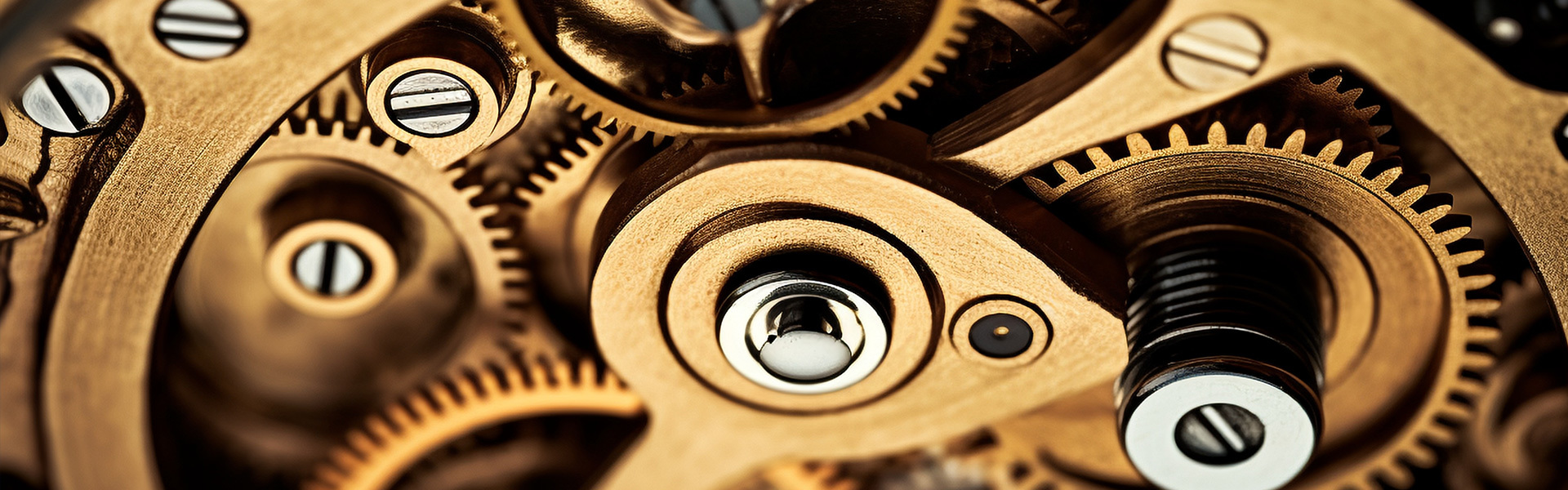
At the heart of an automatic mechanical watch is a movement that harnesses the energy generated by the wearer's wrist. Unlike quartz watches that rely on batteries, automatic movements function through a series of intricate gears and springs, which convert kinetic energy into mechanical energy. This process not only powers the watch but also maintains its accuracy and reliability.
The key component of an automatic movement is the rotor, a semi-circular piece of metal that rotates with the motion of the wrist. As the rotor spins, it winds the mainspring, storing energy that is gradually released to power the watch. This self-winding mechanism eliminates the need for manual winding, as long as the watch is worn regularly.
One of the significant advantages of automatic mechanical watch movements is their longevity. With proper care and maintenance, these watches can last for generations. The materials used in high-quality movements, such as brass and stainless steel, provide durability and resistance to wear. Furthermore, the intricate craftsmanship involved in creating these movements often results in stunning visual appeal, making them a favorite among collectors and enthusiasts.
Another reason for the popularity of automatic movements is their smooth sweeping second-hand motion. Unlike quartz watches, which tick in distinct increments, the second hand of an automatic watch glides smoothly around the dial, adding a touch of elegance and sophistication. This characteristic has made automatic watches not only a functional timepiece but also a statement of style.
When considering automatic mechanical watch movements, it’s essential to recognize the expertise required in their assembly and servicing. Watchmakers undergo years of training to master the art of horology, ensuring that each movement is crafted to perfection. This level of craftsmanship adds value, making automatic watches not just timekeeping devices, but also works of art.
In conclusion, automatic mechanical watch movements encapsulate the essence of traditional watchmaking, offering a blend of functionality, durability, and aesthetic appeal. For professionals in the watch industry, understanding these movements is crucial for appreciating the artistry involved and for providing valuable insights to clients. Whether you are a collector, a retailer, or a watch enthusiast, embracing the intricacies of automatic movements will enhance your appreciation for these remarkable timepieces.
At the heart of an automatic mechanical watch is a movement that harnesses the energy generated by the wearer's wrist. Unlike quartz watches that rely on batteries, automatic movements function through a series of intricate gears and springs, which convert kinetic energy into mechanical energy. This process not only powers the watch but also maintains its accuracy and reliability.
The key component of an automatic movement is the rotor, a semi-circular piece of metal that rotates with the motion of the wrist. As the rotor spins, it winds the mainspring, storing energy that is gradually released to power the watch. This self-winding mechanism eliminates the need for manual winding, as long as the watch is worn regularly.
One of the significant advantages of automatic mechanical watch movements is their longevity. With proper care and maintenance, these watches can last for generations. The materials used in high-quality movements, such as brass and stainless steel, provide durability and resistance to wear. Furthermore, the intricate craftsmanship involved in creating these movements often results in stunning visual appeal, making them a favorite among collectors and enthusiasts.
Another reason for the popularity of automatic movements is their smooth sweeping second-hand motion. Unlike quartz watches, which tick in distinct increments, the second hand of an automatic watch glides smoothly around the dial, adding a touch of elegance and sophistication. This characteristic has made automatic watches not only a functional timepiece but also a statement of style.
When considering automatic mechanical watch movements, it’s essential to recognize the expertise required in their assembly and servicing. Watchmakers undergo years of training to master the art of horology, ensuring that each movement is crafted to perfection. This level of craftsmanship adds value, making automatic watches not just timekeeping devices, but also works of art.
In conclusion, automatic mechanical watch movements encapsulate the essence of traditional watchmaking, offering a blend of functionality, durability, and aesthetic appeal. For professionals in the watch industry, understanding these movements is crucial for appreciating the artistry involved and for providing valuable insights to clients. Whether you are a collector, a retailer, or a watch enthusiast, embracing the intricacies of automatic movements will enhance your appreciation for these remarkable timepieces.
Recommended News
Contact Us
Service Hotline
Add:A1, Room 1301, Block 1, Jiabang Guojin Center, No.1 South Shilong Road, Guicheng Street, Nanhai District, Foshan, China

Service Hotline
Add:A1, Room 1301, Block 1, Jiabang Guojin Center, No.1 South Shilong Road, Guicheng Street, Nanhai District, Foshan, China
Online Inquiry