
News
Loved By The People And Close To The People
Exploring the Timeless Evolution of Mechanical Watches Through the Ages
2025-12-10

Exploring the Timeless Evolution of Mechanical Watches Through the Ages
Table of Contents
- 1. Introduction to Mechanical Watches
- 2. The Early History of Timekeeping
- 3. The Invention of Mechanical Watches
- 4. The Golden Age of Horology
- 5. The Impact of Industrialization on Watchmaking
- 6. Modern Innovations in Mechanical Watches
- 7. The Cultural Significance of Mechanical Watches
- 8. Conclusion
1. Introduction to Mechanical Watches
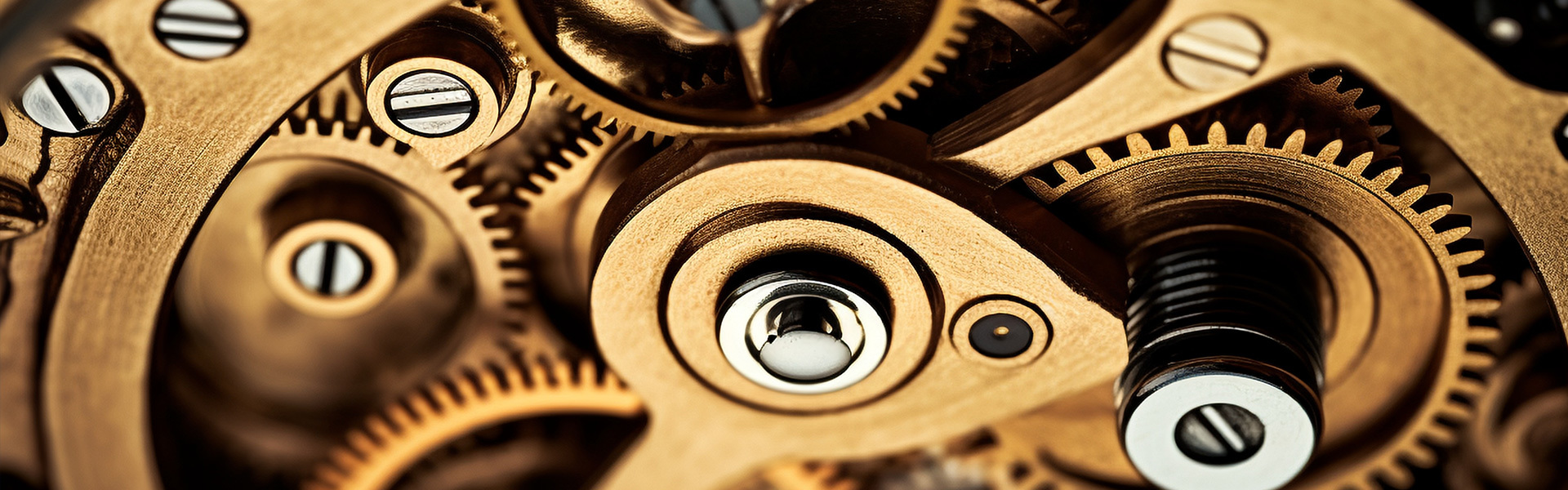
Mechanical watches hold a unique place in the world of horology, representing the pinnacle of craftsmanship and precision. These timepieces function through intricate mechanisms of gears, springs, and levers, showcasing the artistry of watchmakers. Unlike their quartz counterparts, mechanical watches rely on the intricate dance of mechanical parts, a feature that enthusiasts cherish. This article explores the evolution of mechanical watches, from their inception to their place in modern culture, providing insights into the craftsmanship, innovation, and history that have made these watches timeless.
2. The Early History of Timekeeping
The journey of mechanical watches begins long before they were perfected. Ancient civilizations utilized sundials, water clocks, and hourglasses to measure time. The Egyptians crafted sundials around 1500 BC, while the Greeks utilized water clocks, known as clepsydras, to measure the passage of time. However, these early devices lacked accuracy and often depended on environmental conditions.
By the Middle Ages, the need for more precise timekeeping became evident, especially in monasteries where prayer schedules were strictly regulated. This led to the development of early clock towers in Europe, which employed mechanical systems powered by weights and gears, laying the groundwork for modern horology.
3. The Invention of Mechanical Watches
The true evolution of mechanical watches began in the 16th century with the invention of the mainspring, which allowed for the creation of portable timepieces. The first watches, primarily worn as pendants or brooches, were powered by hand-wound movements. Key figures such as Peter Henlein, a German locksmith, are often credited with creating some of the earliest spring-driven watches.
As watchmaking spread across Europe, particularly in Switzerland, craftsmanship flourished. Artisans began to experiment with different materials, designs, and techniques, leading to the production of more reliable and intricate movements. The introduction of the escapement mechanism further enhanced accuracy, allowing watches to tick with greater precision.
4. The Golden Age of Horology
The 18th and 19th centuries marked the golden age of horology, characterized by significant advancements in watchmaking techniques and technology. This era saw the emergence of master craftsmen who elevated the art of watchmaking, producing timepieces that were not only functional but also works of art.
In 1755, the establishment of the first Swiss watchmaking school in Geneva set a new standard for training and skill development. The launch of pocket watches became increasingly popular among the affluent, leading to intricate designs adorned with jewels and elaborate engravings. Key brands such as Breguet and Patek Philippe emerged, creating timepieces that became synonymous with luxury.
5. The Impact of Industrialization on Watchmaking
The Industrial Revolution in the 19th century transformed the watchmaking industry. The introduction of mass production techniques allowed manufacturers to produce watches more efficiently, making them accessible to a broader audience. Companies like Waltham Watch Company in the United States pioneered assembly line production, which drastically reduced costs while maintaining quality.
However, the rise of mass production also led to concerns regarding craftsmanship and individuality. While affordable watches became available, enthusiasts began to seek out mechanical timepieces that retained the artisanal touch and unique characteristics of traditional watchmaking. This yearning for craftsmanship spurred a revival in the appreciation of mechanical watches, paving the way for a resurgence in luxury brands.
6. Modern Innovations in Mechanical Watches
As we entered the 20th century, mechanical watches continued to evolve alongside technological advancements. The introduction of automatic movements, which utilized the natural motion of the wearer's wrist to wind the mainspring, revolutionized the industry. This innovation eliminated the need for manual winding, enhancing convenience for watch enthusiasts.
The quartz crisis of the 1970s posed a significant challenge to mechanical watches, as quartz timepieces offered unparalleled accuracy at a lower cost. Despite this, mechanical watches experienced a renaissance in the 1980s, fueled by a growing appreciation for craftsmanship and tradition. Brands began to emphasize the artistry behind their creations, showcasing intricate movements, unique complications, and remarkable design.
7. The Cultural Significance of Mechanical Watches
Today, mechanical watches are more than just timekeeping devices; they symbolize status, style, and a connection to history. Collectors and enthusiasts revel in the intricacies of movements, often forming passionate communities centered around their shared appreciation for horology.
The cultural significance of mechanical watches extends beyond their functionality. They often represent milestones and important life events, such as graduations, weddings, or anniversaries. Luxury brands have created iconic models that have become status symbols, solidifying their place in popular culture.
Moreover, the rise of independent watchmakers has redefined the industry, bringing forth innovation and creativity that challenge traditional norms. These artisans craft unique timepieces that tell stories, blending traditional craftsmanship with contemporary design.
8. Conclusion
The evolution of mechanical watches is a testament to human ingenuity, artistry, and our desire to measure time with precision. From early sundials to the intricate timepieces of modern craftsmanship, mechanical watches have transcended their practical purpose, embodying the rich tapestry of history and culture. As we continue to embrace innovation while honoring tradition, the legacy of mechanical watches will undoubtedly endure.
FAQs
1. What is a mechanical watch?
A mechanical watch is a timepiece that operates through a complex system of gears and springs, rather than relying on a battery. These watches are often powered by winding a mainspring, either manually or automatically.
2. How do automatic mechanical watches work?
Automatic mechanical watches utilize the motion of the wearer's wrist to wind the mainspring, eliminating the need for manual winding. A rotor inside the watch spins as the wrist moves, transferring energy to the mainspring.
3. What are some famous luxury mechanical watch brands?
Some well-known luxury mechanical watch brands include Rolex, Patek Philippe, Audemars Piguet, Omega, and Jaeger-LeCoultre, each known for their exceptional craftsmanship and iconic designs.
4. Why are mechanical watches considered valuable?
Mechanical watches are valued for their intricate craftsmanship, artistry, and history. Many brands produce limited editions or unique models, which can significantly increase their worth among collectors.
5. How can I maintain my mechanical watch?
To maintain your mechanical watch, it is advisable to have it serviced every few years by a professional watchmaker. Regular cleaning and oiling of the movement help ensure accuracy and longevity. Avoid exposing the watch to extreme temperatures, magnetic fields, or water unless it is specifically designed to be water-resistant.
By exploring the evolution of mechanical watches throughout history, we gain a deeper appreciation for these remarkable timepieces and the dedication of the artisans who create them.
The next one:
Recommended News
Contact Us
Service Hotline
Add:A1, Room 1301, Block 1, Jiabang Guojin Center, No.1 South Shilong Road, Guicheng Street, Nanhai District, Foshan, China

Service Hotline
Add:A1, Room 1301, Block 1, Jiabang Guojin Center, No.1 South Shilong Road, Guicheng Street, Nanhai District, Foshan, China
Online Inquiry