
News
Loved By The People And Close To The People
Unveiling the Secrets of Automatic Mechanical Watch Movement: A Deep Dive into Horological Wonders
2025-11-30

Unveiling the Secrets of Automatic Mechanical Watch Movement
Table of Contents
1. Introduction to Automatic Mechanical Watches
2. The History of Automatic Movement
3. How Automatic Mechanical Watches Work
3.1 The Components of Automatic Movement
3.2 The Role of the Rotor
4. Advantages of Automatic Mechanical Watches
5. The Craftsmanship Behind Automatic Watches
6. Popular Brands and Their Innovations
7. Maintenance Tips for Automatic Mechanical Watches
8. Frequently Asked Questions (FAQs)
9. Conclusion
1. Introduction to Automatic Mechanical Watches
Automatic mechanical watches represent the pinnacle of watchmaking artistry and engineering. Unlike quartz watches, which rely on batteries, these timepieces harness the power of the wearer’s movement to function. As we delve deeper into the world of automatic watches, we will uncover the fascinating mechanics behind their operation, their historical significance, and the enduring appeal they hold for enthusiasts.
2. The History of Automatic Movement
The journey of automatic movement began in the late 18th century when Abraham-Louis Breguet first conceptualized the self-winding mechanism. However, it wasn't until the 20th century that automatic watches gained widespread popularity. The introduction of the rotor mechanism revolutionized horology, allowing watches to be wound simply by wearing them. Over the decades, various innovations have refined this technology, leading to the sophisticated automatic movements we see today.
3. How Automatic Mechanical Watches Work
At the heart of every automatic mechanical watch lies a complex series of interactions that transform the wearer’s movement into energy. Understanding these intricacies is essential for appreciating the artistry involved in their creation.
3.1 The Components of Automatic Movement
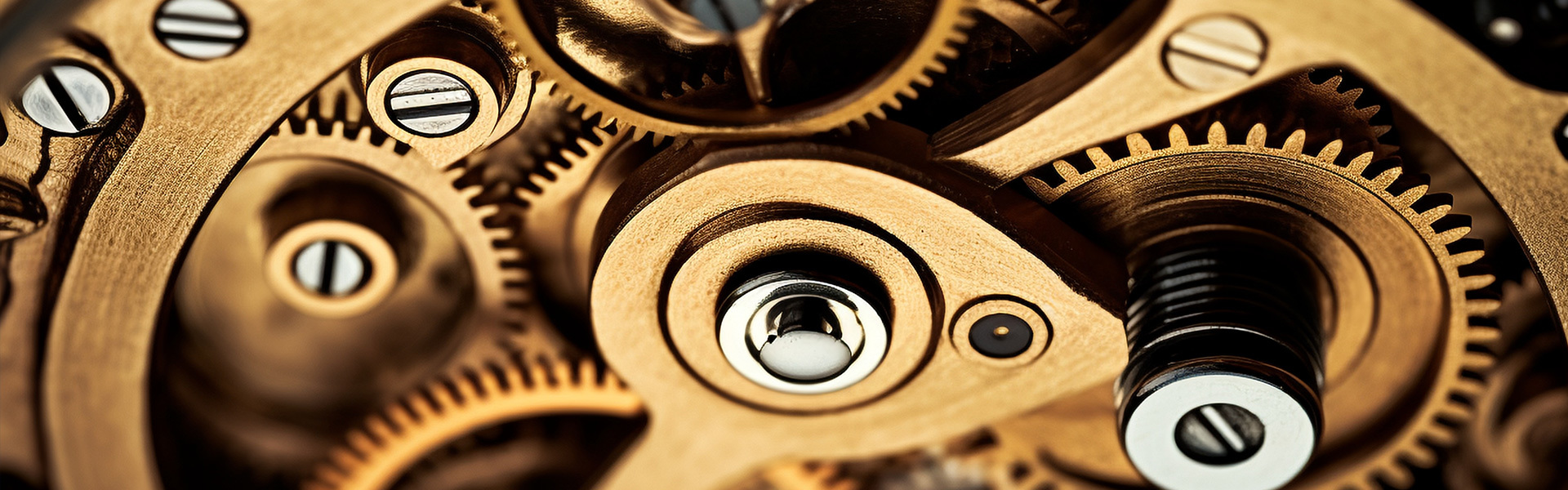
An automatic watch is composed of essential parts, including the mainspring, gear train, escapement, and the balance wheel. Each component plays a critical role in the watch's function:
- **Mainspring**: The mainspring stores energy, coiling and uncoiling to power the watch.
- **Gear Train**: This assembly transmits energy from the mainspring to the escapement.
- **Escapement**: It regulates the release of energy to ensure precise timekeeping.
- **Balance Wheel**: This component oscillates back and forth, providing the watch with a consistent time base.
3.2 The Role of the Rotor
The rotor is a semi-circular weight that moves as the wearer’s wrist rotates. This movement winds the mainspring, storing energy for the watch. Unlike manual mechanical watches, which require winding by hand, automatic watches offer the convenience of self-winding. This innovation ensures that wearers can enjoy their timepieces with minimal effort.
4. Advantages of Automatic Mechanical Watches
Automatic mechanical watches come with numerous advantages that set them apart from their quartz counterparts:
- **Craftsmanship**: The intricate design and engineering behind automatic movements showcase exceptional craftsmanship.
- **Longevity**: These watches, when maintained properly, can last for generations, making them valuable heirlooms.
- **No Battery Required**: The self-winding mechanism eliminates the need for battery replacements, making them more environmentally friendly.
- **Aesthetic Appeal**: The transparent case backs of many automatic watches allow enthusiasts to admire the movement's inner workings.
5. The Craftsmanship Behind Automatic Watches
The creation of an automatic mechanical watch requires immense skill and dedication. Master watchmakers invest countless hours into designing, assembling, and testing movements. Attention to detail is paramount, as even the slightest error can affect the functionality and accuracy of the timepiece. Many high-end brands offer tours of their manufacturing facilities, showcasing the intricate processes involved in crafting these horological masterpieces.
6. Popular Brands and Their Innovations
Several renowned brands have made significant contributions to the development of automatic mechanical movements. Some of the most notable include:
- **Rolex**: Known for its precision and durability, Rolex was a pioneer in self-winding technology with its Oyster Perpetual model.
- **Patek Philippe**: This luxury brand is famous for its innovative movements and exquisite complications, making it a favorite among collectors.
- **Seiko**: Aimed at making automatic watches accessible, Seiko has created reliable and affordable options for everyday wear.
- **Omega**: With its Co-Axial escapement, Omega has improved accuracy and reduced friction in automatic movements.
7. Maintenance Tips for Automatic Mechanical Watches
Proper maintenance is crucial to ensuring the longevity of your automatic mechanical watch. Here are some essential tips:
- **Regular Winding**: If not worn frequently, consider manual winding to keep the mechanism lubricated.
- **Service Intervals**: Have your watch serviced every 3 to 5 years by a professional to keep it in top condition.
- **Avoid Extreme Conditions**: Protect your watch from extreme temperatures, magnetic fields, and water exposure unless it’s designed for such conditions.
- **Cleaning**: Regularly clean the exterior using a soft cloth to prevent dust and dirt accumulation.
8. Frequently Asked Questions (FAQs)
Q1: How long does an automatic watch last?
A: With proper care and maintenance, an automatic watch can last for decades or even a lifetime.
Q2: Can automatic watches be affected by magnetism?
A: Yes, strong magnetic fields can interfere with the movement's accuracy. It's advisable to keep them away from electronic devices.
Q3: Do I need to wind my automatic watch daily?
A: If worn regularly, an automatic watch will wind itself. However, if not worn for an extended period, manual winding is recommended.
Q4: What's the difference between automatic and manual watches?
A: Automatic watches wind themselves through wrist movement, while manual watches require regular winding by hand.
Q5: Are automatic watches good for everyday wear?
A: Yes, many automatic watches are designed for durability and can be worn daily, provided they are maintained well.
9. Conclusion
In conclusion, automatic mechanical watches are not just timekeeping devices; they are a testament to the artistry and engineering prowess of horology. Their intricate mechanisms, rich histories, and unmatched craftsmanship make them a compelling choice for collectors and enthusiasts alike. By understanding the secrets behind their movement, wearers can truly appreciate the value and significance of these exquisite timepieces. As we continue to explore advancements in watchmaking, the allure of automatic watches remains timeless, ensuring their place in the future of horology.
Recommended News
Contact Us
Service Hotline
Add:A1, Room 1301, Block 1, Jiabang Guojin Center, No.1 South Shilong Road, Guicheng Street, Nanhai District, Foshan, China

Service Hotline
Add:A1, Room 1301, Block 1, Jiabang Guojin Center, No.1 South Shilong Road, Guicheng Street, Nanhai District, Foshan, China
Online Inquiry