
News
Loved By The People And Close To The People
Ultimate Guide: How to Care for Your Skeleton Watch - Essential Maintenance Tips
2025-11-22

How to Care for Your Skeleton Watch: Maintenance Tips
Introduction to Skeleton Watches
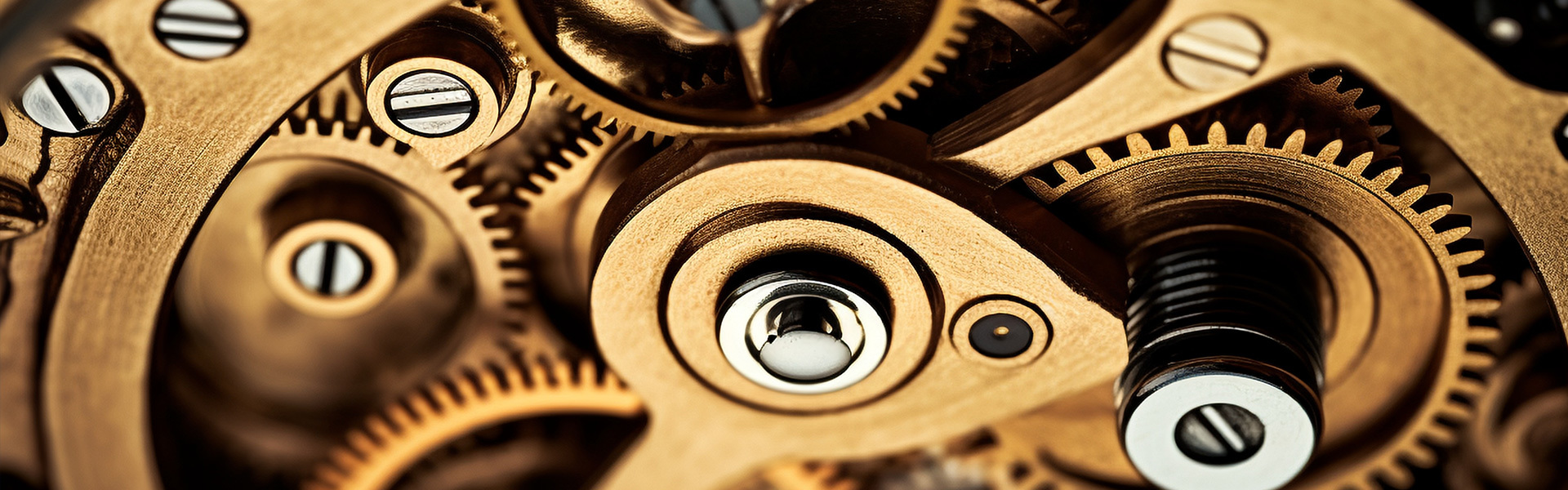
Skeleton watches have become increasingly popular due to their unique aesthetics and intricate engineering. Unlike traditional watches, these timepieces feature transparent cases that showcase their internal mechanisms. This beauty, however, comes with the responsibility of proper maintenance. In this guide, we will explore essential tips on how to care for your skeleton watch, ensuring its longevity and functionality.
Understanding the Importance of Regular Maintenance
Proper maintenance is crucial for any watch, but it is especially vital for skeleton watches. Their open design exposes delicate components to dust, moisture, and other environmental factors. Regular care not only keeps your watch looking new, but it also prevents potential issues that could arise from neglect. Here, we will delve into the steps you should take to maintain your skeleton watch effectively.
The Anatomy of a Skeleton Watch
To care for your skeleton watch, it helps to understand its anatomy. A typical skeleton watch includes:
- **Movement**: The heart of the watch, which is often manually wound or automatic.
- **Dial and Hands**: Usually designed to showcase the inner workings.
- **Case**: The outer shell that protects the movement.
- **Crown**: Used for winding and setting the time.
By familiarizing yourself with these components, you can better appreciate the intricacies involved in maintaining your timepiece.
Essential Cleaning Tips for Your Skeleton Watch
Keeping your skeleton watch clean is one of the most straightforward yet effective ways to ensure its longevity. Here are some essential cleaning tips:
1. Dusting the Case and Dial
Use a soft, lint-free cloth to gently wipe the case and dial. Avoid using abrasive materials that may scratch the surface. Regular dusting prevents buildup that could hinder movement performance.
2. Cleaning the Glass
If your watch has a glass case back, use a glass cleaner with a microfiber cloth. For plastic or acrylic, ensure you use a cleaner specifically designed for these materials to avoid scratches.
3. Deep Cleaning with Professional Help
For a thorough clean, consider taking your skeleton watch to a professional watchmaker annually. They have the tools and expertise to clean intricate components without causing damage.
Proper Handling and Storage Techniques
How you handle and store your skeleton watch significantly impacts its longevity. Here are some best practices:
1. Handle with Care
Always handle your skeleton watch with clean, dry hands to prevent oil transfer from your skin. Avoid excessive force when winding or adjusting the crown, as this could lead to damage.
2. Store in a Safe Environment
When not in use, store your skeleton watch in a padded watch box or a dedicated watch winder. This protects it from dust, scratches, and temperature fluctuations.
3. Avoiding Extreme Conditions
Skeleton watches are not typically built for extreme environments. Avoid exposing them to high moisture, extreme temperatures, and magnetic fields. This can affect both the watch's movement and its overall appearance.
Winding and Setting Your Skeleton Watch
Understanding how to properly wind and set your skeleton watch is essential for its functionality.
1. Manual Winding Techniques
If your skeleton watch is manually wound, be sure to follow these steps:
- Gently unscrew the crown (if applicable).
- Wind the crown clockwise until you feel resistance. Avoid overwinding as this can damage the movement.
2. Setting the Time
To set the time:
- Pull the crown to the second position.
- Rotate the crown to set the correct time, ensuring you do so smoothly to avoid damaging the mechanism.
Maintaining the Movement of Your Skeleton Watch
The movement of your skeleton watch is delicate and requires special attention.
1. Regular Servicing
It is recommended to have your skeleton watch serviced every 3 to 5 years, depending on usage. A certified watchmaker can clean and lubricate the internal components, ensuring optimal performance.
2. Observing Performance Issues
Keep an eye out for any irregularities in timekeeping, such as gaining or losing time. If you notice any issues, consult a professional immediately.
Understanding the Role of Lubrication
Lubrication plays a critical role in the performance of your skeleton watch. Here’s what you need to know:
1. Types of Lubricants
Different types of oils are used for specific components within the movement. Professional watchmakers use specialized lubricants to ensure longevity.
2. When to Re-Lubricate
As a general guideline, watches should be re-lubricated during servicing. Over time, lubricants can dry out, leading to increased friction and wear.
Protecting Your Skeleton Watch from Damage
Protection is key to maintaining the beauty and functionality of your skeleton watch.
1. Using a Protective Case or Pouch
When traveling, always place your watch in a protective case or pouch. This prevents scratches and accidental damage.
2. Avoiding Contact with Hard Surfaces
Be mindful when wearing your skeleton watch. Avoid contact with hard surfaces that could cause dents or scratches.
Common Skeleton Watch Issues and Troubleshooting
Even with proper care, issues may arise. Here are some common problems and how to troubleshoot them:
1. Watch Not Keeping Time
If your watch is not keeping time correctly, it may require a service. Check if it is adequately wound, and if so, consult a watchmaker.
2. Moisture Inside the Case
If you notice condensation inside the watch, avoid using it until it has been properly serviced. This is a sign that moisture has breached the case.
FAQs about Skeleton Watch Care
1. How often should I clean my skeleton watch?
It's advisable to clean your skeleton watch every few months, or more frequently if you wear it daily.
2. Can I wear my skeleton watch while swimming?
Most skeleton watches are not water-resistant. It's best to avoid wearing it in water to prevent damage.
3. What should I do if I accidentally drop my skeleton watch?
If you drop your watch, have it checked by a professional for any internal damage or misalignment.
4. Is it necessary to use a watch winder for automatic skeleton watches?
While not mandatory, using a watch winder can help maintain power and reduce wear on the movement.
5. How can I tell if my skeleton watch needs servicing?
Signs include irregular timekeeping, unusual noises, or excessive winding resistance. If you notice any of these issues, consult a watchmaker.
Conclusion
Caring for your skeleton watch is an ongoing commitment that involves regular cleaning, careful handling, and periodic professional servicing. By implementing these maintenance tips and understanding the intricacies of your timepiece, you can ensure that your skeleton watch remains a stunning and functional accessory for years to come. Remember, a well-maintained watch not only serves as a reliable timekeeper but also a beautiful representation of craftsmanship and artistry.
The next one:
Recommended News
Contact Us
Service Hotline
Add:A1, Room 1301, Block 1, Jiabang Guojin Center, No.1 South Shilong Road, Guicheng Street, Nanhai District, Foshan, China

Service Hotline
Add:A1, Room 1301, Block 1, Jiabang Guojin Center, No.1 South Shilong Road, Guicheng Street, Nanhai District, Foshan, China
Online Inquiry