
News
Loved By The People And Close To The People
The Evolution of Watches: From Sundials to Smart Timepieces
2025-10-29

The Evolution of Watches: From Sundials to Smart Timepieces
Table of Contents
- The History of Timekeeping: A Brief Overview
- Sundials and Their Significance in Ancient Cultures
- The Invention of Mechanical Clocks: A Turning Point
- The Birth of the Modern Watch: From Pocket to Wrist
- The Role of Watches in Society: Beyond Timekeeping
- The Rise of Quartz Watches: Precision and Accessibility
- The Smartwatch Revolution: Merging Technology and Time
- The Future of Timepieces: What Lies Ahead?
- FAQs About Watch Evolution
- Conclusion
The History of Timekeeping: A Brief Overview
The quest to measure time has been an intrinsic part of human civilization. From the earliest civilizations that relied on the sun's movement to mark the passing of the day, to the advanced technology of smartwatches, the evolution of watches reflects the advancement of human ingenuity. In this section, we will take a closer look at the key milestones in the history of timekeeping that have culminated in the modern timepieces we wear today.
Sundials and Their Significance in Ancient Cultures
Sundials represent the earliest known method of measuring time. These simple devices, primarily made from a flat plate with a gnomon (a stick or a triangular blade), used the position of the sun's shadow to indicate the time of day. Ancient civilizations such as the Egyptians, Greeks, and Romans produced sophisticated sundials that were not only functional but also creative and artistic. They played an essential role in agriculture, religious practices, and daily life, helping people synchronize their activities with the natural rhythms of the day.
The Mechanics of Sundials
Understanding the mechanics of sundials is crucial to appreciate their significance. The angle of the gnomon and the design of the dial plate determine the accuracy of the time read-off. Various cultures adapted these designs to suit their geographic locations, demonstrating their ingenuity in optimizing timekeeping accuracy.
The Invention of Mechanical Clocks: A Turning Point
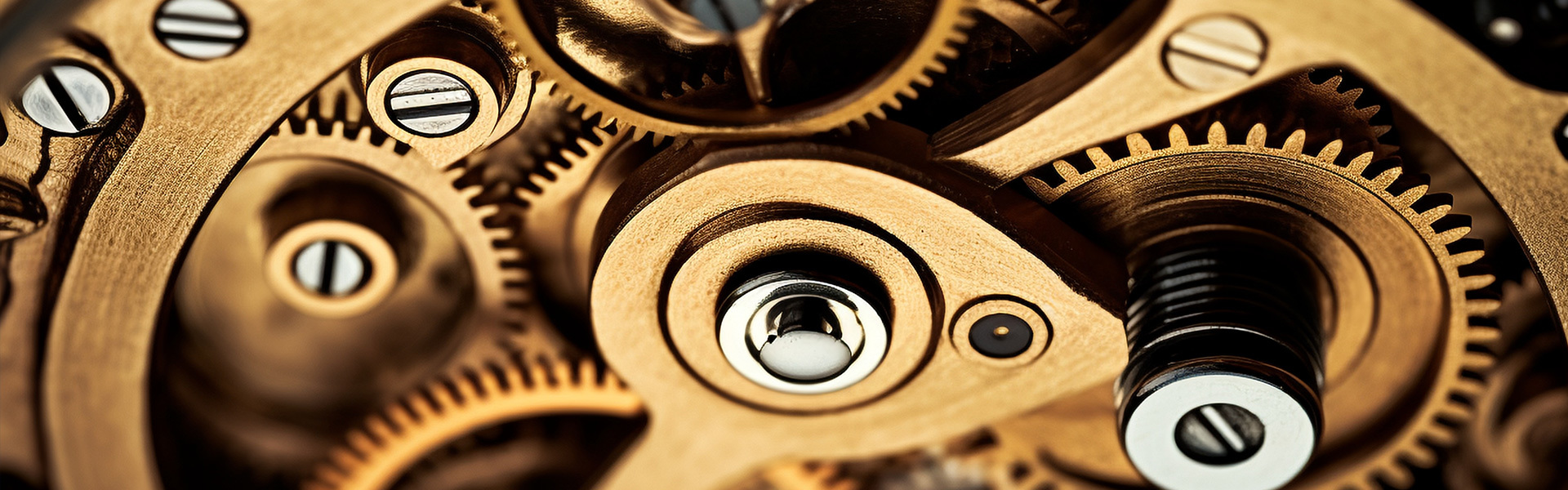
The advent of mechanical clocks in the Middle Ages marked a pivotal moment in timekeeping history. With the introduction of gears and escapements, clocks became more accurate and reliable. The first mechanical clocks were installed in church towers, allowing communities to synchronize their daily lives around the new precision of timekeeping.
Innovation in Clock Design
Innovative designs such as the escapement mechanism enabled clocks to maintain an accurate measure of time. This period saw the emergence of intricate craftsmanship in clockmaking, setting the stage for the later development of pocket watches and wristwatches.
The Birth of the Modern Watch: From Pocket to Wrist
The transition from pocket watches to wristwatches began in the late 19th and early 20th centuries. Although wristwatches were initially considered a ladies' accessory, their practicality during World War I changed public perception. Soldiers needed to keep track of time without fumbling in their pockets, leading to widespread adoption of wrist-mounted timepieces.
Advancements in Watchmaking
This period saw numerous advancements in watch technology, including the introduction of automatic (self-winding) movements. The craftsmanship involved in creating these pieces reached new heights, blending functionality with artistry. Watchmakers began to explore new materials and designs, making timepieces not only tools but also symbols of status and style.
The Role of Watches in Society: Beyond Timekeeping
Watches evolved into more than just timekeepers; they became status symbols and fashion statements. Iconic brands such as Rolex, Omega, and Patek Philippe began to dominate the luxury watch market, intertwining horology with culture and lifestyle. The craftsmanship and heritage of these brands contributed to their allure, attracting collectors and enthusiasts alike.
Cultural Significance and Collectibility
Watches often carry deep cultural significance, serving as gifts for milestones—birthdays, graduations, weddings, and retirements. Furthermore, the world of horology has fostered a thriving market for vintage and collectible watches, where enthusiasts appreciate the history and craftsmanship behind each piece.
The Rise of Quartz Watches: Precision and Accessibility
The 1970s marked the introduction of quartz technology, revolutionizing the watch industry. Quartz watches offered unparalleled accuracy and required less maintenance compared to mechanical counterparts. This innovation made timekeeping accessible to the masses, with affordable quartz watches flooding the market.
Impact on Traditional Watchmaking
The quartz crisis, as it is often referred to, profoundly impacted traditional watchmakers. Many iconic brands struggled to adapt to this new technology, leading to a significant shift in the industry. However, it also spurred innovation among luxury watchmakers, prompting them to enhance the artistry and craftsmanship of mechanical watches.
The Smartwatch Revolution: Merging Technology and Time
The emergence of smartwatches in the 21st century has further transformed the landscape of timekeeping. These multifunctional devices are equipped with advanced technology that allows users to track fitness, monitor health, and receive notifications—all from their wrist. Smartwatches are a testament to how far we have come from the sundial.
Features and Functionality of Smartwatches
Modern smartwatches integrate cutting-edge technology, offering features such as GPS tracking, heart rate monitoring, and even mobile payment capabilities. Brands like Apple, Samsung, and Fitbit have led the charge in creating user-friendly interfaces that seamlessly blend style with functionality.
The Future of Timepieces: What Lies Ahead?
As technology continues to evolve, the future of watches remains exciting. Innovations in materials, design, and connectivity will likely shape the next generation of timepieces. Concepts such as solar-powered watches and advanced health monitoring features are already making waves in the industry.
Personalization and Customization
With the rise of smart technology, personalization has become a key trend. Consumers are looking for timepieces that reflect their individual styles and preferences. Whether through customizable watch faces or interchangeable bands, the possibilities for personalization are virtually limitless.
FAQs About Watch Evolution
1. What is the oldest known timekeeping device?
The oldest known timekeeping device is the sundial, dating back to ancient Egyptian civilization around 1500 BC.
2. How did mechanical clocks change timekeeping?
Mechanical clocks introduced gears and escapements, allowing for greater accuracy and reliability in timekeeping compared to previous devices.
3. Why did wristwatches become popular?
Wristwatches gained popularity during World War I due to their practicality for soldiers, allowing them to keep track of time easily without accessing their pockets.
4. What led to the quartz watch revolution?
The introduction of quartz technology in the 1970s offered precision and convenience, making watches more accessible and affordable for the general public.
5. How do smartwatches differ from traditional watches?
Smartwatches offer advanced features like health tracking, notifications, and app integration, while traditional watches primarily focus on timekeeping and craftsmanship.
Conclusion
The evolution of watches from ancient sundials to today’s sophisticated smart timepieces reflects humanity's constant pursuit of precision, functionality, and artistry in timekeeping. Each epoch has contributed to the rich tapestry of horology, showcasing how cultural shifts and technological advancements have shaped our relationship with time. As we embrace the future, we can only anticipate more innovations that will continue to redefine the essence of what a watch represents.
Recommended News
Contact Us
Service Hotline
Add:A1, Room 1301, Block 1, Jiabang Guojin Center, No.1 South Shilong Road, Guicheng Street, Nanhai District, Foshan, China

Service Hotline
Add:A1, Room 1301, Block 1, Jiabang Guojin Center, No.1 South Shilong Road, Guicheng Street, Nanhai District, Foshan, China
Online Inquiry