
News
Loved By The People And Close To The People
The Intricate Craftsmanship of Mechanical Watches: A Deep Dive into Horological Artistry
2025-10-25

The Intricate Craftsmanship of Mechanical Watches Explained
Table of Contents
1. Understanding Mechanical Watches: A Brief Overview
2. The History of Mechanical Watchmaking
3. The Anatomy of a Mechanical Watch
3.1 The Movement: The Heart of the Watch
3.2 The Escapement: Regulating Time with Precision
3.3 The Dial: More Than Just a Face
3.4 The Case: Protecting the Inner Workings
4. The Craftsmanship Behind Mechanical Watches
4.1 Traditional Watchmaking Techniques
4.2 The Role of Modern Technology in Craftsmanship
5. The Art of Hand Finishing in Watchmaking
6. Mechanical Watch Complications: Enhancing Functionality
7. The Allure of Mechanical Watches in Today’s Market
8. Frequently Asked Questions (FAQs)
9. Conclusion: The Enduring Legacy of Mechanical Watches
1. Understanding Mechanical Watches: A Brief Overview
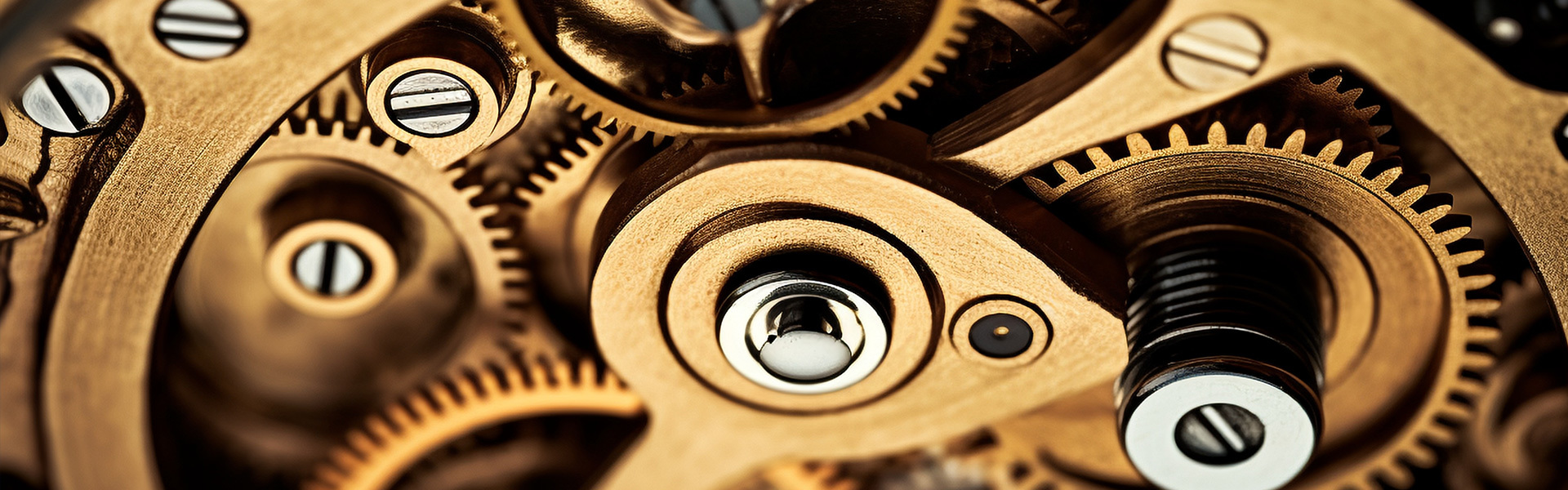
Mechanical watches are marvels of engineering that have captivated enthusiasts and collectors alike. Unlike their quartz counterparts, which rely on batteries for power, mechanical watches operate through a complex interplay of gears, springs, and levers. This intricate system not only tells time accurately but also embodies the artistry and skill of traditional watchmakers. The allure of mechanical watches lies not only in their functionality but also in the craftsmanship that goes into each unique piece.
2. The History of Mechanical Watchmaking
The journey of mechanical watches began in the 16th century, with early innovations in horology paving the way for modern timekeeping devices. Initially, watches were bulky and imprecise, primarily designed for nobility and the wealthy. As time progressed, watchmaking techniques improved, leading to the development of more compact and reliable movements. The 18th century marked a significant turning point with the introduction of the escapement mechanism, essential for maintaining accurate timekeeping.
The Swiss revolution in the 19th century brought about a golden age in watchmaking, with the emergence of renowned brands that still exist today. The meticulous craftsmanship and attention to detail became hallmarks of Swiss-made mechanical watches, elevating their status in the luxury market. This rich history continues to influence modern watchmakers who strive to combine tradition with innovation.
3. The Anatomy of a Mechanical Watch
Understanding the different components of a mechanical watch helps to appreciate its craftsmanship. Each part plays a vital role in its overall functionality, and together they create a harmonious system.
3.1 The Movement: The Heart of the Watch
At the core of every mechanical watch is its movement, often referred to as the "caliber." This intricate assembly of gears and springs is responsible for powering the watch and keeping time. There are two main types of movements: manual and automatic. Manual movements require regular winding by the wearer, while automatic movements utilize kinetic energy generated by the wearer’s wrist to wind the mainspring.
3.2 The Escapement: Regulating Time with Precision
The escapement is a critical component that regulates the release of energy from the mainspring, allowing the movement to operate at a consistent rate. It consists of two key parts: the pallet fork and the escape wheel. This mechanism ensures the watch ticks at regular intervals, providing the accuracy that mechanical watches are renowned for.
3.3 The Dial: More Than Just a Face
While the movement is essential for keeping time, the dial serves as the watch's face, displaying the time in an aesthetically pleasing manner. Dials can be simple or elaborately designed, featuring various materials and finishes. The art of creating a dial involves not just aesthetics but also functionality, as clarity and readability are paramount.
3.4 The Case: Protecting the Inner Workings
The case of a mechanical watch serves as its protective shell, safeguarding the delicate movement from external elements. Cases come in various materials, including stainless steel, gold, and titanium, each offering different levels of durability and aesthetics. A well-crafted case enhances the overall design and is often a reflection of the brand’s commitment to quality.
4. The Craftsmanship Behind Mechanical Watches
The craftsmanship involved in creating mechanical watches is a blend of traditional techniques and modern innovations. Each watch is a labor of love, requiring hundreds of hours of meticulous work from skilled artisans.
4.1 Traditional Watchmaking Techniques
Traditional watchmaking involves hand-finishing techniques that have been passed down through generations. Artisans hand-polish components, engrave intricate designs, and assemble movements with precision. These techniques not only enhance the watch's functionality but also contribute to its unique character and charm.
4.2 The Role of Modern Technology in Craftsmanship
While traditional methods remain at the heart of watchmaking, modern technology has introduced new tools and techniques that enhance precision and efficiency. CNC machining, laser engraving, and advanced materials have revolutionized the industry, allowing for greater creativity and innovation. The challenge lies in striking a balance between respecting tradition and embracing modern advancements.
5. The Art of Hand Finishing in Watchmaking
Hand finishing is an integral part of mechanical watch manufacturing, elevating the quality and aesthetic appeal of each piece. Artisans carefully polish, bevel, and engrave components by hand, ensuring that every part meets the brand’s high standards. This painstaking attention to detail sets luxury mechanical watches apart from mass-produced timepieces, making them true works of art.
The final touches often include decoration techniques such as Côtes de Genève (Geneva stripes), perlage (circular graining), and chamfering. These finishes not only improve the visual appeal but also reflect the skill and dedication of the watchmaker.
6. Mechanical Watch Complications: Enhancing Functionality
Complications are additional features in mechanical watches that extend beyond basic timekeeping. They enhance the functionality and complexity of the watch, often making it a collector's item. Common complications include chronographs, perpetual calendars, moon phases, and tourbillons.
Each complication requires intricate engineering and expertise, showcasing the watchmaker's skill. These features not only provide practical benefits but also contribute to the watch's story and value, making them highly sought after in the luxury market.
7. The Allure of Mechanical Watches in Today’s Market
Despite the rise of digital technology, mechanical watches continue to captivate watch enthusiasts and collectors. Their allure lies in their craftsmanship, history, and the emotional connection they create with their wearers. Mechanical watches are often viewed as investments, appreciated for their artistry and potential to appreciate in value over time.
In recent years, the resurgence of interest in vintage and artisanal watches has further fueled the market. Consumers are increasingly drawn to unique pieces that tell a story, reflecting their personal style and values. This trend has led to a growing appreciation for independent watchmakers who prioritize craftsmanship and originality over mass production.
8. Frequently Asked Questions (FAQs)
What is a mechanical watch?
A mechanical watch is a timepiece powered by a complex system of gears and springs, rather than a battery. It can be either manually wound or automatic, relying on the wearer's movement to keep time.
How often do you need to wind a manual mechanical watch?
A manual mechanical watch typically needs to be wound every day or two, depending on its power reserve. This ensures that the mainspring remains fully wound for accurate timekeeping.
What are watch complications?
Watch complications are additional functions beyond basic timekeeping, such as chronographs, calendars, and moon phase indicators. They enhance the functionality and complexity of a watch.
Why are mechanical watches more expensive than quartz watches?
Mechanical watches are generally more expensive due to the intricate craftsmanship, time-consuming assembly, and the use of high-quality materials. Their artistry and heritage contribute significantly to their value.
How do I choose the right mechanical watch for me?
Choosing the right mechanical watch involves considering your personal style, budget, and preferred features. Look for a watch that resonates with you in terms of design, craftsmanship, and functionality.
9. Conclusion: The Enduring Legacy of Mechanical Watches
The intricate craftsmanship of mechanical watches represents a harmonious blend of art, engineering, and tradition. Their enduring popularity is a testament to the dedication of skilled artisans who continue to push the boundaries of horological excellence. As we explore this captivating world, we gain a deeper appreciation for the craftsmanship that defines each timepiece, elevating mechanical watches to symbols of sophistication and timeless elegance. Embracing both innovation and tradition, mechanical watches will undoubtedly continue to captivate future generations of collectors and enthusiasts alike.
Recommended News
Contact Us
Service Hotline
Add:A1, Room 1301, Block 1, Jiabang Guojin Center, No.1 South Shilong Road, Guicheng Street, Nanhai District, Foshan, China

Service Hotline
Add:A1, Room 1301, Block 1, Jiabang Guojin Center, No.1 South Shilong Road, Guicheng Street, Nanhai District, Foshan, China
Online Inquiry