
News
Loved By The People And Close To The People
The Art Behind Automatic Mechanical Watch Movement: A Deep Dive
2025-10-15

The Art Behind Automatic Mechanical Watch Movement: A Deep Dive
Table of Contents
1. Understanding Automatic Mechanical Watches
2. The History of Watchmaking: A Journey Through Time
3. Key Components of Automatic Mechanical Movements
3.1 The Escapement: The Heartbeat of Timekeeping
3.2 The Balance Wheel: Regulating Movement
3.3 The Rotor: Harnessing Energy
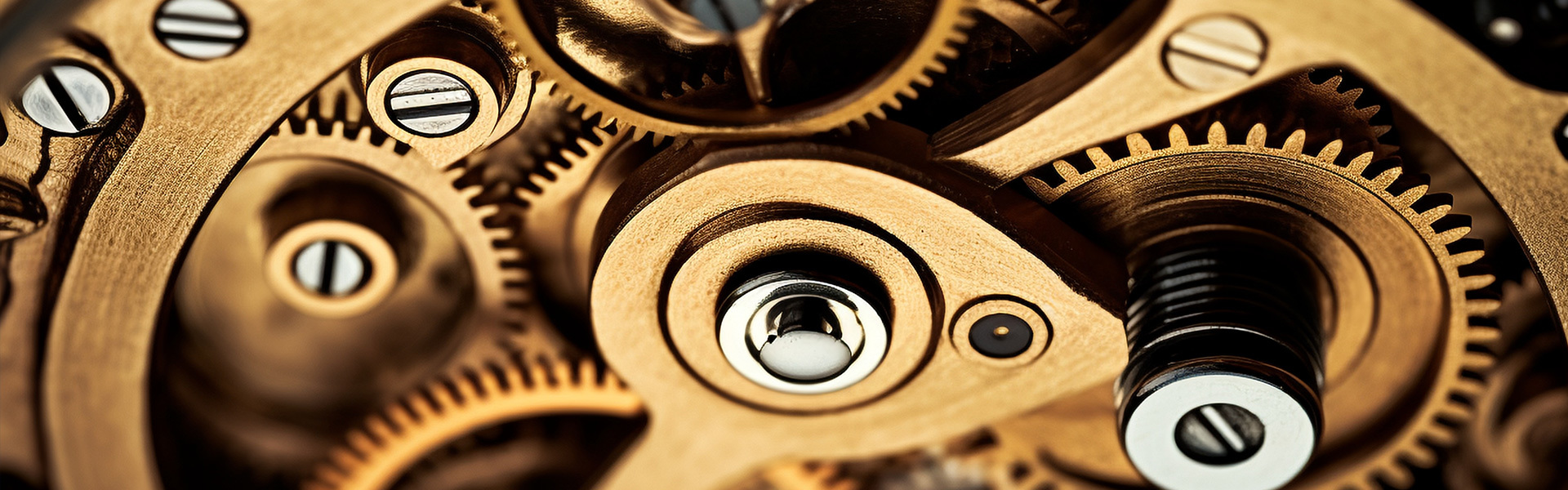
3.4 The Gear Train: Transmitting Power
4. The Craftsmanship Behind Watchmaking
4.1 Hand Assembly: The Artisan’s Touch
4.2 Finishing Techniques: Aesthetic and Functional
5. Why Choose an Automatic Mechanical Watch?
6. Maintenance and Care for Automatic Timepieces
7. The Future of Automatic Mechanical Watches
8. Frequently Asked Questions (FAQs)
9. Conclusion: The Enduring Appeal of Automatic Mechanical Watches
1. Understanding Automatic Mechanical Watches
Automatic mechanical watches represent a magnificent fusion of art, engineering, and tradition. Unlike quartz watches, which rely on batteries for power, automatic mechanical watches harness the energy generated by the wearer’s wrist movements. This self-winding mechanism eliminates the need for batteries, making these timepieces not only environmentally friendly but also a testament to the skill of watchmakers.
Every automatic mechanical watch is a small marvel of engineering, comprising numerous intricately designed components that work harmoniously to measure the passage of time with incredible accuracy.
2. The History of Watchmaking: A Journey Through Time
The roots of watchmaking can be traced back to the 16th century, with the advent of portable timekeeping devices. Early watches were typically crafted as ornamental pieces, predominantly for nobility. As the demand for accuracy grew, advancements in technology led to the development of more precise mechanisms.
In the 18th century, the advent of the balance spring revolutionized timekeeping, laying the foundation for mechanical watches as we know them today. The 19th century saw the rise of mass production techniques, allowing watches to become more accessible to the general public.
The introduction of the automatic movement in the early 20th century marked a significant milestone in watchmaking history. Pioneers like Abraham-Louis Breguet and John Harwood contributed significantly to this innovation, shaping how we perceive and appreciate timepieces today.
3. Key Components of Automatic Mechanical Movements
The brilliance of automatic watches lies in their intricate components, each serving a unique purpose. Understanding these parts is essential to appreciating the artistry behind them.
3.1 The Escapement: The Heartbeat of Timekeeping
The escapement is the mechanism that transfers energy from the mainspring to the gear train, allowing the watch to advance at a consistent rate. It acts as a regulator, releasing energy in controlled increments, akin to a heartbeat. This component is vital for maintaining the accuracy of the watch.
3.2 The Balance Wheel: Regulating Movement
The balance wheel oscillates back and forth, working in conjunction with the escapement to regulate the watch’s timekeeping. This tiny wheel is finely tuned and is one of the most critical components that ensures the watch remains precise.
3.3 The Rotor: Harnessing Energy
The rotor is a semi-circular piece of metal that spins as the wearer moves their wrist. This movement winds the mainspring, storing energy that powers the watch. The rotor’s design can vary greatly between different watch brands, with some using intricate designs to showcase their craftsmanship.
3.4 The Gear Train: Transmitting Power
The gear train consists of a series of interconnected gears that transmit energy from the mainspring to the escapement and, ultimately, to the hands of the watch. The precision of the gear train directly affects the watch's accuracy and reliability.
4. The Craftsmanship Behind Watchmaking
The art of watchmaking is as much about precision as it is about craftsmanship. Each automatic mechanical watch is a product of meticulous labor and dedication.
4.1 Hand Assembly: The Artisan’s Touch
Many luxury watch brands utilize hand assembly in their production process, ensuring that each component is painstakingly fitted and adjusted by skilled artisans. This personal touch not only enhances the quality of the watch but also imbues each piece with a unique character.
4.2 Finishing Techniques: Aesthetic and Functional
Watchmakers employ various finishing techniques to enhance both the beauty and function of their timepieces. Techniques such as polishing, brushing, and engraving transform raw materials into visually stunning components, showcasing the craftsmanship involved in each watch.
5. Why Choose an Automatic Mechanical Watch?
Choosing an automatic mechanical watch is not just about telling time; it is an investment in craftsmanship, heritage, and style. Here are several reasons why enthusiasts and collectors alike opt for these timepieces:
1. **Sustainability**: Automatic watches do not require batteries, making them an eco-friendly choice.
2. **Longevity**: With proper care, these watches can last a lifetime and often increase in value over time.
3. **Artistic Expression**: Each automatic watch reflects the unique style of its maker, often featuring intricate designs and craftsmanship.
4. **Connection to Tradition**: Wearing a mechanical watch connects the wearer to the rich history and tradition of watchmaking.
6. Maintenance and Care for Automatic Timepieces
To ensure the longevity and optimal performance of an automatic mechanical watch, regular maintenance is essential. Here are some tips to keep your timepiece in pristine condition:
- **Regular Winding**: If not worn regularly, manually winding the watch can help maintain its functionality.
- **Service Intervals**: Professional servicing every 3 to 5 years is recommended to clean and lubricate the movement.
- **Avoiding Shock**: While designed to be durable, automatic watches should be handled with care to avoid damage from sudden impacts.
- **Water Resistance**: Always check the water resistance of your watch and ensure the crown is securely closed before exposure to water.
7. The Future of Automatic Mechanical Watches
As technology continues to evolve, the future of automatic mechanical watches remains a topic of interest among enthusiasts. While smartwatches have gained popularity, the allure of traditional timepieces persists. Several trends are shaping the future of mechanical watches:
- **Innovative Materials**: The use of advanced materials, such as ceramics and carbon composites, is becoming more common, enhancing durability and aesthetics.
- **Sustainable Practices**: More brands are adopting sustainable practices in watchmaking, appealing to environmentally-conscious consumers.
- **Customization**: Personalized and customizable watches are on the rise, allowing consumers to express their individuality through their timepieces.
8. Frequently Asked Questions (FAQs)
Q1: What is the difference between quartz and automatic watches?
A: Quartz watches use a battery for power, while automatic watches are powered by the movement of the wearer’s wrist, utilizing mechanical components.
Q2: How often should I service my automatic watch?
A: It is recommended to service your automatic watch every 3 to 5 years to ensure its accuracy and longevity.
Q3: Can I wear my automatic watch while swimming?
A: It depends on the water resistance rating of the watch. Always check the manufacturer's specifications before exposing it to water.
Q4: How do I wind my automatic watch?
A: You can manually wind your automatic watch by turning the crown in a clockwise direction. This is especially important if the watch has not been worn for a while.
Q5: What factors affect the accuracy of an automatic watch?
A: Several factors can influence accuracy, including temperature, position (horizontal vs. vertical), and the overall condition of the movement.
9. Conclusion: The Enduring Appeal of Automatic Mechanical Watches
The art of automatic mechanical watch movement is a testament to human ingenuity and craftsmanship. These timepieces encapsulate a rich history while evolving with modern trends, making them timeless symbols of elegance and precision. As we continue to appreciate the beauty and complexity of mechanical watches, we find ourselves part of a tradition that celebrates the art of timekeeping. Whether as a collector’s item or a personal accessory, an automatic mechanical watch remains a profound expression of artistry and a reliable companion for navigating life’s moments.
Recommended News
Contact Us
Service Hotline
Add:A1, Room 1301, Block 1, Jiabang Guojin Center, No.1 South Shilong Road, Guicheng Street, Nanhai District, Foshan, China

Service Hotline
Add:A1, Room 1301, Block 1, Jiabang Guojin Center, No.1 South Shilong Road, Guicheng Street, Nanhai District, Foshan, China
Online Inquiry