
News
Loved By The People And Close To The People
Discover the Artisan Skill Behind Self-Luminous Automatic Watches
2025-08-31

Discover the Artisan Skill Behind Self-Luminous Automatic Watches
Table of Contents
1. Understanding Automatic Watches
2. The Fascinating World of Self-Luminous Technology
3. The Art of Craftsmanship in Watchmaking
4. The Components of a Self-Luminous Automatic Watch
5. How Self-Luminous Technology Enhances Functionality
6. The History and Evolution of Self-Luminous Watches
7. Choosing the Right Self-Luminous Automatic Watch for You
8. Frequently Asked Questions (FAQs)
9. Conclusion
1. Understanding Automatic Watches
Automatic watches, often referred to as self-winding watches, are marvels of engineering that have captivated horology enthusiasts for generations. These timepieces operate on the principle of kinetic energy, converting the natural motion of the wearer's wrist into power. Unlike traditional quartz watches powered by batteries, automatic watches incorporate intricate mechanical movements, reflecting a deep-rooted passion for craftsmanship.
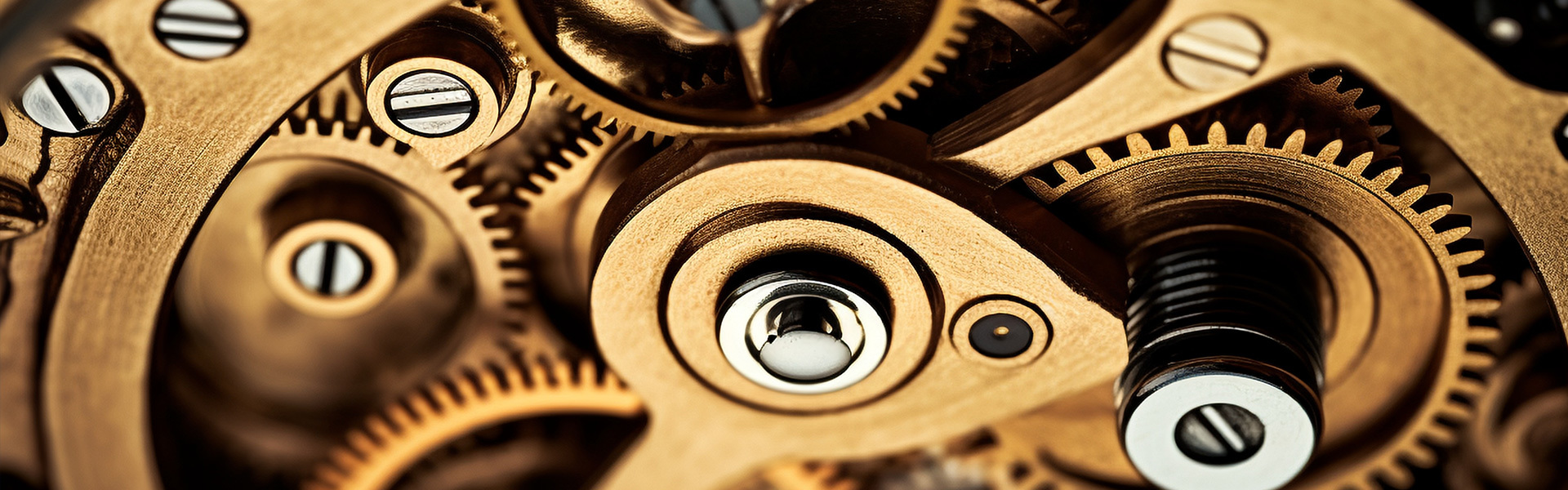
The heart of an automatic watch is its movement, typically composed of various gears, springs, and levers. As the wearer moves, a rotor—a semi-circular weight—swings freely, winding the mainspring and storing kinetic energy. This energy is released gradually, allowing the watch to keep precise time. The craftsmanship involved in creating such intricate movements is nothing short of extraordinary, showcasing the dedication and skill of master watchmakers.
2. The Fascinating World of Self-Luminous Technology
Self-luminous technology has revolutionized the watch industry, allowing wearers to read the time in low-light conditions without the need for external light sources. This technology primarily utilizes luminescent materials, typically tritium or luminescent pigments, which glow in the dark after being exposed to light.
Tritium, a radioactive isotope of hydrogen, is often used in watchmaking because of its longevity and brightness. Unlike traditional luminescent materials that fade over time, tritium can provide a consistent glow for several years, making it a preferred choice for luxury watches. This self-luminous feature not only enhances functionality but also adds an aesthetic appeal, making the watch a captivating accessory.
3. The Art of Craftsmanship in Watchmaking
The craftsmanship behind self-luminous automatic watches is a blend of artistry, engineering, and tradition. Each watch is a testament to the meticulous attention to detail that skilled artisans pour into their work. From the design process to the final assembly, every step requires precision and expertise.
Master watchmakers undergo years of training to perfect their craft, learning to assemble movements, polish cases, and create intricate dials. The combination of traditional techniques and modern technology allows for innovations in both design and functionality. For example, the integration of self-luminous materials requires careful consideration of how they interact with the watch's movement and aesthetics.
4. The Components of a Self-Luminous Automatic Watch
To fully appreciate the craftsmanship behind self-luminous automatic watches, it is essential to understand their components:
4.1 The Movement
The movement is the soul of the watch. In self-luminous automatic watches, it contains several key parts, including the mainspring, escapement, and balance wheel. Each component plays a critical role in ensuring accurate timekeeping.
4.2 The Dial
The dial is not just a face; it is a canvas for creativity. Artisans carefully design the dial, integrating luminescent markers or hands that glow in the dark. The choice of colors, textures, and finishes can make each watch unique.
4.3 The Case
The case protects the delicate movement inside and contributes to the overall aesthetic. Crafted from materials like stainless steel, gold, or ceramic, the case must balance durability with elegance.
4.4 The Crystal
A watch crystal made of sapphire or mineral glass provides clarity and resistance to scratches. The quality of the crystal can significantly affect the visibility of the dial, especially in low light.
5. How Self-Luminous Technology Enhances Functionality
Self-luminous technology serves multiple purposes, enhancing both the practicality and visual appeal of automatic watches. The ability to read the time in darkness is invaluable for those who lead active lifestyles or work in environments with limited lighting.
Moreover, the glow of luminescent markers can add an element of sophistication and style, making these watches not just functional tools but also fashion statements. The interplay of light and shadow on a well-crafted watch dial creates a captivating visual experience that draws attention.
6. The History and Evolution of Self-Luminous Watches
The journey of self-luminous watches dates back to the early 20th century when radium was first used to create glowing watch dials. Initially, the glow was achieved using radium-based paint, which, while effective, posed significant health risks due to its radioactive properties.
As watchmakers became aware of these dangers, they transitioned to safer alternatives. Tritium emerged as a popular choice, offering a bright and long-lasting glow without the associated health risks. Over the decades, the technology has continued to evolve, with innovations in luminescent materials and watch movements.
Today, self-luminous automatic watches are celebrated for their reliability, style, and technological advancements, making them highly sought after by collectors and enthusiasts alike.
7. Choosing the Right Self-Luminous Automatic Watch for You
Selecting the perfect self-luminous automatic watch involves considering several factors:
7.1 Style and Design
Identify the watch style that suits your personality—whether it's sporty, classic, or contemporary. The design should resonate with your aesthetic preferences and lifestyle.
7.2 Brand Reputation
Choose brands known for their craftsmanship and quality. Established watchmakers often guarantee reliability and longevity in their products.
7.3 Features
Consider additional features such as water resistance, complications (e.g., chronographs, date displays), and the type of luminescent materials used.
7.4 Budget
Establish a budget that aligns with your expectations. Self-luminous automatic watches range widely in price, so it’s essential to find one that offers the best value for your investment.
8. Frequently Asked Questions (FAQs)
8.1 What is the difference between automatic and manual watches?
Automatic watches wind themselves through the movement of the wearer, while manual watches require manual winding to function.
8.2 How long do self-luminous materials last?
Self-luminous materials like tritium can last up to 25 years without significant fading, providing long-lasting visibility in low light.
8.3 Are self-luminous watches safe to wear?
Yes, modern self-luminous watches use safe materials that pose no health risks to wearers.
8.4 How should I care for my automatic watch?
Regular servicing every few years is recommended to ensure optimal performance. Additionally, store the watch in a cool, dry place when not in use.
8.5 Can self-luminous watches be repaired?
Yes, reputable watchmakers can repair and service self-luminous automatic watches, ensuring they continue to perform accurately.
9. Conclusion
The craftsmanship behind self-luminous automatic watches is a fusion of tradition, innovation, and artistry. These timepieces embody the spirit of horology, offering not only functionality but also a statement of style and sophistication. Understanding the intricate components and technology involved in their creation enhances appreciation for these remarkable devices. As you explore the world of self-luminous automatic watches, consider the craftsmanship, history, and features that set them apart, ultimately guiding you to the perfect timepiece for your collection.
Recommended News
Contact Us
Service Hotline
Add:A1, Room 1301, Block 1, Jiabang Guojin Center, No.1 South Shilong Road, Guicheng Street, Nanhai District, Foshan, China

Service Hotline
Add:A1, Room 1301, Block 1, Jiabang Guojin Center, No.1 South Shilong Road, Guicheng Street, Nanhai District, Foshan, China
Online Inquiry