
News
Loved By The People And Close To The People
Why Mechanical Watches Are Timeless Treasures: A Deep Dive into Craftsmanship and Elegance
2025-05-19

Why Mechanical Watches Are Timeless Treasures
Table of Contents
- 1. Introduction: The Allure of Mechanical Watches
- 2. A Brief History of Mechanical Watches
- 3. The Art and Craft of Mechanical Watchmaking
- 4. Innovations in Mechanical Watch Technology
- 5. The Value Proposition: Why They Are Worth the Investment
- 6. The Collectibility of Mechanical Watches
- 7. The Emotional Connection: More Than Just Timepieces
- 8. Caring for Your Mechanical Watch: Tips for Longevity
- 9. Conclusion: Embracing the Timeless Charm of Mechanical Watches
- 10. FAQs: Everything You Need to Know About Mechanical Watches
1. Introduction: The Allure of Mechanical Watches
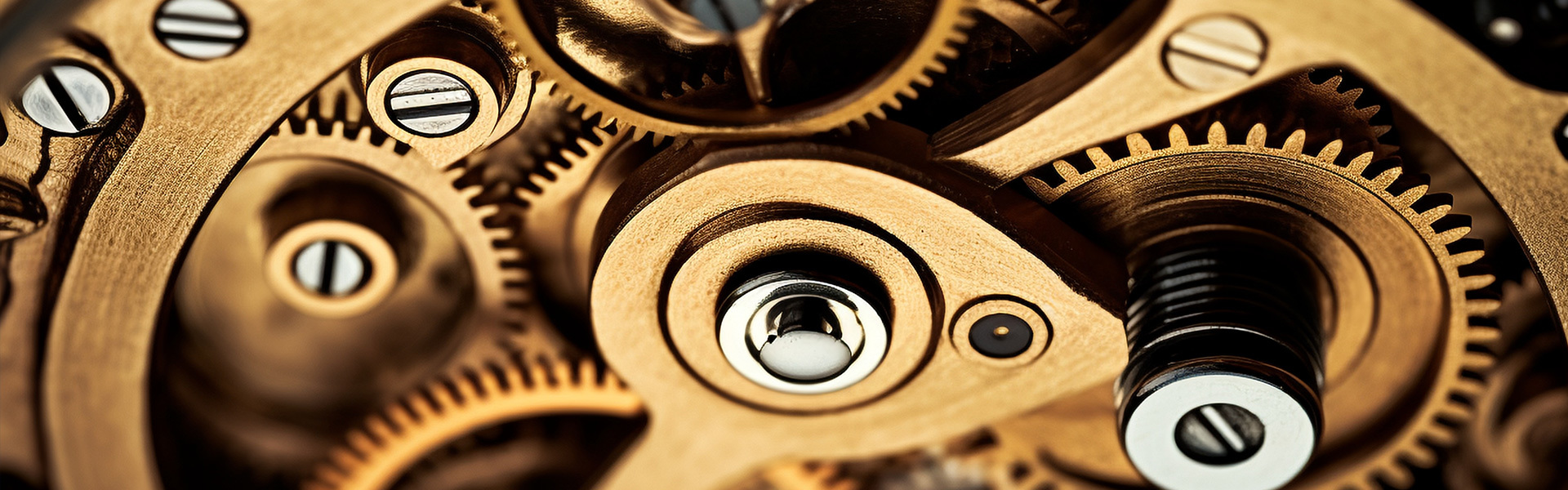
In a world dominated by digital technology, mechanical watches continue to enchant enthusiasts and collectors alike. These intricate timepieces symbolize **precision**, **craftsmanship**, and **heritage**. Unlike their quartz counterparts, mechanical watches operate through a complex interplay of gears, springs, and escapements, creating a mesmerizing dance of engineering that is as much art as it is science.
As we journey through the history and intricacies of mechanical watches, we will uncover their timeless appeal and why they are cherished as **treasures** in the realm of horology.
2. A Brief History of Mechanical Watches
The origins of mechanical watches can be traced back to the 16th century, with the advent of spring-driven mechanisms. Early timepieces were primarily used as **status symbols** by the wealthy elite, showcasing the craftsmanship of skilled artisans.
The Birth of the Timepiece
The first mechanical watches were pocket-sized and featured elaborate engravings and designs. The introduction of the mainspring revolutionized timekeeping, allowing for more compact designs. By the late 17th century, watchmakers had begun to master the art of **miniaturization**, leading to the creation of wristwatches in the early 20th century.
The Golden Age of Mechanical Watches
The 20th century marked a golden age for mechanical watches, with brands like Rolex, Patek Philippe, and Omega becoming synonymous with luxury and precision. Innovations such as automatic winding mechanisms and chronographs transformed the functionality and appeal of these timepieces.
3. The Art and Craft of Mechanical Watchmaking
Mechanical watchmaking is often regarded as a labor of love. The creation of a mechanical watch involves a meticulous process, requiring hundreds of components to be assembled with precision and care.
The Components of a Mechanical Watch
At the heart of every mechanical watch lies the movement, comprising elements such as the escapement, balance wheel, and mainspring. Each component plays a crucial role in the watch's functionality and accuracy. Skilled watchmakers handcraft these parts, often spending hours ensuring that every piece fits perfectly.
Handcrafted vs. Mass Production
While many modern watches are produced through mass manufacturing processes, luxury mechanical watches retain the charm of handcrafting. This artisanal approach ensures that each watch is unique, bearing the marks of the watchmaker's skill and dedication.
4. Innovations in Mechanical Watch Technology
Despite their traditional roots, mechanical watches have not shied away from innovation. Brands continue to push the boundaries of what is possible, integrating advanced materials and technologies into their designs.
Modern Materials and Techniques
The use of lightweight alloys, synthetic sapphire crystals, and ceramic has transformed the durability and aesthetics of mechanical watches. Additionally, advancements in lubrication and movement design have improved accuracy and reliability.
Smart Features in Mechanical Watches
Some manufacturers have introduced smart features into mechanical watches without compromising their traditional essence. These hybrid timepieces offer connectivity and functionality while preserving the charm of mechanical movements.
5. The Value Proposition: Why They Are Worth the Investment
Investing in a mechanical watch can be a rewarding experience. Unlike most consumer goods that depreciate over time, high-quality mechanical watches often appreciate in value.
The Investment Potential
Certain brands and models have established themselves as **investment-grade** timepieces. Limited editions and rare models can command significant prices in secondary markets, making them not only a statement of style but also a smart financial investment.
The Power of Brand Heritage
The history and reputation of a watch brand significantly influence its value. Renowned brands with a legacy of excellence often enjoy a loyal following, further driving demand and value for their timepieces.
6. The Collectibility of Mechanical Watches
Collecting mechanical watches is a passion for many, with enthusiasts seeking out unique models and vintage pieces. The thrill of the hunt and the satisfaction of building a collection can be immensely rewarding.
Understanding the Collector’s Market
The collector's market for mechanical watches is diverse, encompassing everything from vintage military watches to modern limited editions. Knowledge of trends, brand history, and market dynamics is crucial for successful collecting.
Join a Community of Enthusiasts
Many collectors find camaraderie in watch clubs and online forums, where they share insights, trade pieces, and discuss the nuances of horology. This sense of community adds to the joy of collecting and enhances the overall experience.
7. The Emotional Connection: More Than Just Timepieces
Mechanical watches often carry sentimental value, serving as heirlooms passed down through generations. They become a part of personal stories and milestones.
Celebrating Life’s Moments
Wearing a mechanical watch can be a daily reminder of significant life events, such as graduations, weddings, or promotions. The connection between a person and their watch can transcend mere functionality, embodying cherished memories.
A Reflection of Personal Style
A mechanical watch is often a reflection of one’s personality and taste. Whether it be a classic dress watch or a bold sporty design, these timepieces allow individuals to express themselves uniquely.
8. Caring for Your Mechanical Watch: Tips for Longevity
Proper maintenance is essential for ensuring the longevity and performance of your mechanical watch. Here are some tips to keep your timepiece running smoothly.
Regular Servicing
Like any intricate machine, mechanical watches require regular servicing to maintain accuracy and prevent wear. It is advisable to have your watch serviced every three to five years by a professional watchmaker.
Storage and Handling
Storing your mechanical watch in a suitable environment is crucial. Avoid exposing it to extreme temperatures, humidity, or magnetic fields. Using a watch box or winder can help preserve its condition.
9. Conclusion: Embracing the Timeless Charm of Mechanical Watches
Mechanical watches are more than just instruments for telling time; they are masterpieces of engineering, artistry, and tradition. Their enduring appeal lies in their craftsmanship, historical significance, and emotional connections. As we continue to navigate a rapidly changing world, the charm of mechanical watches remains unchanged, reminding us of the beauty of timepieces that are, quite literally, crafted to last.
10. FAQs: Everything You Need to Know About Mechanical Watches
1. What is a mechanical watch?
A mechanical watch is a timepiece that operates through a complex system of gears and springs, rather than relying on a battery.
2. How often should I service my mechanical watch?
It is recommended to service your mechanical watch every three to five years to ensure its accuracy and longevity.
3. Are mechanical watches a good investment?
Yes, high-quality mechanical watches often appreciate in value over time, making them a worthwhile investment for collectors and enthusiasts.
4. What is the difference between automatic and manual mechanical watches?
Automatic watches wind themselves through the motion of the wearer's wrist, while manual watches require the wearer to wind them by hand.
5. How should I store my mechanical watch when not in use?
Store your mechanical watch in a cool, dry place away from direct sunlight, and consider using a watch box or winder to maintain its condition.
By exploring the intricate world of mechanical watches, we gain a deeper appreciation for these timeless treasures and their place in our lives. As you consider adding a mechanical watch to your collection, remember that you are investing in a piece of history that will be cherished for generations to come.
Recommended News
Contact Us
Service Hotline
Add:A1, Room 1301, Block 1, Jiabang Guojin Center, No.1 South Shilong Road, Guicheng Street, Nanhai District, Foshan, China

Service Hotline
Add:A1, Room 1301, Block 1, Jiabang Guojin Center, No.1 South Shilong Road, Guicheng Street, Nanhai District, Foshan, China
Online Inquiry