
News
Loved By The People And Close To The People
Why Automatic Mechanical Watch Movement Is a Craftsmanship Marvel
2025-05-09

Why Automatic Mechanical Watch Movement Is a Craftsmanship Marvel
Table of Contents
- 1. Introduction to Automatic Mechanical Watches
- 2. What is an Automatic Mechanical Watch?
- 3. The History of Watchmaking: From Pocket Watches to Automatic Timepieces
- 4. How Do Automatic Mechanical Movements Work?
- 5. The Art of Craftsmanship in Automatic Watches
- 6. Key Components of an Automatic Watch Movement
- 7. The Benefits of Choosing Automatic Mechanical Watches
- 8. Caring for Your Automatic Mechanical Watch
- 9. Conclusion
- 10. FAQs
1. Introduction to Automatic Mechanical Watches
In the world of horology, few creations rival the elegance and functionality of the **automatic mechanical watch**. It is not merely a tool for telling time; it is a celebration of **artistry** and **engineering** that reflects centuries of craftsmanship. Automatic watches stand out for their ability to harness the energy generated by the wearer’s movements, eliminating the need for batteries and offering a connection between the watch and its owner.
In this article, we will delve into the fascinating world of automatic mechanical watch movements, uncovering why they are considered a marvel of craftsmanship. From their historical roots to their intricate mechanics, we will explore every aspect that makes these timepieces treasured possessions for enthusiasts and collectors alike.
2. What is an Automatic Mechanical Watch?
An **automatic mechanical watch** is a timepiece that is powered by the movement of the wearer’s wrist. Unlike quartz watches, which rely on battery power, automatic watches use a series of gears and springs to maintain accurate time. The heart of this type of watch is the **movement**, which refers to the mechanism that drives the watch's hands and functions.
These watches are designed with a rotor—a semi-circular weight that rotates with the motion of the wrist. As the rotor turns, it winds the mainspring, storing energy that powers the watch. This ingenious design not only showcases outstanding engineering but also provides a sustainable option for watch enthusiasts who appreciate traditional craftsmanship.
3. The History of Watchmaking: From Pocket Watches to Automatic Timepieces
The journey of watchmaking dates back to the 15th century when the first mechanical clocks were created in Europe. Initially, watches were large, cumbersome devices worn as pendants or carried in pockets. It wasn’t until the 17th century that the concept of portable timepieces began to take shape.
The introduction of the **balance spring** in the early 1600s greatly improved the accuracy of watches, leading to the creation of the first truly portable timekeepers. By the mid-20th century, Swiss watchmakers had perfected the automatic movement, allowing for the production of stylish and reliable watches that could wind themselves with minimal user intervention.
Today, automatic mechanical watches are celebrated not only for their functionality but also for their aesthetic appeal and the meticulous craftsmanship that goes into each piece.
4. How Do Automatic Mechanical Movements Work?
Understanding the workings of an automatic mechanical movement requires a closer look at its components and their interactions. At the core of an automatic watch are several key parts:
The Rotor
The rotor is the heart of the automatic movement. It is connected to the mainspring and swings on a pivot as the wearer moves their wrist. This swinging action winds the mainspring, storing energy that powers the watch.
The Mainspring
The mainspring is a tightly wound coil of metal that stores energy. When the mainspring unwinds, it releases energy to drive the gears of the movement, allowing the watch to function.
The Gear Train
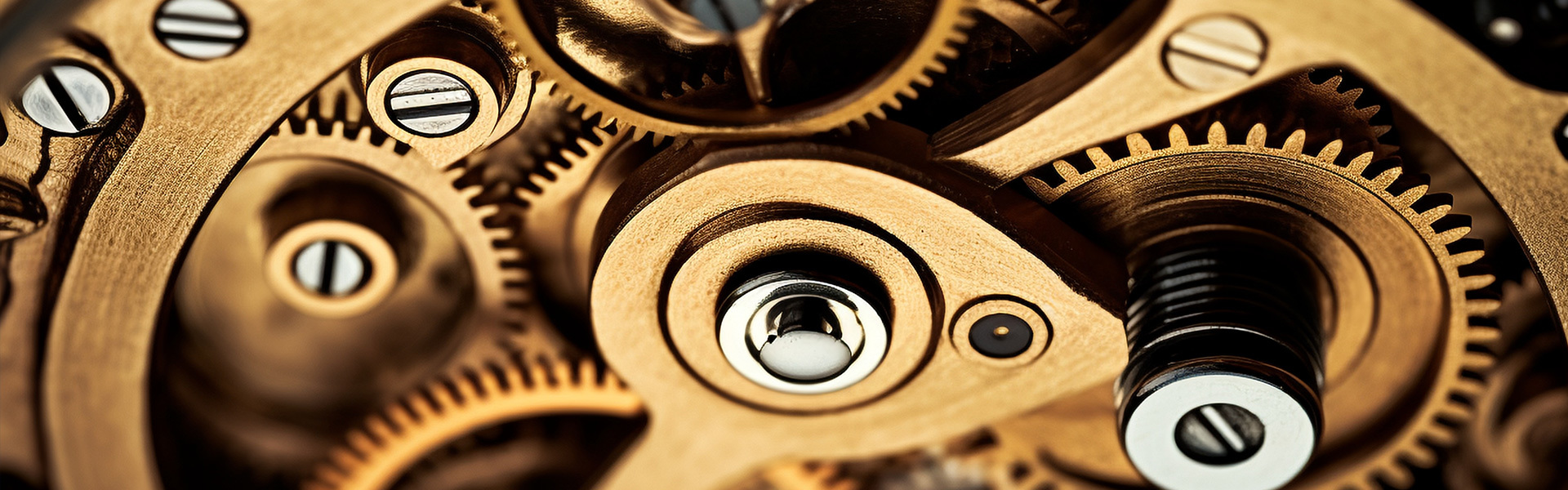
The gear train consists of a series of gears that transmit energy from the mainspring to the escapement. This system is crucial for maintaining accurate timekeeping by controlling the release of energy.
The Escapement
The escapement is responsible for regulating the movement of the gears. It releases a fixed amount of energy with each tick, allowing the watch to keep time accurately.
The Balance Wheel
The balance wheel oscillates back and forth at a steady rate, ensuring that the watch maintains accurate time. The frequency of its oscillation determines the watch's timekeeping precision.
Together, these components create a beautifully synchronized system that allows automatic watches to function without the need for batteries, showcasing the ingenuity of watchmaking craftsmanship.
5. The Art of Craftsmanship in Automatic Watches
Craftsmanship in automatic watches is an art form that combines technical skill with creativity. Each piece is meticulously assembled by skilled artisans, often requiring hundreds of individual components to come together seamlessly.
Watchmakers spend years honing their craft, learning to interpret the intricate designs that define luxury timepieces. This dedication to detail ensures that every watch not only tells time but also radiates elegance and sophistication.
Luxury brands often showcase their craftsmanship through unique design elements, such as intricate engravings, high-quality materials, and innovative complications—features that elevate automatic watches to works of art.
6. Key Components of an Automatic Watch Movement
To appreciate the artistry behind automatic watches, it is essential to understand the key components that contribute to their function and design:
The Case
The case protects the internal movement and is crafted from materials like stainless steel, gold, or titanium. A well-designed case not only provides durability but also enhances the watch’s visual appeal.
The Dial
The dial is the face of the watch and displays the time, often adorned with markers and hands. It can feature various designs, from minimalist styles to intricate patterns, reflecting the watchmaker's aesthetic vision.
The Crystal
The crystal covers the dial and protects it from scratches and damage. Common materials include sapphire crystal, which is prized for its durability and clarity.
The Strap or Bracelet
The strap or bracelet is crucial for comfort and style. It can be made from leather, metal, rubber, or fabric, offering wearers a choice based on personal preference and lifestyle.
Each of these components plays a vital role in the overall functionality and aesthetic of the watch, contributing to its status as a craftsmanship marvel.
7. The Benefits of Choosing Automatic Mechanical Watches
Choosing an automatic mechanical watch comes with a multitude of advantages:
1. No Battery Replacement
Automatic watches are self-winding, which means they do not require battery replacements. This convenience appeals to those who appreciate low-maintenance timepieces.
2. Longevity and Durability
With proper care, automatic watches can last for generations. Their mechanical nature and high-quality materials contribute to their durability, making them a sound investment.
3. Craftsmanship and Aesthetic Appeal
Wearing an automatic watch is like owning a piece of art. The intricate designs and craftsmanship involved in creating these watches make them unique and desirable.
4. Connection to Tradition
For many watch enthusiasts, owning an automatic watch is about connecting with a rich history of craftsmanship. These watches embody the heritage of horology and the dedication of master watchmakers.
8. Caring for Your Automatic Mechanical Watch
To ensure your automatic watch remains in optimal condition, follow these care tips:
Regular Winding
If you don’t wear your automatic watch daily, consider winding it manually to keep the lubricants inside the movement evenly distributed.
Service Intervals
Regular servicing by a qualified watchmaker is essential to maintain accuracy and functionality. It is recommended every 3-5 years, depending on usage.
Cleaning
Keep your watch clean by using a soft cloth to remove dirt and sweat. Avoid exposing it to harsh chemicals that could damage the case or strap.
Water Resistance
Be mindful of the watch’s water resistance rating. If your watch is designed for swimming or diving, ensure the crown is properly secured to prevent water damage.
By adhering to these care guidelines, you can enjoy the beauty and functionality of your automatic mechanical watch for years to come.
9. Conclusion
Automatic mechanical watch movements represent the perfect blend of artistry and engineering. They are more than just timepieces; they embody a rich tradition of craftsmanship that has evolved over centuries. Each component, from the rotor to the balance wheel, works in harmony to create a marvel of horological ingenuity.
Whether you are a seasoned collector or a newcomer to the world of watches, an automatic watch is a timeless investment that offers beauty, functionality, and a connection to the history of watchmaking. By choosing an automatic mechanical watch, you not only acquire a tool for measuring time but also a piece of art that tells a story and celebrates the remarkable skill of watchmakers.
10. FAQs
1. What is the difference between quartz and automatic watches?
Quartz watches are powered by batteries, while automatic watches rely on mechanical movements powered by the wearer's motion.
2. How do I know if my automatic watch is fully wound?
A fully wound automatic watch will have the hands moving smoothly without any stuttering or stopping.
3. Can I wear my automatic watch while swimming?
It depends on the watch's water resistance rating. Always check the specifications before exposing it to water.
4. How often should I service my automatic watch?
It is recommended to service your automatic watch every 3-5 years to maintain accuracy and functionality.
5. Are automatic watches suitable for everyday wear?
Yes, automatic watches are durable and designed for daily wear, as long as they are properly maintained.
This comprehensive exploration into the world of automatic mechanical watches highlights their enduring appeal and craftsmanship. By understanding their intricacies and value, enthusiasts can appreciate these timeless pieces even more.
Recommended News
Contact Us
Service Hotline
Add:A1, Room 1301, Block 1, Jiabang Guojin Center, No.1 South Shilong Road, Guicheng Street, Nanhai District, Foshan, China

Service Hotline
Add:A1, Room 1301, Block 1, Jiabang Guojin Center, No.1 South Shilong Road, Guicheng Street, Nanhai District, Foshan, China
Online Inquiry