
News
Loved By The People And Close To The People
The Timeless Craft of Mechanical Watches: A Journey Through Tradition and Precision
2025-04-28

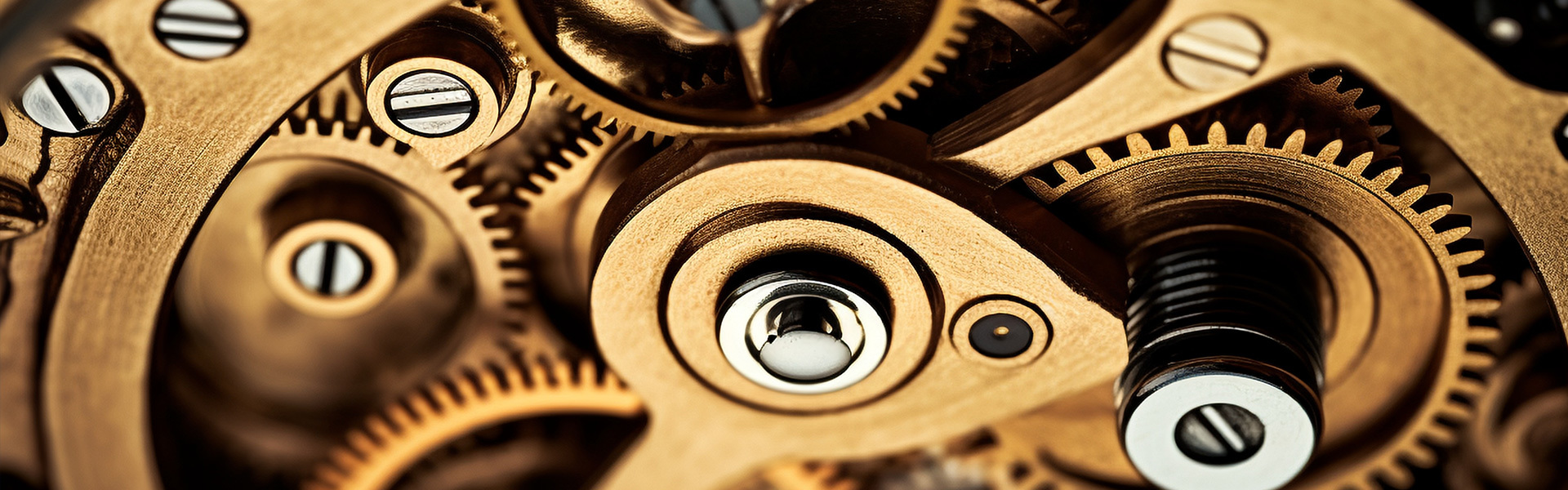
Mechanical watches are a marvel of horological engineering, combining intricate craftsmanship with timeless elegance. Unlike their quartz counterparts, which rely on batteries for power, mechanical watches operate through a complex system of gears and springs. The heart of a mechanical watch lies in its movement, which can be either manual or automatic. Understanding these fundamentals can help you appreciate the artistry and skill that goes into each piece.
The manual movement requires the wearer to wind the watch periodically, ensuring that the mainspring is tightly coiled and ready to power the timekeeping mechanism. On the other hand, automatic movements utilize the natural motion of the wearer's wrist to wind the mainspring, making them convenient for everyday use. This innovative design showcases the ingenuity of watchmakers who have perfected the balance between art and function.
One of the most appealing aspects of mechanical watches is their rich history, which dates back to the 16th century. The craftsmanship involved has evolved over centuries, yet many traditional techniques remain unchanged. This dedication to preserving the art of watchmaking contributes to the allure of mechanical watches, making them not only functional timepieces but also collectible works of art.
When considering a mechanical watch, it is essential to recognize the variety of styles and designs available. From classic dress watches to sportier models, each watch tells a unique story. Many brands incorporate exquisite materials such as gold, silver, or even ceramic, enhancing the watch's aesthetic appeal. Furthermore, the complexity of the movement itself can vary greatly, with some watches boasting features like chronographs, perpetual calendars, or tourbillons.
For professionals, wearing a mechanical watch can serve as a statement of sophistication and attention to detail. It symbolizes an appreciation for quality craftsmanship and tradition, aligning with the values of those in leadership positions. Additionally, the tactile experience of winding a manual watch or observing the intricate movements of an automatic watch can provide an enjoyable ritual in one's daily routine.
Maintenance is another critical aspect to consider. Mechanical watches typically require regular servicing to ensure their longevity and accuracy. It’s recommended to take your watch to a certified professional for routine checks, especially if you wear it frequently. Proper care can help preserve the intricate mechanisms and aesthetic qualities of your timepiece.
In summary, mechanical watches represent a unique blend of history, artistry, and precision engineering. Their enduring appeal lies in the craftsmanship behind them and the stories they embody. Whether you are a seasoned collector or a first-time buyer, understanding the essence of mechanical watches enriches your experience and appreciation of these exquisite timepieces.
The manual movement requires the wearer to wind the watch periodically, ensuring that the mainspring is tightly coiled and ready to power the timekeeping mechanism. On the other hand, automatic movements utilize the natural motion of the wearer's wrist to wind the mainspring, making them convenient for everyday use. This innovative design showcases the ingenuity of watchmakers who have perfected the balance between art and function.
One of the most appealing aspects of mechanical watches is their rich history, which dates back to the 16th century. The craftsmanship involved has evolved over centuries, yet many traditional techniques remain unchanged. This dedication to preserving the art of watchmaking contributes to the allure of mechanical watches, making them not only functional timepieces but also collectible works of art.
When considering a mechanical watch, it is essential to recognize the variety of styles and designs available. From classic dress watches to sportier models, each watch tells a unique story. Many brands incorporate exquisite materials such as gold, silver, or even ceramic, enhancing the watch's aesthetic appeal. Furthermore, the complexity of the movement itself can vary greatly, with some watches boasting features like chronographs, perpetual calendars, or tourbillons.
For professionals, wearing a mechanical watch can serve as a statement of sophistication and attention to detail. It symbolizes an appreciation for quality craftsmanship and tradition, aligning with the values of those in leadership positions. Additionally, the tactile experience of winding a manual watch or observing the intricate movements of an automatic watch can provide an enjoyable ritual in one's daily routine.
Maintenance is another critical aspect to consider. Mechanical watches typically require regular servicing to ensure their longevity and accuracy. It’s recommended to take your watch to a certified professional for routine checks, especially if you wear it frequently. Proper care can help preserve the intricate mechanisms and aesthetic qualities of your timepiece.
In summary, mechanical watches represent a unique blend of history, artistry, and precision engineering. Their enduring appeal lies in the craftsmanship behind them and the stories they embody. Whether you are a seasoned collector or a first-time buyer, understanding the essence of mechanical watches enriches your experience and appreciation of these exquisite timepieces.
Recommended News
Contact Us
Service Hotline
Add:A1, Room 1301, Block 1, Jiabang Guojin Center, No.1 South Shilong Road, Guicheng Street, Nanhai District, Foshan, China

Service Hotline
Add:A1, Room 1301, Block 1, Jiabang Guojin Center, No.1 South Shilong Road, Guicheng Street, Nanhai District, Foshan, China
Online Inquiry