
News
Loved By The People And Close To The People
Discover the Art of Timekeeping: A Deep Dive into Watch Craftsmanship
2025-04-11

Discover the Art of Timekeeping: A Deep Dive into Watch Craftsmanship
Table of Contents
- Introduction to Watch Craftsmanship
- A Brief History of Watchmaking
- The Mechanics of Timekeeping: Understanding Movements
- Materials and Design: Crafting the Perfect Timepiece
- The Artisan Skill Set: What It Takes to Be a Watchmaker
- Modern Watchmaking Techniques: Blending Tradition with Innovation
- The Future of Watch Craftsmanship: Trends and Innovations
- Conclusion: The Timeless Appeal of Watches
- FAQs About Watch Craftsmanship
Introduction to Watch Craftsmanship
In an age where technology reigns supreme, the art of watchmaking stands as a testament to human ingenuity and creativity. **Watch craftsmanship** is not merely about telling time; it embodies a rich history of artistry, precision, and dedication. Each timepiece tells a story, reflecting the skill of the artisan and the tradition of the craft. In this article, we delve deep into the captivating world of **watch craftsmanship**, exploring its history, mechanics, materials, and more.
A Brief History of Watchmaking
Watchmaking has a storied past dating back to the 15th century, with roots tracing back to ancient sundials and water clocks. The first portable timepieces emerged in the Renaissance period, evolving from intricate **spring-driven clocks** to sophisticated watches. The introduction of the **pocket watch** in the 16th century revolutionized personal timekeeping, enabling individuals to carry their own timepieces. As we moved into the 19th and 20th centuries, the advent of mass production changed the landscape of watchmaking, yet the allure of handcrafted watches remained strong.
The Evolution of Watchmaking Techniques
Initially, watchmakers relied solely on manual craftsmanship, using rudimentary tools to assemble movements. Over the years, advancements in technology have introduced new techniques, such as CNC machining and laser cutting, allowing for greater precision and efficiency. However, many artisans still adhere to traditional methods, valuing the personal touch that comes with handcrafted watches.
The Mechanics of Timekeeping: Understanding Movements
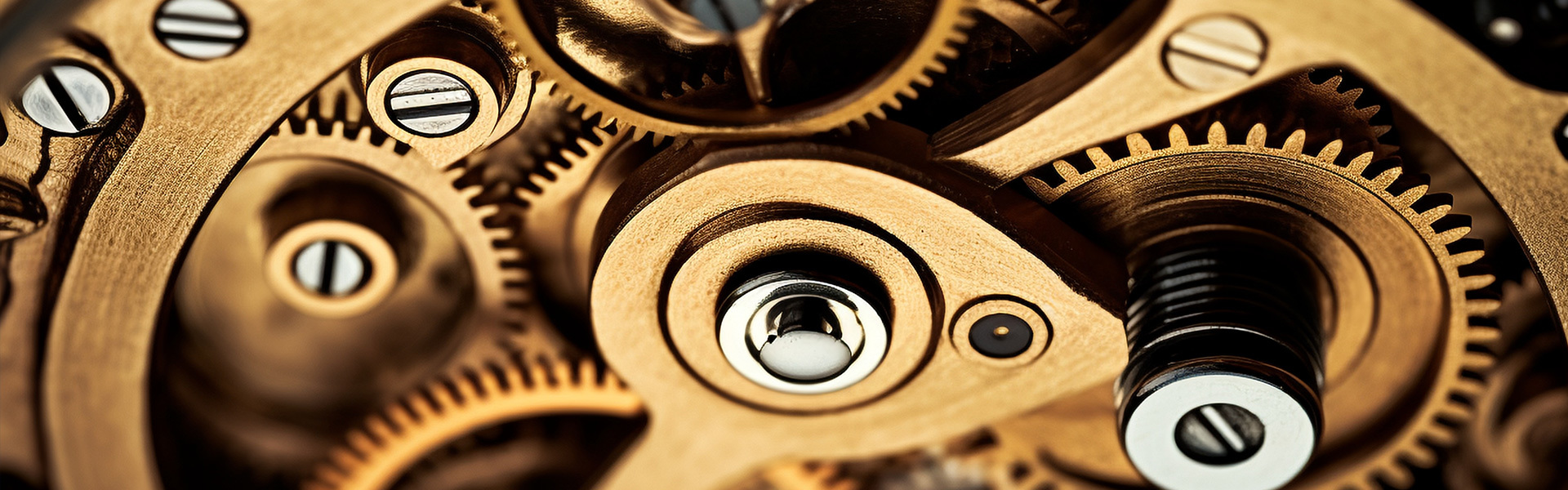
At the heart of every watch lies its **movement**, the intricate mechanism that powers the timepiece. There are primarily three types of watch movements: **mechanical**, **automatic**, and **quartz**.
Mechanical Movements
**Mechanical movements** are driven by a mainspring that must be wound manually. This type of movement is celebrated for its craftsmanship, as it requires a multitude of tiny parts working harmoniously. The artistry involved in creating mechanical movements is unparalleled, and many collectors prize these watches for their traditional appeal.
Automatic Movements
**Automatic movements** are a subset of mechanical movements that harness the energy generated by the wearer’s wrist motion. As the wearer moves, a rotor spins, winding the mainspring automatically. This innovation has made it more convenient for watch enthusiasts to enjoy the beauty of mechanical timepieces without the hassle of manual winding.
Quartz Movements
**Quartz movements**, on the other hand, utilize a battery and a quartz crystal to keep time with remarkable accuracy. While they may lack the intricate beauty of mechanical movements, quartz watches offer reliability and ease of use, making them a popular choice for everyday wearers.
Materials and Design: Crafting the Perfect Timepiece
The materials used in watchmaking play a crucial role in both aesthetics and functionality. High-quality materials not only enhance the watch's appearance but also contribute to its durability and performance.
Common Materials in Watchmaking
- Stainless Steel: Known for its strength and resistance to corrosion, stainless steel is a popular choice for watch cases and bracelets.
- Gold: Often used in luxury watches, gold imparts elegance and sophistication. Both yellow and rose gold are favored in high-end designs.
- Sapphire Crystal: Used for watch faces, sapphire crystal is scratch-resistant and provides excellent clarity.
- Leather: Commonly used for straps, leather adds a touch of classic style, while also being comfortable to wear.
- Carbon Fiber: This modern material is lightweight and durable, often found in sporty or avant-garde timepieces.
The Art of Design
Design is where artistry meets functionality. Watchmakers often draw inspiration from various sources, including nature, architecture, and cultural symbols. The dial, hands, and case design all play a pivotal role in the overall aesthetic. Customization options have also flourished, allowing enthusiasts to express their individuality through personalized timepieces.
The Artisan Skill Set: What It Takes to Be a Watchmaker
Being a watchmaker requires a unique blend of skills and knowledge. Aspiring artisans often undergo extensive training, mastering both theoretical and practical aspects of horology.
Essential Skills for Watchmakers
- Precision and Attention to Detail: The success of a timepiece relies on minute details; even the smallest error can lead to malfunctions.
- Mechanical Aptitude: A strong understanding of mechanical systems is crucial for assembling and repairing movements.
- Patience and Perseverance: Crafting watches can be time-consuming, often involving repetitive tasks that require focus and dedication.
- Creativity: Designing unique pieces demands an imaginative approach, allowing artisans to innovate within the framework of traditional craftsmanship.
Modern Watchmaking Techniques: Blending Tradition with Innovation
While traditional techniques remain at the core of watchmaking, modern innovations have transformed the industry. Computer-aided design (CAD) software and advanced manufacturing processes enable greater precision and efficiency while maintaining the artistry of handcrafted watches.
The Role of Technology
Technological advancements have also led to the development of smartwatches, combining the classic appeal of watchmaking with the functionality of modern technology. This evolution has sparked debates within the horology community, as some purists champion traditional craftsmanship while others embrace innovation.
The Future of Watch Craftsmanship: Trends and Innovations
The future of watch craftsmanship is poised for exciting developments. As consumer preferences shift and technology continues to advance, watchmakers are adapting to meet new demands.
Emerging Trends
- Sustainability: Increasingly, consumers are seeking eco-friendly options. Watchmakers are responding by incorporating sustainable materials and ethical practices.
- Customization: The desire for personalized timepieces drives innovation, with brands offering bespoke services to create unique watches for customers.
- Integration of Smart Features: Many traditional brands are now exploring the incorporation of smart technology into their designs, merging classic aesthetics with modern functionality.
Conclusion: The Timeless Appeal of Watches
Watch craftsmanship is a remarkable blend of art, science, and tradition, capturing the essence of human creativity in every timepiece. As we have explored, the journey of watchmaking is rich with history, intricate mechanics, and innovative designs. Whether you are a seasoned collector or a casual enthusiast, the allure of a finely crafted watch resonates universally. In a world racing forward, these timeless creations remind us to appreciate the art of timekeeping.
FAQs About Watch Craftsmanship
1. What is the difference between mechanical and quartz watches?
Mechanical watches are powered by a mainspring and require manual winding or motion to function. Quartz watches, however, use a battery and a quartz crystal for accuracy.
2. How do I choose the right watch for me?
Consider your personal style, the watch's purpose, and your budget. Research different brands and designs to find a timepiece that resonates with you.
3. Are luxury watches worth the investment?
Luxury watches often retain value and can be considered an investment. Additionally, their craftsmanship and heritage make them desirable to collectors.
4. How often should I service my watch?
It's generally recommended to service mechanical watches every three to five years, while quartz watches may require less frequent servicing unless issues arise.
5. What are some signs that my watch needs repair?
Common signs include irregular timekeeping, a dead battery (for quartz), or visible damage to the watch case or crystal. If you notice any issues, consult a professional watchmaker.
Recommended News
Contact Us
Service Hotline
Add:A1, Room 1301, Block 1, Jiabang Guojin Center, No.1 South Shilong Road, Guicheng Street, Nanhai District, Foshan, China

Service Hotline
Add:A1, Room 1301, Block 1, Jiabang Guojin Center, No.1 South Shilong Road, Guicheng Street, Nanhai District, Foshan, China
Online Inquiry