
News
Loved By The People And Close To The People
Unveiling the Artistry Behind Mechanical Watches: A Deep Dive into Timeless Craftsmanship
2025-04-07

Unveiling the Artistry Behind Mechanical Watches
Mechanical watches represent a pinnacle of craftsmanship, merging art with precision engineering. These timepieces, often admired for their intricate movements and aesthetic beauty, have captured the hearts of enthusiasts and collectors alike. In this comprehensive exploration, we will delve into the artistry behind mechanical watches, examining their history, design, and the innovations that have shaped their evolution.
The Fascinating History of Mechanical Watches
The journey of mechanical watches began in the 16th century. Originally, timekeeping devices were large, cumbersome contraptions that were not easily portable. The introduction of the **mainspring** in the 15th century revolutionized watchmaking, allowing timepieces to become smaller and more practical.
The Birth of Portable Timekeeping
The first portable watches, known as **pocket watches**, emerged in the 17th century. Craftsmen began to experiment with various mechanisms, which led to the development of intricate movements. These early watches were often ornate, featuring exquisite engravings and precious metals, establishing a tradition of artistry that continues today.
The Rise of Wristwatches
By the late 19th century, wristwatches gained popularity, particularly among military personnel. The transition from pocket watches to wristwatches marked a significant milestone in the watchmaking industry. Brands like **Rolex** and **Patek Philippe** began to emerge, showcasing exceptional craftsmanship and innovation.
The Mechanisms Behind Mechanical Watches
At the heart of every mechanical watch lies its movement. Understanding these movements is essential to appreciating the artistry involved.
Types of Movements: Manual vs. Automatic
Mechanical watches can be categorized primarily into two types: **manual** and **automatic**.
- **Manual Movements** require the wearer to wind the watch regularly. This process involves turning the crown, which tightens the mainspring, storing energy for the watch to function.
- **Automatic Movements**, on the other hand, harness energy from the wearer's wrist movements. A rotor within the watch spins as the wrist moves, winding the mainspring automatically. This innovation allows the watch to keep running as long as it is worn regularly.
The Complexity of Watch Movements
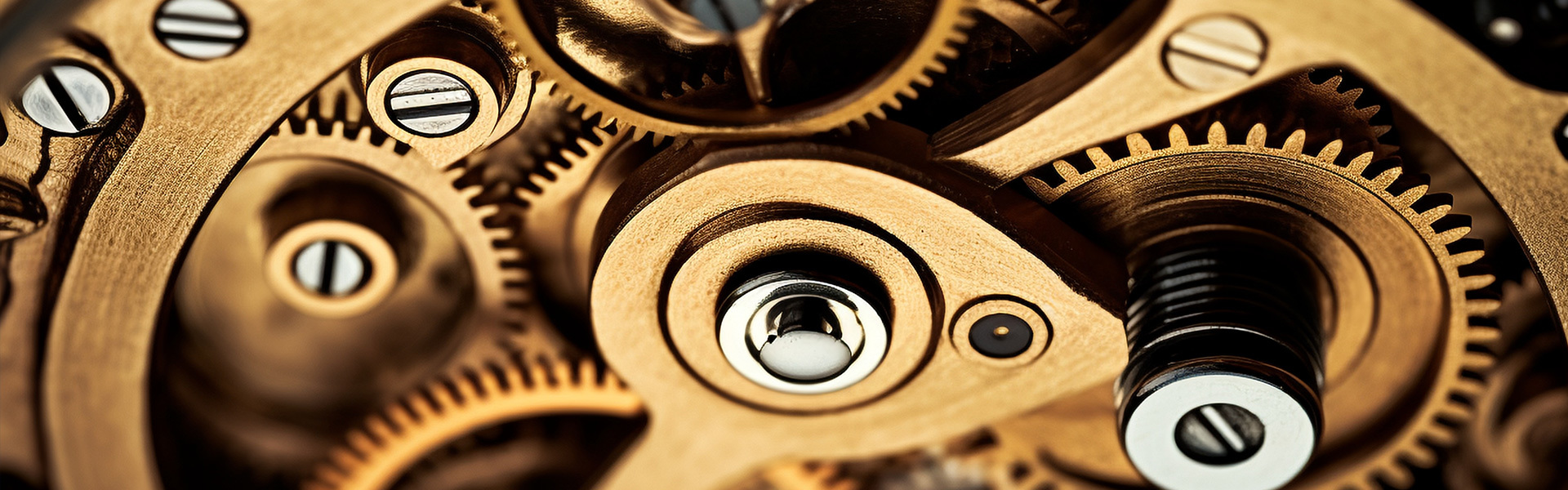
The intricacy of the movement is what sets mechanical watches apart from their quartz counterparts. A typical mechanical watch can contain anywhere from **100 to 400 components**, each meticulously crafted and assembled. These parts include gears, levers, and springs that work harmoniously to ensure accurate timekeeping.
Artistry in Design and Aesthetics
Mechanical watches are not just functional; they are also works of art. The design process involves a keen eye for detail and an understanding of aesthetics.
The Role of Materials in Watchmaking
Luxury mechanical watches often utilize high-quality materials such as stainless steel, gold, and platinum. Additionally, the use of **sapphire crystal** for the watch face provides durability and clarity. The choice of materials significantly impacts the watch's appearance and longevity.
Dial Design: A Canvas for Creativity
The dial of a mechanical watch serves as its face and is a crucial element of its design. Watchmakers use various techniques, such as **enamel painting**, **guilloché engraving**, and **luminous coatings** to enhance the watch's visual appeal. A well-designed dial not only tells time but also tells a story about the watchmaker's artistry and intent.
The Importance of Craftsmanship in Mechanical Watches
The craftsmanship involved in creating a mechanical watch cannot be overstated. Each watch is often assembled by hand, a process that requires immense skill and patience.
Master Watchmakers: The Artists Behind the Timepieces
Master watchmakers undergo years of training to hone their skills. They understand the intricacies of each component and the significance of precision in assembly. Many prestigious brands, such as **Audemars Piguet** and **Jaeger-LeCoultre**, have their in-house artisans who ensure that every piece meets the highest standards of quality.
The Role of Tradition vs. Innovation
While tradition plays a significant role in watchmaking, innovation is equally essential. Brands continuously seek to improve accuracy, durability, and functionality. Modern technology has introduced tools and techniques that enhance the assembly process without compromising craftsmanship.
The Value of Mechanical Watches in Today's Market
Investing in a mechanical watch has become increasingly popular. These timepieces are often seen as both functional instruments and valuable collectibles.
Factors Influencing Watch Value
Several factors contribute to the value of a mechanical watch, including brand reputation, rarity, and condition. Limited edition watches or those with unique complications tend to fetch higher prices at auctions.
The Impact of Vintage and Heritage Models
Heritage models, particularly those with a rich history, can command impressive sums. Vintage watches from renowned brands often carry a story and authenticity that attracts collectors seeking to own a piece of history.
Caring for Your Mechanical Watch
To ensure the longevity of your mechanical watch, proper care is essential.
Regular Maintenance and Service
It is recommended to have mechanical watches serviced every **three to five years**. During this service, the movement is cleaned, lubricated, and any worn parts are replaced. This maintenance helps preserve the watch's functionality and aesthetics.
Storage and Handling Tips
When not wearing your mechanical watch, store it in a cool, dry place. Using a watch box or winder can help protect the timepiece from dust and damage. Avoid exposing the watch to extreme temperatures or humidity, as these elements can adversely affect its components.
FAQs About Mechanical Watches
1. What is the difference between a mechanical watch and a quartz watch?
Mechanical watches rely on intricate gears and springs for timekeeping, while quartz watches use battery power and quartz crystals for accuracy.
2. How long do mechanical watches last?
With proper care and maintenance, mechanical watches can last for generations, often becoming family heirlooms.
3. Are mechanical watches considered investments?
Yes, many mechanical watches appreciate over time, particularly those from renowned brands or limited editions.
4. How often should I wind my manual mechanical watch?
Manual watches should be wound once a day to ensure they keep accurate time.
5. What are complications in mechanical watches?
Complications refer to any feature beyond simple timekeeping, such as chronographs, calendars, and minute repeaters.
Conclusion
The artistry behind mechanical watches is a captivating blend of tradition, craftsmanship, and innovation. From their rich history to the intricate mechanisms that power them, these timepieces offer a unique glimpse into the world of horology. Whether you are a seasoned collector or a curious observer, appreciating the artistry of mechanical watches opens up a universe of beauty and precision that transcends mere timekeeping. Embrace this timeless craft, and let your passion for mechanical watches guide you through the intricate world of horological artistry.
The next one:
Recommended News
Contact Us
Service Hotline
Add:A1, Room 1301, Block 1, Jiabang Guojin Center, No.1 South Shilong Road, Guicheng Street, Nanhai District, Foshan, China

Service Hotline
Add:A1, Room 1301, Block 1, Jiabang Guojin Center, No.1 South Shilong Road, Guicheng Street, Nanhai District, Foshan, China
Online Inquiry