
News
Loved By The People And Close To The People
Exploring the Intricacies of Automatic Mechanical Watch Movement
2025-03-28

Exploring the Intricacies of Automatic Mechanical Watch Movement
Table of Contents
- 1. Introduction to Automatic Mechanical Watches
- 2. The Rich History of Mechanical Watchmaking
- 3. How Does an Automatic Mechanical Movement Work?
- 4. Advantages of Automatic Watches
- 5. Disadvantages of Automatic Watches
- 6. Maintaining Your Automatic Watch
- 7. Why Collectors Love Automatic Watches
- 8. Conclusion
- 9. FAQs about Automatic Mechanical Watches
1. Introduction to Automatic Mechanical Watches
Automatic mechanical watches represent a unique blend of artistry and engineering, captivating aficionados and casual wearers alike. These timepieces operate without batteries, harnessing the energy generated by the wearer's movements. This self-winding mechanism not only makes them environmentally friendly but also ensures a connection between the owner and the watch, as each movement contributes to its timekeeping precision.
2. The Rich History of Mechanical Watchmaking
The journey of mechanical watches began in the 16th century, when the first spring-driven timepieces emerged in Europe. Pioneers like Galileo Galilei and later, the likes of Abraham-Louis Breguet, pushed the boundaries of horology, leading to the development of intricate movements and complications. By the 20th century, automatic movements were introduced, allowing watches to wind themselves as users went about their daily lives, marking a significant evolution in watch technology.
3. How Does an Automatic Mechanical Movement Work?
Understanding how automatic mechanical watches function requires an appreciation of their core components and mechanisms.
3.1 Key Components of Automatic Movements
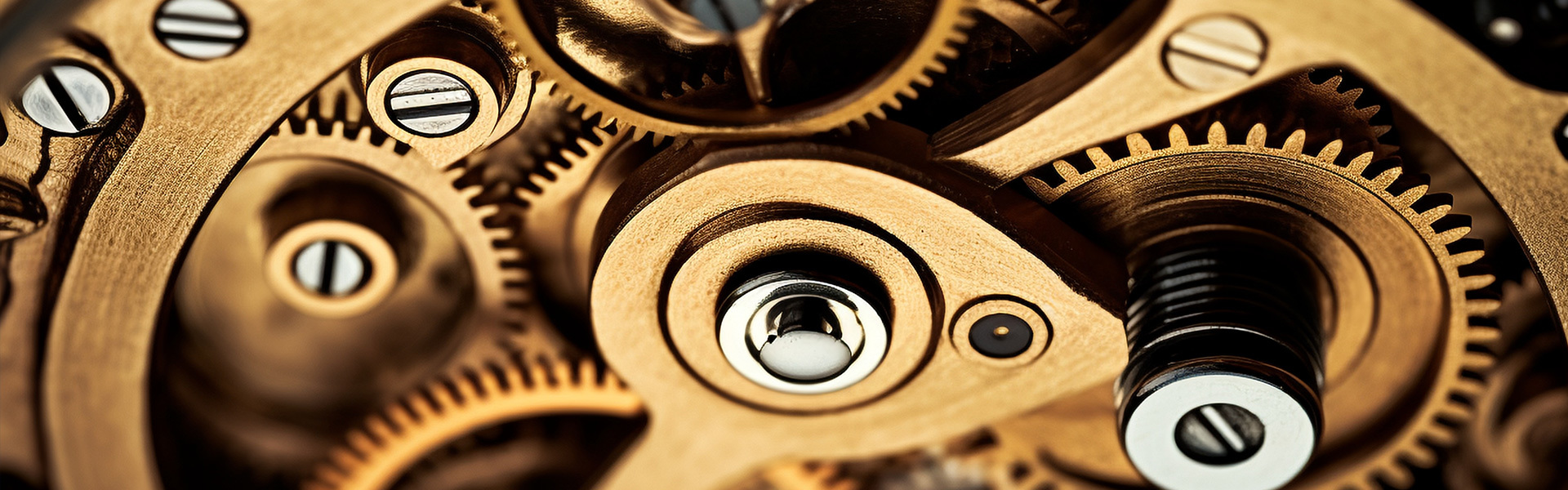
At the heart of an automatic watch lies an intricate system of gears, springs, and rotors. Key components include:
- **Rotor**: A semi-circular weight that moves with the wearer's wrist motion, winding the mainspring.
- **Mainspring**: Stores energy that powers the watch.
- **Gear Train**: Transfers the energy from the mainspring to the escapement.
- **Escapement**: Regulates the release of energy in discreet increments, keeping time accurately.
- **Balance Wheel**: Oscillates to ensure the watch keeps a consistent pace.
These components work in harmony, allowing the watch to function seamlessly without needing a battery.
3.2 The Winding Mechanism Explained
The winding mechanism is a marvel of engineering. As the rotor spins due to wrist movement, it winds the mainspring. Some watches also feature a manual winding option, allowing the wearer to wind the watch by turning the crown. This dual winding capability enhances the watch's reliability and efficiency, ensuring it remains operational even if not worn for an extended period.
4. Advantages of Automatic Watches
Automatic watches offer numerous benefits that appeal to watch enthusiasts:
- **Eco-Friendly**: They do not rely on batteries, making them an environmentally sound choice.
- **Longevity**: With proper maintenance, these watches can last for generations, often becoming heirlooms.
- **Craftsmanship**: The intricate movements showcase exceptional craftsmanship, making them a work of art.
- **Self-Winding**: The convenience of self-winding means fewer interruptions in timekeeping for the wearer.
5. Disadvantages of Automatic Watches
Despite their many advantages, automatic watches come with certain drawbacks:
- **Sensitivity to Movement**: They require regular motion to stay wound, which may not be ideal for those who wear them infrequently.
- **Precision**: While generally accurate, automatic movements may not match the precision of quartz watches, especially under varying conditions.
- **Cost**: High-quality automatic watches often come with a higher price tag due to their craftsmanship and complexity.
6. Maintaining Your Automatic Watch
To ensure longevity and optimal performance, routine maintenance is essential for automatic watches. Here are key steps to consider:
- **Regular Winding**: If not worn frequently, it's advisable to wind the watch manually to keep the lubricants inside flowing.
- **Cleaning**: Periodic professional cleaning can prevent dirt accumulation, which may hinder movement functionality.
- **Storage**: When not in use, store the watch in a watch box or winder to maintain its winding and prevent it from stopping.
7. Why Collectors Love Automatic Watches
For collectors, automatic watches symbolize both beauty and technical prowess. The appeal lies in:
- **Historical Significance**: Many automatic watches come with rich histories and unique stories.
- **Variety**: The market offers an extensive range of designs, from classic to modern, catering to diverse tastes.
- **Investment Potential**: Certain models appreciate over time, making them desirable for investment.
Collectors often seek pieces with unique features, limited editions, or renowned brand heritage, adding depth to their collections.
8. Conclusion
Automatic mechanical watches are not just tools for telling time; they represent a blend of history, craftsmanship, and personal connection. Their intricate movements and self-winding capabilities make them unique in the world of horology. Whether you are a seasoned collector or a newcomer to the world of watches, understanding these timepieces enhances appreciation and enjoyment. As technology evolves, the charm of automatic watches continues to captivate generations, standing the test of time with elegance and efficiency.
9. FAQs about Automatic Mechanical Watches
1. What is the difference between automatic and manual watches?
Automatic watches wind themselves using the motion of the wearer, while manual watches require hand winding to store energy.
2. How often should I service my automatic watch?
It is recommended to service your automatic watch every three to five years, depending on usage and brand recommendations.
3. Can automatic watches be worn while swimming?
Many automatic watches are water-resistant; however, it's crucial to check the specific water resistance rating before swimming.
4. What should I do if my automatic watch stops working?
If your watch stops, try winding it manually and wear it for some time. If it remains stopped, consult a professional for servicing.
5. Are automatic watches suitable for everyday wear?
Yes, automatic watches are designed for everyday wear and can be both durable and stylish, making them perfect for various occasions.
Recommended News
Contact Us
Service Hotline
Add:A1, Room 1301, Block 1, Jiabang Guojin Center, No.1 South Shilong Road, Guicheng Street, Nanhai District, Foshan, China

Service Hotline
Add:A1, Room 1301, Block 1, Jiabang Guojin Center, No.1 South Shilong Road, Guicheng Street, Nanhai District, Foshan, China
Online Inquiry