
News
Loved By The People And Close To The People
Exploring the Technical Precision of Skeleton Watches: A Masterclass in Horological Artistry
2025-03-22

Exploring the Technical Precision of Skeleton Watches
In the realm of horology, few timepieces capture the imagination quite like skeleton watches. These remarkable creations showcase the intricate mechanics of watchmaking, allowing enthusiasts and casual observers alike to appreciate the artistry and precision involved. In this article, we will explore the technical precision inherent in skeleton watches, the craftsmanship that defines them, and the innovations driving this unique segment of the watch industry.
The Allure of Skeleton Watches: A Brief Overview
Skeleton watches have long fascinated watch lovers due to their transparent designs that reveal the complex inner workings. Unlike traditional watches, where the movement is concealed behind a solid case, skeleton watches offer a glimpse into the meticulous craftsmanship and engineering that goes into each piece. Their beauty lies not only in their aesthetic appeal but also in the technical ingenuity that allows them to function as precise timekeeping instruments.
History of Skeleton Watches: From Origins to Modern Day
The history of skeleton watches can be traced back to the late 18th century when watchmakers began to experiment with transparency in their designs. Early examples, such as those crafted by renowned Swiss artisans, set the stage for what would become a distinctive style in horology. Over the years, advancements in technology have allowed for more intricate designs, leading to the development of contemporary skeleton watches that blend tradition with modern innovation.
Early Innovations in Skeleton Design
During the early days of skeleton watchmaking, artisans relied heavily on hand tools to create intricate movements. The labor-intensive process involved meticulously removing unnecessary material from the movement to create a lightweight and visually striking piece. As technology advanced, watchmakers began to use CNC machines and laser technology, enabling greater precision and complexity in skeleton designs.
Craftsmanship Behind Skeleton Watches
The craftsmanship involved in creating a skeleton watch is nothing short of remarkable. Each component is meticulously designed, crafted, and assembled to ensure that the final product is not only visually stunning but also functional. Here, we delve into the various stages of craftsmanship that contribute to the allure of skeleton watches.
Materials Used in Skeleton Watches
One of the defining features of skeleton watches is the materials used in their construction. High-quality metals such as stainless steel, gold, and titanium are commonly employed to ensure durability and aesthetic appeal. Additionally, watchmakers often incorporate sapphire crystal for the watch face, allowing for optimal visibility of the intricate movement.
The Art of Engraving and Finishing Techniques
Engraving is a crucial aspect of skeleton watch craftsmanship. Skilled artisans apply intricate designs and patterns to the movement, enhancing its visual appeal. Finishing techniques, such as polishing and brushing, further elevate the elegance of the watch, reflecting light and creating a captivating play of surfaces.
Technical Precision in Skeleton Watches
While aesthetics play a significant role in the appeal of skeleton watches, their technical precision is equally important. Understanding the mechanics behind these timepieces sheds light on what makes them truly exceptional.
The Movement: Heart of the Skeleton Watch
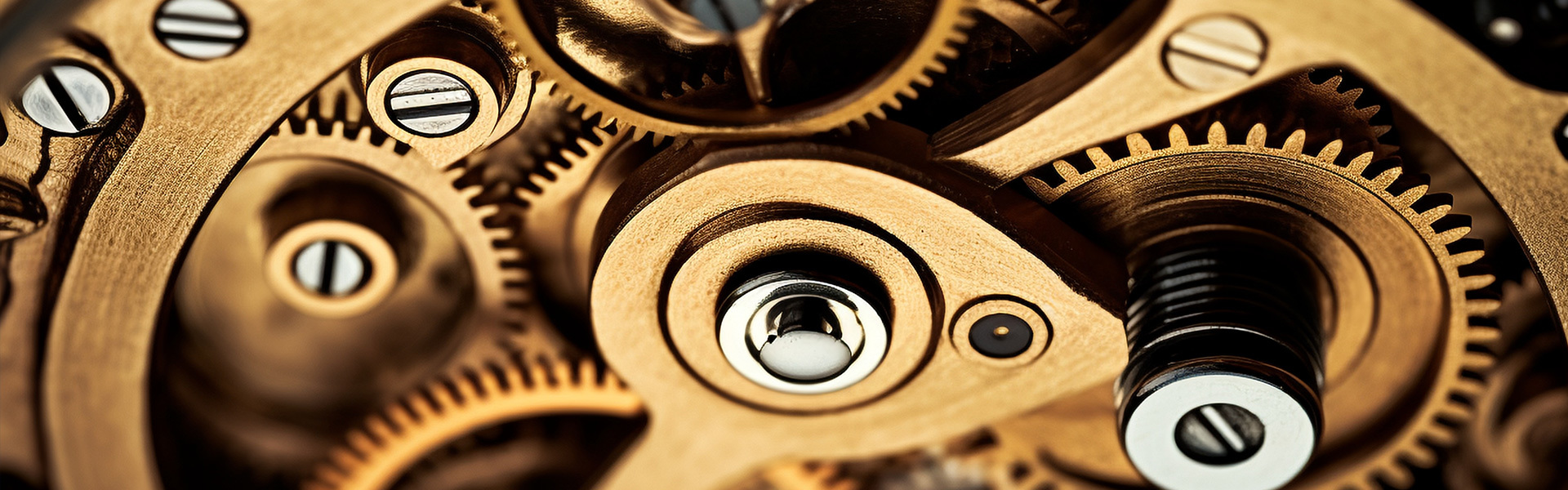
The movement of a skeleton watch is where the magic happens. Typically, these timepieces utilize automatic or manual movements that are designed with transparency in mind. The openwork design allows for a clear view of the escapement, gears, and other essential components, showcasing the intricate mechanics that drive the timepiece.
Caliber and Accuracy: The Key Metrics
Each skeleton watch is powered by a specific caliber, which dictates its accuracy and reliability. High-end skeleton watches often feature movements with a high frequency, ensuring precise timekeeping. The intricacies of the caliber, including the number of jewels and the power reserve, are crucial metrics that watch enthusiasts consider when evaluating a skeleton watch's performance.
Innovations in Skeleton Watch Technology
As technology continues to evolve, so too does the skeleton watch. Manufacturers are constantly seeking ways to enhance both the functionality and aesthetics of these timepieces, leading to exciting innovations in the industry.
Smart Skeleton Watches: The Future of Horology
Recent advancements have allowed for the incorporation of smart technology into skeleton watches. These hybrid timepieces combine traditional watchmaking with modern digital features, offering functionalities such as fitness tracking, notifications, and more—all while maintaining the iconic skeleton design.
3D Printing in Watchmaking
3D printing technology is revolutionizing the watchmaking industry, allowing for unprecedented levels of customization and complexity. Skeleton watches produced using 3D printing techniques benefit from intricate designs that were previously impossible to achieve, enhancing both their aesthetic and functional appeal.
Choosing the Right Skeleton Watch for You
With a multitude of options available, selecting the right skeleton watch can be an overwhelming task. Here are some key considerations to keep in mind.
Your Style and Preferences
Skeleton watches come in various styles, from classic to modern interpretations. Consider your personal taste and the occasions on which you plan to wear the watch. A more formal design may be appropriate for business settings, while a bold, artistic piece could be perfect for casual outings.
Budget Considerations
Skeleton watches vary significantly in price, depending on the brand, materials, and craftsmanship involved. Establishing a budget beforehand can help narrow down your options and ensure you find a timepiece that meets your expectations without overspending.
FAQs about Skeleton Watches
1. What is a skeleton watch?
A skeleton watch is a type of timepiece that features a transparent case or dial, allowing visibility of its inner mechanics and movement.
2. Why are skeleton watches so popular?
The popularity of skeleton watches stems from their unique aesthetic appeal and the artistry involved in their craftsmanship, showcasing the intricate mechanics of watchmaking.
3. Are skeleton watches accurate?
Yes, many skeleton watches are designed with high-quality movements that ensure accurate timekeeping, although accuracy can vary based on the specific caliber used.
4. How should I care for my skeleton watch?
To maintain the integrity of your skeleton watch, keep it away from extreme temperatures and magnetic fields, and consider periodic servicing by a professional watchmaker.
5. Can skeleton watches be worn every day?
Yes, many skeleton watches are durable enough for everyday wear, but it’s important to choose one made from high-quality materials to ensure longevity.
Conclusion
Skeleton watches represent a harmonious blend of artistry and precision, captivating the hearts of watch enthusiasts around the world. From their rich history and craftsmanship to the innovative technologies shaping their future, these timepieces offer a unique viewing experience that transcends traditional horology. By understanding the technical precision behind skeleton watches, we can appreciate not only their beauty but also the expertise required to create such masterpieces. Whether you're a seasoned collector or a curious newcomer, skeleton watches will continue to intrigue and inspire with their remarkable technical prowess and artistic flair.
Recommended News
Contact Us
Service Hotline
Add:A1, Room 1301, Block 1, Jiabang Guojin Center, No.1 South Shilong Road, Guicheng Street, Nanhai District, Foshan, China

Service Hotline
Add:A1, Room 1301, Block 1, Jiabang Guojin Center, No.1 South Shilong Road, Guicheng Street, Nanhai District, Foshan, China
Online Inquiry