
News
Loved By The People And Close To The People
The Art of Crafting Automatic Mechanical Watches for Men
2025-03-10

The Art of Crafting Automatic Mechanical Watches for Men
Automatic mechanical watches hold a unique place in the world of horology, captivating watch enthusiasts and casual wearers alike. These intricately crafted timepieces blend engineering excellence with artistic beauty. In this article, we will explore the craftsmanship behind these watches, discuss their history, and provide insight into the maintenance and investment potential of owning an automatic mechanical watch.
Understanding Automatic Mechanical Watches
To appreciate the art of crafting automatic mechanical watches, it’s essential to understand what sets them apart from other types of watches.
What is an Automatic Mechanical Watch?
An automatic mechanical watch operates without the need for batteries. Instead, it harnesses the energy generated by the motion of the wearer’s wrist. This self-winding mechanism is one of the key features that define a mechanical watch, providing both reliability and a unique user experience.
The Components of an Automatic Mechanical Watch
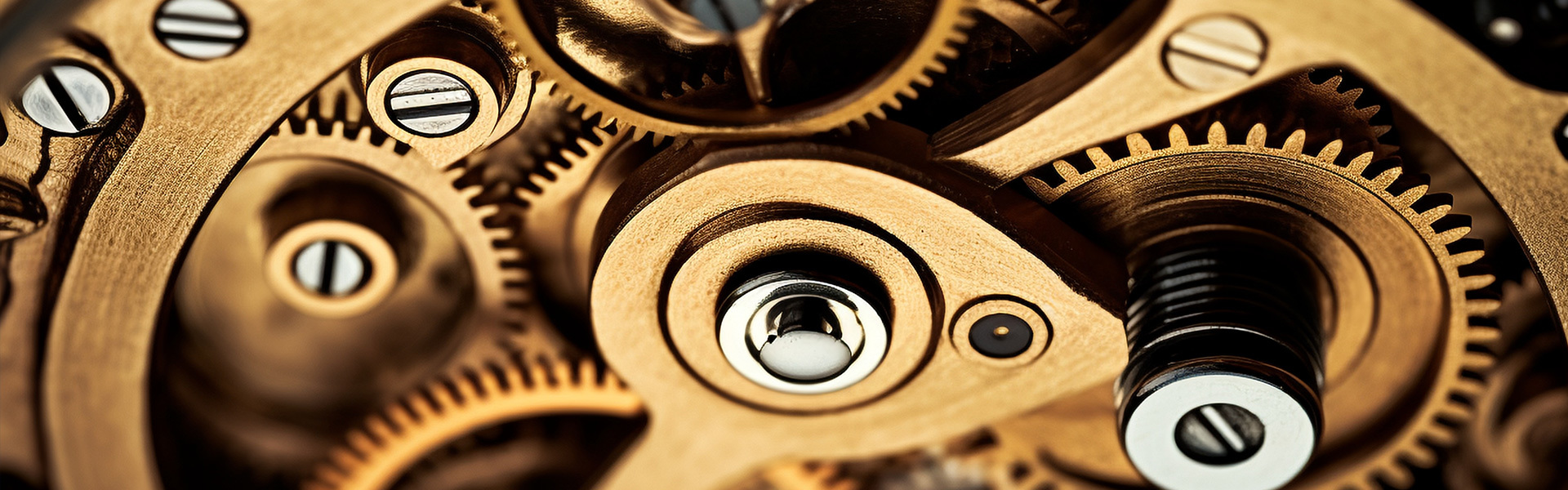
The complexity of an automatic mechanical watch lies in its various components. Here are some key parts:
- **Movement**: The heart of the watch, responsible for timekeeping.
- **Rotor**: A semicircular weight that moves as the wearer moves, winding the mainspring.
- **Mainspring**: Stores energy and powers the watch.
- **Escapement**: Regulates the release of energy, ensuring accurate timekeeping.
- **Dial and Hands**: The face of the watch displays time and other functions.
Each component plays a crucial role, and the precision with which they are crafted is what ultimately defines the quality of the watch.
The Craftsmanship Behind Automatic Mechanical Watches
Crafting an automatic mechanical watch is a meticulous process that requires skill, precision, and a deep understanding of horology.
The Traditional Craftsmanship Process
The journey of creating a mechanical watch begins with design. Watchmakers often draw inspiration from historical models or contemporary aesthetics to create unique pieces.
- **Prototype Development**: Initial designs are translated into prototypes. This phase involves several iterations, incorporating feedback and testing various materials.
- **Component Manufacturing**: Each part is crafted with precision. High-end watches often use materials like stainless steel, gold, or ceramic, reflecting durability and luxury.
- **Assembly**: Once all components are manufactured, they’re assembled by skilled artisans. This stage requires immense concentration and care, as even the smallest error can impact performance.
The Role of Technology in Watchmaking
While traditional techniques remain at the forefront of watchmaking, technology has also made a significant impact. Modern tools and machinery allow for increased precision, ensuring that each component fits perfectly.
- **Computer-Aided Design (CAD)**: CAD software enables designers to visualize and optimize their creations, leading to improved functionality and aesthetics.
- **Laser Cutting**: This technology allows for intricate designs and precise cuts, which would be nearly impossible to achieve by hand.
The History of Automatic Mechanical Watches
Understanding the history of automatic mechanical watches enriches our appreciation for these exceptional timepieces.
A Brief Historical Overview
The concept of automatic watches dates back to the 18th century, but it wasn't until the 20th century that they gained popularity.
- **Early Innovations**: The first known automatic watch was created by Abraham-Louis Perrelet in 1770. His invention laid the groundwork for future designs.
- **20th Century Advancements**: The 1920s and 1930s saw significant advancements in watch technology, with brands like Rolex introducing self-winding mechanisms.
- **Modern Era**: Today, automatic watches are celebrated for their artistry and craftsmanship, with many luxury brands continuing to innovate while honoring traditional methods.
The Benefits of Choosing an Automatic Mechanical Watch
Choosing an automatic mechanical watch offers several advantages that appeal to both collectors and casual wearers.
Longevity and Durability
One of the most significant benefits of automatic watches is their longevity. With proper care, a high-quality automatic watch can last for generations. This durability makes them not only a stylish accessory but also a wise investment.
Self-Winding Mechanism
The self-winding feature eliminates the need for batteries, making these watches environmentally friendly. Additionally, they provide a unique experience, as the timepiece springs to life with every movement of the wrist.
Artistic Expression
Automatic mechanical watches often feature intricate designs and craftsmanship that reflect the artistry of the watchmaker. Each timepiece tells a story, showcasing the brand’s heritage and innovation.
Maintaining Your Automatic Mechanical Watch
To ensure your automatic watch remains in optimal condition, regular maintenance is essential.
Routine Care and Cleaning
- **Cleaning the Case and Bracelet**: Regularly clean your watch with a soft cloth to remove dirt and oils. For metal bracelets, consider using a soft brush and mild soap.
- **Avoiding Water Damage**: While many automatic watches are water-resistant, it’s important to check seals and gaskets regularly to prevent moisture from entering the case.
Servicing Your Watch
Professional servicing every 3 to 5 years is recommended to maintain the watch’s accuracy and functionality. A watchmaker can clean and lubricate internal components, ensuring longevity.
Investing in Automatic Mechanical Watches
As the world becomes increasingly digital, mechanical watches have gained status as luxury items and investment pieces.
Why Automatic Watches are a Good Investment
- **Value Retention**: High-quality automatic watches often retain or even increase their value over time, particularly limited editions from reputable brands.
- **Cultural Significance**: Collectible watches can also serve as cultural artifacts, representing milestones in technology and design.
Factors to Consider When Investing
When investing in an automatic mechanical watch, consider factors such as brand reputation, craftsmanship, rarity, and condition. Doing thorough research can lead to informed decisions and valuable additions to your collection.
FAQs about Automatic Mechanical Watches
1. How do I know if my automatic watch is running correctly?
To check if your automatic watch is functioning properly, observe the timekeeping accuracy over several days. If it deviates significantly from the standard time, it may need servicing.
2. Can I wear an automatic watch while swimming?
Many automatic watches are water-resistant, but it’s crucial to verify the specific model's water resistance rating. If unsure, it's safer to remove the watch before swimming.
3. How often should I wind my automatic watch?
If worn daily, the watch will wind itself through wrist movement. If not worn frequently, it’s advisable to wind it manually every few days to maintain accuracy.
4. What should I do if my automatic watch stops working?
If your watch stops, try winding it manually. If it still doesn’t work, take it to a professional watchmaker for inspection and possible repair.
5. Are automatic watches more expensive than quartz watches?
Generally, automatic watches are more expensive due to the intricate craftsmanship and materials involved in their production. However, prices vary widely based on brand and features.
Conclusion
The art of crafting automatic mechanical watches for men is a captivating blend of engineering, artistry, and history. These remarkable timepieces not only serve as reliable instruments for keeping time but also as expressions of personal style and heritage. With the right care and maintenance, an automatic watch can last a lifetime, making it a worthwhile investment for any watch enthusiast. Whether you're new to the world of horology or a seasoned collector, understanding the craftsmanship behind these watches enriches your appreciation and enhances your experience. Embrace the artistry of automatic mechanical watches, and let them accompany you through life's moments.
Recommended News
Contact Us
Service Hotline
Add:A1, Room 1301, Block 1, Jiabang Guojin Center, No.1 South Shilong Road, Guicheng Street, Nanhai District, Foshan, China

Service Hotline
Add:A1, Room 1301, Block 1, Jiabang Guojin Center, No.1 South Shilong Road, Guicheng Street, Nanhai District, Foshan, China
Online Inquiry