
News
Loved By The People And Close To The People
The Intricacies of Automatic Mechanical Watch Movements: Understanding the Heart of Timepieces
2025-03-07

Automatic mechanical watch movements represent a remarkable blend of art and engineering, serving as the heartbeat of many fine timepieces. Unlike quartz watches that rely on a battery, automatic watches harness the power of motion to keep time. This unique feature is what sets them apart and elevates them into the realm of high craftsmanship and luxury.
At the core of an automatic mechanical watch movement is a rotor—a semi-circular piece that moves as the wearer’s wrist swings. This movement winds the mainspring, which stores energy and powers the watch. As long as the watch is worn regularly, the rotor continues to wind the mainspring, ensuring that the watch remains operational without the need for manual winding or battery changes. This self-winding mechanism is what makes automatic watches both convenient and reliable.
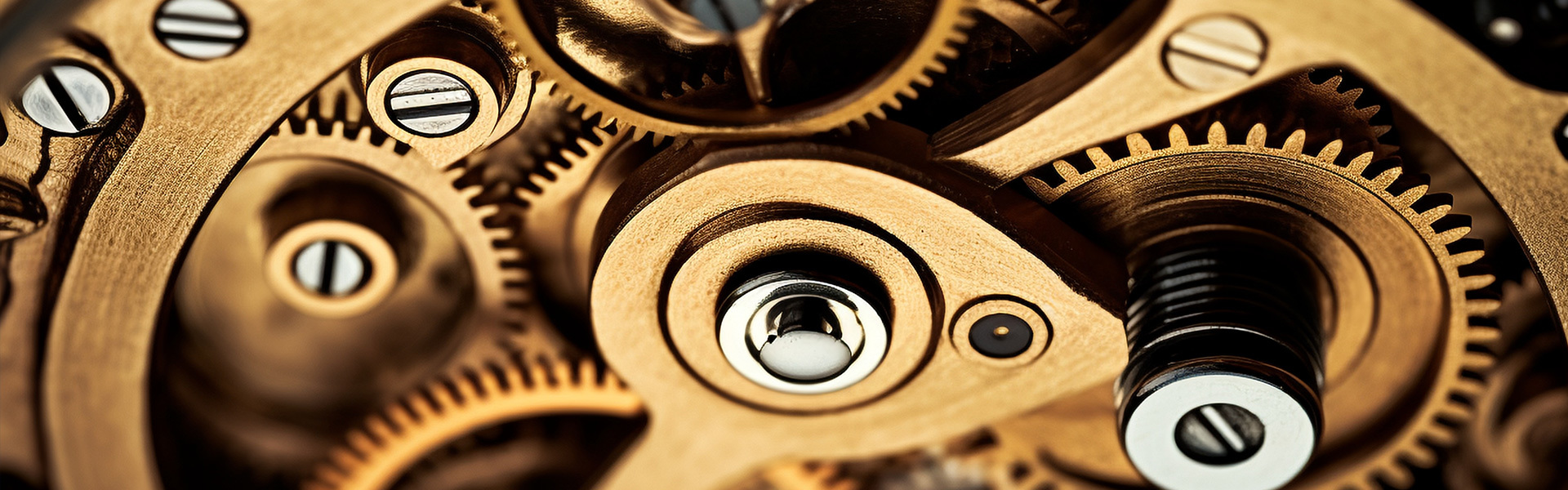
The craftsmanship involved in creating these movements is nothing short of extraordinary. Each component, from the gears and levers to the tiny screws, is meticulously engineered and assembled by skilled watchmakers. The complexity of an automatic movement can vary, with some timepieces featuring numerous complications—functions beyond simple timekeeping such as perpetual calendars, chronographs, or moon phases. These intricacies not only showcase the watchmaker’s expertise but also provide added functionality for the wearer.
One significant advantage of automatic mechanical watch movements is their longevity. With proper care and maintenance, these timepieces can last for generations, making them not only a statement of style but also an investment piece. While quartz watches may be more accurate in the short term, mechanical movements are often favored by enthusiasts for their craftsmanship, heritage, and the sheer enjoyment of their mechanical operation.
To keep an automatic watch in optimal condition, regular servicing is recommended. This includes occasional cleaning and lubrication of the movement to ensure smooth operation. Furthermore, storing the watch properly when not in use is essential; many collectors invest in watch winders that automatically rotate the timepiece to keep the movement active.
In conclusion, understanding automatic mechanical watch movements opens up a world of appreciation for the artistry and engineering behind horology. These movements are more than just timekeepers; they embody a rich tradition of craftsmanship and innovation. Whether you are a collector or simply someone who appreciates fine watches, recognizing the value of an automatic movement can enhance your experience and connection to these remarkable timepieces.
At the core of an automatic mechanical watch movement is a rotor—a semi-circular piece that moves as the wearer’s wrist swings. This movement winds the mainspring, which stores energy and powers the watch. As long as the watch is worn regularly, the rotor continues to wind the mainspring, ensuring that the watch remains operational without the need for manual winding or battery changes. This self-winding mechanism is what makes automatic watches both convenient and reliable.
The craftsmanship involved in creating these movements is nothing short of extraordinary. Each component, from the gears and levers to the tiny screws, is meticulously engineered and assembled by skilled watchmakers. The complexity of an automatic movement can vary, with some timepieces featuring numerous complications—functions beyond simple timekeeping such as perpetual calendars, chronographs, or moon phases. These intricacies not only showcase the watchmaker’s expertise but also provide added functionality for the wearer.
One significant advantage of automatic mechanical watch movements is their longevity. With proper care and maintenance, these timepieces can last for generations, making them not only a statement of style but also an investment piece. While quartz watches may be more accurate in the short term, mechanical movements are often favored by enthusiasts for their craftsmanship, heritage, and the sheer enjoyment of their mechanical operation.
To keep an automatic watch in optimal condition, regular servicing is recommended. This includes occasional cleaning and lubrication of the movement to ensure smooth operation. Furthermore, storing the watch properly when not in use is essential; many collectors invest in watch winders that automatically rotate the timepiece to keep the movement active.
In conclusion, understanding automatic mechanical watch movements opens up a world of appreciation for the artistry and engineering behind horology. These movements are more than just timekeepers; they embody a rich tradition of craftsmanship and innovation. Whether you are a collector or simply someone who appreciates fine watches, recognizing the value of an automatic movement can enhance your experience and connection to these remarkable timepieces.
Recommended News
Contact Us
Service Hotline
Add:A1, Room 1301, Block 1, Jiabang Guojin Center, No.1 South Shilong Road, Guicheng Street, Nanhai District, Foshan, China

Service Hotline
Add:A1, Room 1301, Block 1, Jiabang Guojin Center, No.1 South Shilong Road, Guicheng Street, Nanhai District, Foshan, China
Online Inquiry