
News
Loved By The People And Close To The People
The Timeless Art of Watches: A Comprehensive Guide for Professionals
2025-02-27

Watches have long been more than just tools for telling time; they represent a unique intersection of art, science, and culture. For professionals, understanding the nuances of watches is not only beneficial for personal appreciation but also enhances social interactions and networking opportunities.
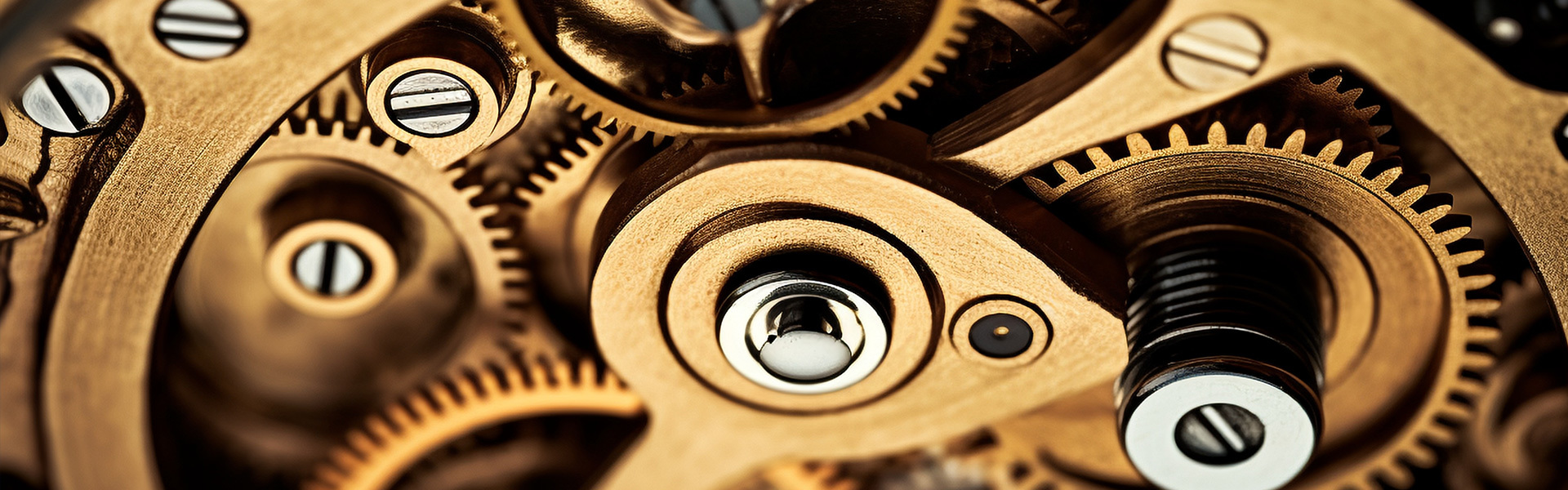
At the heart of every watch is its movement, the intricate mechanism that keeps time. There are primarily three types of movements: mechanical, automatic, and quartz. Mechanical movements are powered by a series of gears and springs, requiring manual winding. Automatic movements, a subtype of mechanical, harness energy from the wearer's motion to wind the spring, making them convenient for daily use. Quartz movements, on the other hand, utilize a battery and a quartz crystal to provide accurate timekeeping, making them a popular choice for everyday watches.
The craftsmanship of watches can be seen in the materials used. Premium watches often feature high-quality metals, such as stainless steel, titanium, or precious metals like gold and platinum. The watch face, or dial, can be made from various materials, including glass, synthetic sapphire, or mineral crystal, each offering different levels of scratch resistance and clarity. Additionally, complications, or features beyond mere timekeeping, such as chronographs, calendars, and moon phases, add both functionality and aesthetic appeal to watches.
Watches also serve as status symbols, reflecting one's personal style and professionalism. The choice of a watch can communicate a lot about an individual, from their taste in design to their appreciation for craftsmanship. For professionals, wearing a well-crafted watch can enhance one’s image, promoting confidence and sophistication in a business setting.
In recent years, technology has significantly impacted the watch industry with the rise of smartwatches. These devices offer functionalities that extend beyond traditional timekeeping, including fitness tracking, notifications, and even mobile payments. However, the charm of classic watches remains, as many appreciate the artistry and mechanical genius behind traditional timepieces.
In conclusion, understanding watches goes beyond their practical use; it's about appreciating the craftsmanship, technology, and style they embody. Whether you're a seasoned collector or someone looking to make a thoughtful purchase, knowing the ins and outs of watches will enrich your experience and enhance your professional persona. Embrace the art of watches, and let it inspire your journey in both personal and professional realms.
At the heart of every watch is its movement, the intricate mechanism that keeps time. There are primarily three types of movements: mechanical, automatic, and quartz. Mechanical movements are powered by a series of gears and springs, requiring manual winding. Automatic movements, a subtype of mechanical, harness energy from the wearer's motion to wind the spring, making them convenient for daily use. Quartz movements, on the other hand, utilize a battery and a quartz crystal to provide accurate timekeeping, making them a popular choice for everyday watches.
The craftsmanship of watches can be seen in the materials used. Premium watches often feature high-quality metals, such as stainless steel, titanium, or precious metals like gold and platinum. The watch face, or dial, can be made from various materials, including glass, synthetic sapphire, or mineral crystal, each offering different levels of scratch resistance and clarity. Additionally, complications, or features beyond mere timekeeping, such as chronographs, calendars, and moon phases, add both functionality and aesthetic appeal to watches.
Watches also serve as status symbols, reflecting one's personal style and professionalism. The choice of a watch can communicate a lot about an individual, from their taste in design to their appreciation for craftsmanship. For professionals, wearing a well-crafted watch can enhance one’s image, promoting confidence and sophistication in a business setting.
In recent years, technology has significantly impacted the watch industry with the rise of smartwatches. These devices offer functionalities that extend beyond traditional timekeeping, including fitness tracking, notifications, and even mobile payments. However, the charm of classic watches remains, as many appreciate the artistry and mechanical genius behind traditional timepieces.
In conclusion, understanding watches goes beyond their practical use; it's about appreciating the craftsmanship, technology, and style they embody. Whether you're a seasoned collector or someone looking to make a thoughtful purchase, knowing the ins and outs of watches will enrich your experience and enhance your professional persona. Embrace the art of watches, and let it inspire your journey in both personal and professional realms.
Recommended News
Contact Us
Service Hotline
Add:A1, Room 1301, Block 1, Jiabang Guojin Center, No.1 South Shilong Road, Guicheng Street, Nanhai District, Foshan, China

Service Hotline
Add:A1, Room 1301, Block 1, Jiabang Guojin Center, No.1 South Shilong Road, Guicheng Street, Nanhai District, Foshan, China
Online Inquiry