
News
Loved By The People And Close To The People
The Fascinating Evolution of Automatic Watches and Their Iconic Day-Date Functionality
2025-02-20

The Fascinating Evolution of Automatic Watches and Their Iconic Day-Date Functionality
Automatic watches have transformed the way we perceive timekeeping, combining artistry, precision, and convenience. Their intricate designs and innovative mechanisms have fascinated enthusiasts and collectors alike. In this article, we delve into the rich history of automatic watches, focusing specifically on the intriguing day-date functionality that has become a hallmark of many iconic timepieces. Let’s embark on this captivating journey through time, craftsmanship, and technology.
Table of Contents
- Understanding Automatic Watches: A Brief Overview
- The Early History of Automatic Watches
- The Mechanics Behind Automatic Movement
- The Inception of Day-Date Functionality in Watches
- The Importance of Day-Date Watches in Modern Horology
- Notable Brands and Their Iconic Day-Date Models
- Collecting Day-Date Watches: What You Need to Know
- The Future of Automatic Watches and Day-Date Functionality
- FAQs About Automatic Watches and Day-Date Functionality
Understanding Automatic Watches: A Brief Overview
Automatic watches, also known as self-winding watches, are mechanical timepieces that harness the energy generated by the wearer’s movement. Unlike quartz watches powered by batteries, automatic watches utilize a complex system of gears and springs to keep time. This unique feature not only showcases superior craftsmanship but also appeals to watch aficionados who appreciate the intricate mechanics behind these devices.
The Early History of Automatic Watches
The roots of automatic watches can be traced back to the 18th century. The first known automatic device was developed by the British clockmaker George Graham in 1715. However, it wasn't until the late 1920s that the first practical automatic wristwatch was produced. Swiss watchmaker John Harwood patented his design in 1923, which led to the mass production of automatic watches throughout the 1930s.
During this period, several noteworthy innovations emerged. Brands like Rolex and Omega began to refine the self-winding mechanism, creating durable movements that could withstand the test of time. The popularity of automatic watches surged, particularly after World War II when soldiers returning from combat sought reliable and stylish timepieces.
The Mechanics Behind Automatic Movement
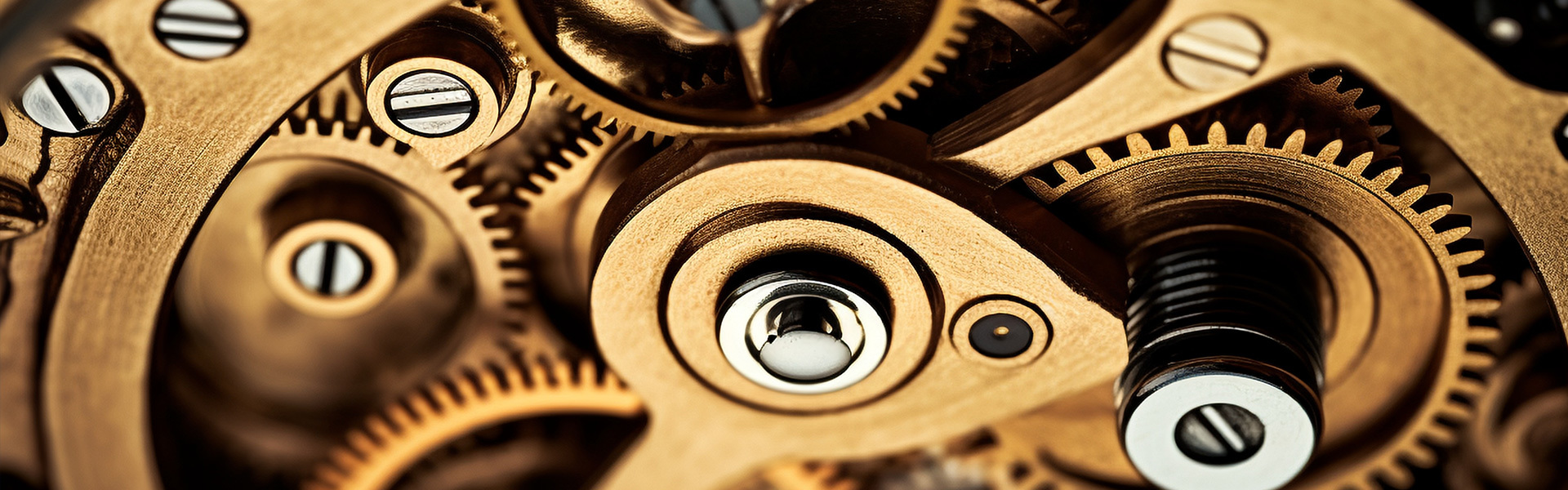
The heart of an automatic watch lies in its movement. The fundamental principle behind its operation is the rotor—a semi-circular weight that pivots on a central axis. As the wearer moves their wrist, the rotor spins, winding the mainspring and storing energy. This process eliminates the need for batteries, allowing the watch to function continuously with regular wear.
Inside an automatic watch, you’ll find various components, including gears, escapements, and balance wheels, all working in harmony to maintain accurate time. The precision engineering involved in crafting these parts is nothing short of extraordinary, showcasing the artistry of watchmaking at its finest.
The Inception of Day-Date Functionality in Watches
The day-date complication—displaying both the day of the week and the date of the month—was first introduced into wristwatches in the mid-20th century. The innovation was pioneered by Rolex in 1956 with the release of the Rolex Day-Date. This remarkable timepiece combined the automatic movement with the day-date functionality, making it a favorite among discerning watch collectors and enthusiasts.
This feature not only enhanced the watch's functionality but also improved its aesthetic appeal. The day-date functionality quickly became a hallmark of luxury timepieces, allowing wearers to have both practical and stylish watches on their wrists.
The Importance of Day-Date Watches in Modern Horology
Day-date watches hold significant importance in the world of horology. They embody a perfect blend of function and fashion, catering to modern lifestyles. The ability to easily track the day and date ensures that wearers remain organized and punctual, making it an essential feature for busy professionals.
Moreover, day-date watches often serve as status symbols. The presence of this complication on a timepiece is a testament to the watchmaker’s expertise and dedication to craftsmanship. It's no surprise that luxury brands continue to produce exquisite models featuring this functionality, appealing to collectors who value both tradition and innovation.
Notable Brands and Their Iconic Day-Date Models
Several prominent watch brands have made their mark with notable day-date models. Rolex, for instance, revolutionized the market with the Day-Date, a timepiece that has become synonymous with prestige. Its robust construction and classic design have made it a favorite among influential figures worldwide.
Omega also has a significant presence in this domain, offering models such as the Seamaster Aqua Terra, which showcases both elegance and functionality. Other brands like Seiko and Patek Philippe have crafted day-date models that reflect their unique design philosophies, appealing to different segments of watch enthusiasts.
Collecting Day-Date Watches: What You Need to Know
For those looking to delve into the world of watch collecting, day-date watches present a fascinating niche. When collecting these timepieces, consider the following:
1. Understand the Brand Heritage
Research the brand's history and its contribution to watchmaking. Brands with a rich heritage often have timepieces that appreciate in value over time.
2. Condition and Rarity
The condition of a watch significantly influences its value. Limited editions or models that are no longer in production tend to be more sought after by collectors.
3. Authenticity
Ensure that the watch comes with the necessary paperwork and authenticity certificates. Counterfeit watches can be prevalent in the market, so it's crucial to buy from reputable dealers.
4. Maintenance
Regular servicing is essential to keep automatic watches in optimal condition. Familiarize yourself with the wear and care guidelines specific to your timepiece.
The Future of Automatic Watches and Day-Date Functionality
As technology continues to evolve, the future of automatic watches looks promising. The integration of advanced materials and innovative designs will likely enhance the functionality and durability of these timepieces. Moreover, the rise of smartwatches has sparked a renewed interest in traditional watchmaking, as many consumers seek the elegance and craftsmanship that only mechanical watches can offer.
The day-date functionality will undoubtedly continue to play a significant role in this evolution. As watchmakers explore new ways to enhance this feature, collectors can anticipate exciting developments that marry tradition with modernity.
FAQs About Automatic Watches and Day-Date Functionality
1. What is the main difference between quartz and automatic watches?
Quartz watches are battery-powered and use a vibrating quartz crystal to keep time, while automatic watches are mechanical and powered by the movement of the wearer’s wrist.
2. How do I care for my automatic watch?
Regular servicing, storing it in a watch box, and avoiding exposure to extreme temperatures and magnets will help maintain its functionality and longevity.
3. Can I wear an automatic watch while swimming?
Most automatic watches designed for daily wear are water-resistant, but it is essential to check the specifications before exposure to water.
4. What brands are known for their day-date functionality?
Rolex, Omega, Patek Philippe, and Seiko are among the most notable brands recognized for their exceptional day-date models.
5. How can I tell if my automatic watch needs servicing?
Signs that your watch may need servicing include inconsistent timekeeping, unusual noises, or visible wear and tear.
Conclusion
Automatic watches represent a rich tapestry of history, craftsmanship, and innovation. The introduction of day-date functionality has only enhanced their allure, offering wearers both practicality and style. As we look to the future of horology, it's clear that automatic watches with day-date features will continue to captivate the hearts of enthusiasts and collectors around the world. Whether you're a seasoned collector or a newcomer, understanding the evolution and significance of these timepieces enriches your appreciation for the art of watchmaking.
Recommended News
Contact Us
Service Hotline
Add:A1, Room 1301, Block 1, Jiabang Guojin Center, No.1 South Shilong Road, Guicheng Street, Nanhai District, Foshan, China

Service Hotline
Add:A1, Room 1301, Block 1, Jiabang Guojin Center, No.1 South Shilong Road, Guicheng Street, Nanhai District, Foshan, China
Online Inquiry