
News
Loved By The People And Close To The People
The Intricacies of Automatic Mechanical Watch Movements: A Comprehensive Guide
2025-02-13

Automatic mechanical watch movements are a remarkable blend of artistry and engineering, captivating horology enthusiasts and professionals worldwide. These movements are designed to harness the energy generated by the natural motion of the wearer’s wrist, eliminating the need for batteries. Understanding the mechanics behind automatic movements not only enhances appreciation for these timepieces but also highlights their unique advantages.
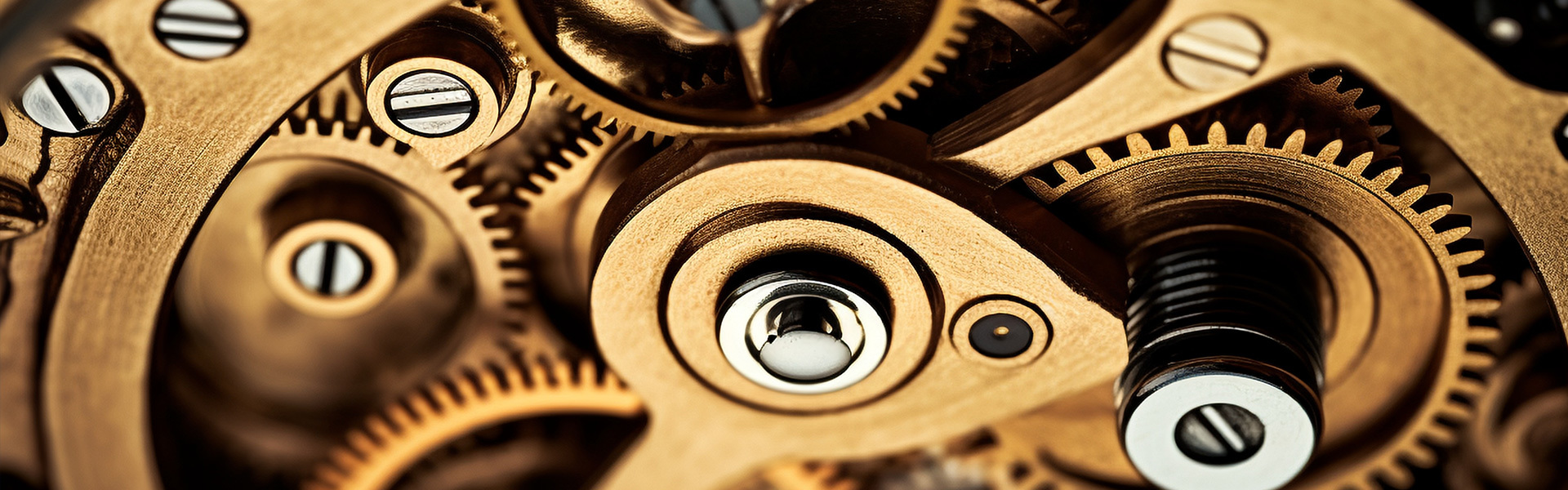
At the heart of an automatic mechanical watch is a complex system of gears and springs. The movement is powered by a rotor, a semi-circular weight that pivots freely on a central axis. As the wearer moves their wrist, the rotor spins, winding the mainspring, which stores energy. This ingenious mechanism ensures that the watch remains powered, as long as it is worn regularly. If left unworn for an extended period, however, the watch may require manual winding to keep it running.
One of the most appealing aspects of automatic mechanical watch movements is their durability and longevity. Unlike quartz movements, which rely on batteries that need replacement, automatic watches can last for generations with proper care. Many enthusiasts appreciate the craftsmanship involved in creating these movements, as they often showcase intricate decorations and finishing techniques, such as Côtes de Genève or perlage, which enhance both their aesthetic and functional qualities.
Moreover, automatic watches often feature a transparent case back, allowing wearers to admire the intricate movements in action. This transparency not only highlights the artistry involved but also serves to educate and inspire a deeper connection to the tradition of watchmaking. The combination of mechanical complexity and visual appeal makes automatic mechanical watch movements a perennial favorite among collectors.
In terms of accuracy, while automatic movements may not be as precise as quartz movements, they offer a charm that many find irresistible. The slight variations in timekeeping are often seen as a testament to the craftsmanship and human artistry involved in the creation of mechanical watches. For professionals in the field, understanding these nuances can enhance their expertise and elevate their ability to recommend the right timepiece for clients.
In summary, automatic mechanical watch movements represent a harmonious fusion of tradition, engineering, and artistry. Their ability to convert motion into energy without the need for batteries, coupled with their longevity and aesthetic appeal, make them a sought-after choice for watch lovers. Whether you are a seasoned collector or a newcomer to the world of horology, appreciating the intricacies of these movements can deepen your understanding and enhance your enjoyment of fine timepieces.
At the heart of an automatic mechanical watch is a complex system of gears and springs. The movement is powered by a rotor, a semi-circular weight that pivots freely on a central axis. As the wearer moves their wrist, the rotor spins, winding the mainspring, which stores energy. This ingenious mechanism ensures that the watch remains powered, as long as it is worn regularly. If left unworn for an extended period, however, the watch may require manual winding to keep it running.
One of the most appealing aspects of automatic mechanical watch movements is their durability and longevity. Unlike quartz movements, which rely on batteries that need replacement, automatic watches can last for generations with proper care. Many enthusiasts appreciate the craftsmanship involved in creating these movements, as they often showcase intricate decorations and finishing techniques, such as Côtes de Genève or perlage, which enhance both their aesthetic and functional qualities.
Moreover, automatic watches often feature a transparent case back, allowing wearers to admire the intricate movements in action. This transparency not only highlights the artistry involved but also serves to educate and inspire a deeper connection to the tradition of watchmaking. The combination of mechanical complexity and visual appeal makes automatic mechanical watch movements a perennial favorite among collectors.
In terms of accuracy, while automatic movements may not be as precise as quartz movements, they offer a charm that many find irresistible. The slight variations in timekeeping are often seen as a testament to the craftsmanship and human artistry involved in the creation of mechanical watches. For professionals in the field, understanding these nuances can enhance their expertise and elevate their ability to recommend the right timepiece for clients.
In summary, automatic mechanical watch movements represent a harmonious fusion of tradition, engineering, and artistry. Their ability to convert motion into energy without the need for batteries, coupled with their longevity and aesthetic appeal, make them a sought-after choice for watch lovers. Whether you are a seasoned collector or a newcomer to the world of horology, appreciating the intricacies of these movements can deepen your understanding and enhance your enjoyment of fine timepieces.
Recommended News
Contact Us
Service Hotline
Add:A1, Room 1301, Block 1, Jiabang Guojin Center, No.1 South Shilong Road, Guicheng Street, Nanhai District, Foshan, China

Service Hotline
Add:A1, Room 1301, Block 1, Jiabang Guojin Center, No.1 South Shilong Road, Guicheng Street, Nanhai District, Foshan, China
Online Inquiry