
News
Loved By The People And Close To The People
Discover the Elegance of Automatic Mechanical Watches for Men
2025-01-25

Discover the Elegance of Automatic Mechanical Watches for Men
In the ever-evolving landscape of horology, **automatic mechanical watches** stand out for their intricate engineering and timeless appeal. For men who appreciate both style and functionality, these watches represent more than just timekeeping; they embody a legacy of craftsmanship and artistry. This article will explore the elegance of automatic mechanical watches, shedding light on their history, features, and why they remain a coveted choice for discerning individuals.
Table of Contents
- 1. The History of Automatic Mechanical Watches
- 2. Understanding Automatic Mechanical Movements
- 3. Features and Benefits of Automatic Watches
- 4. Popular Brands and Models of Automatic Mechanical Watches
- 5. How to Select the Perfect Automatic Watch
- 6. Maintenance and Care Tips for Automatic Watches
- 7. The Role of Design in Automatic Watches
- 8. Conclusion
- FAQs about Automatic Mechanical Watches
1. The History of Automatic Mechanical Watches
The journey of automatic mechanical watches began in the 18th century. The invention of the **self-winding mechanism**, a pivotal development in watchmaking, allowed timepieces to wind themselves through the movement of the wearer's wrist. This innovation revolutionized how people interacted with their watches, eliminating the need for manual winding and enhancing convenience.
By the 1920s, automatic watches had become increasingly popular, thanks to pioneers like **Rolex** and **Jaeger-LeCoultre**, who refined the technology. This era marked a significant transition from purely manual winding to more sophisticated automatic mechanisms, setting the stage for the modern automatic watches we enjoy today.
2. Understanding Automatic Mechanical Movements
At the core of every **automatic mechanical watch** is its movement, known as the caliber. Automatic movements utilize a rotor, a semicircular piece that moves freely within the case, winding the mainspring as it rotates. This process harnesses kinetic energy generated by the wearer's wrist movements, allowing the watch to maintain its power reserve.
The Mechanics Behind Automatic Movements
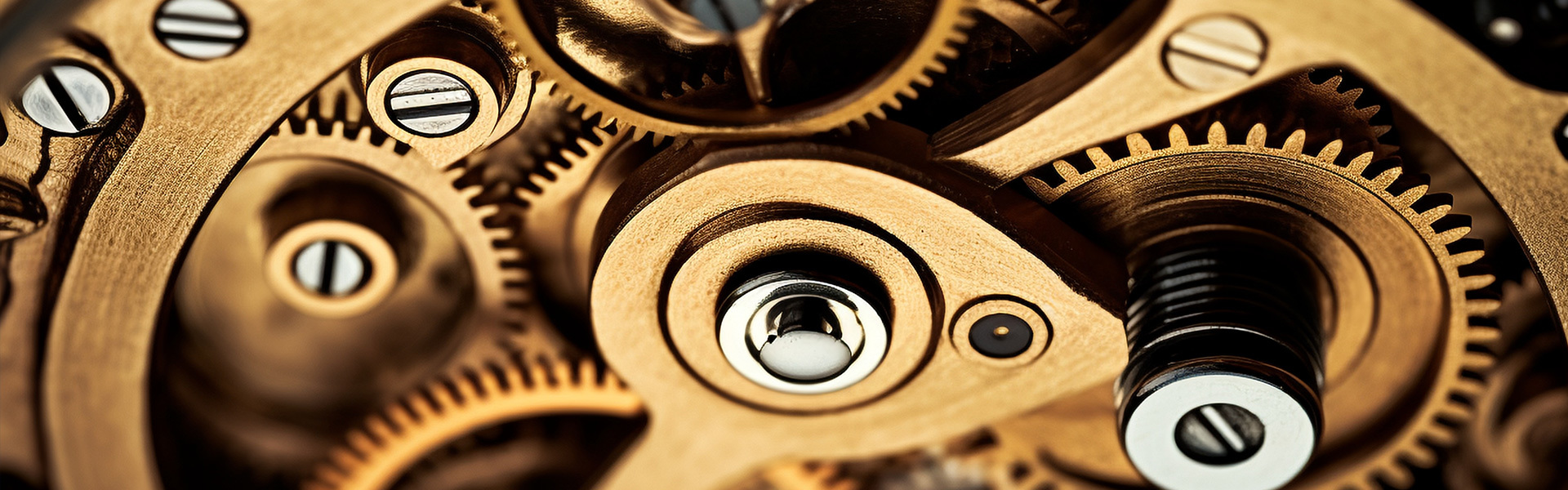
Unlike quartz watches that rely on batteries, automatic watches feature intricate gears and springs that work together seamlessly. The precision involved in crafting these movements is a testament to the artistry of watchmakers. An automatic watch can often be identified by its sweeping second hand, a hallmark of its continuous movement.
The Types of Automatic Movements
There are two primary types of automatic movements: **in-house movements** and **modified movements**. In-house movements are designed and manufactured by the watch brand itself, showcasing their unique engineering and innovation. Modified movements, on the other hand, are based on existing calibers but are customized to meet the brand's specifications, offering a blend of reliability and individuality.
3. Features and Benefits of Automatic Watches
Choosing an automatic mechanical watch comes with a host of benefits that appeal to the modern man. Here are some key features that enhance their desirability:
Durability and Longevity
Automatic watches are built to last. Crafted from premium materials such as stainless steel, gold, and sapphire crystal, these timepieces can withstand the test of time when properly maintained. Their mechanical nature also means that, unlike quartz watches, they do not require battery replacements, increasing their lifespan significantly.
Craftsmanship and Artistry
The intricate craftsmanship involved in creating an automatic watch is unparalleled. From the detailed engravings on the movement to the exquisite finishing of the dial, each watch is a work of art. Wearing an automatic watch is like wearing a piece of history and artistry on your wrist.
Value Retention
Automatic watches often retain their value better than quartz watches, especially those from prestigious brands. As a collector's item, a well-maintained automatic watch can appreciate over time, making it an investment as well as a fashion statement.
4. Popular Brands and Models of Automatic Mechanical Watches
The world of automatic mechanical watches is rich with options. Here, we explore some of the most esteemed brands and their iconic models:
Rolex
Rolex is synonymous with luxury and precision. Their **Submariner** and **Datejust** models are not only popular among enthusiasts but also serve as status symbols. With their robust design and flawless movement, Rolex watches epitomize the elegance of automatic timepieces.
Tag Heuer
Renowned for their sporty aesthetics, **Tag Heuer** offers a range of automatic watches perfect for those who lead an active lifestyle. The **Carrera** series is particularly celebrated for its innovative design and chronograph functionality.
Omega
With a rich history in space exploration, Omega’s **Speedmaster** and **Seamaster** models have captivated watch lovers worldwide. Known for their precision and durability, Omega watches are a favorite for both casual wear and formal occasions.
Seiko
Offering excellent value for money, **Seiko** has a reputation for producing high-quality automatic watches that cater to a wide range of consumers. The **Seiko 5** series is a great entry point for those looking to explore automatic timepieces.
5. How to Select the Perfect Automatic Watch
Finding the perfect automatic mechanical watch involves several considerations:
Determine Your Style
Watches come in various styles, including dress, casual, and sporty. Assess your wardrobe and lifestyle to ascertain which design complements your aesthetic. A classic dress watch in a sleek design may be ideal for formal settings, while a rugged dive watch suits outdoor adventures.
Consider the Size and Fit
When choosing an automatic watch, pay attention to the case size and strap material. A well-fitting watch should feel comfortable on your wrist without being overly tight or loose. Most men's watches typically range from 38mm to 44mm in diameter.
Research the Movement
Understanding the movement is crucial. Some individuals prefer watches with in-house movements due to their unique engineering, while others may opt for modified movements for reliability. Knowing the specifics can enhance your appreciation for the watch.
6. Maintenance and Care Tips for Automatic Watches
To ensure your automatic mechanical watch remains in excellent condition, consider these maintenance tips:
Regular Winding
If not worn regularly, it is advisable to wind the watch manually once a month to keep the lubricants inside the movement evenly distributed. This practice helps maintain accuracy and prolongs the lifespan of the watch.
Clean and Protect
Keep your watch clean by wiping it with a soft, lint-free cloth after wearing it. Avoid exposing the watch to harsh chemicals, moisture, and extreme temperatures, as these elements can damage the watch's exterior and internal components.
Professional Servicing
Consider having your watch serviced by a professional every 3 to 5 years. A certified watchmaker can clean, lubricate, and adjust the movement, ensuring optimal performance.
7. The Role of Design in Automatic Watches
The design of an automatic watch plays a significant role in its overall appeal. A well-designed watch should seamlessly blend functionality with aesthetics. Considerations such as dial layout, color schemes, and strap materials contribute to the watch's character.
Dials and Hands
The dial is the centerpiece of any watch. An intricate dial with clear markers enhances readability, while unique hands can add a touch of elegance. Brands often experiment with different materials, including mother-of-pearl and enamel, to create stunning visual effects.
Straps and Bracelets
The choice of strap or bracelet can dramatically affect the watch's style. Leather straps impart a classic and sophisticated look, while metal bracelets offer a sporty flair. Some brands even provide interchangeable straps, allowing wearers to customize their look for various occasions.
8. Conclusion
Automatic mechanical watches embody a rich blend of artistry, engineering, and heritage. As we continue to explore the elegance these timepieces offer, it becomes evident that they are more than just instruments for telling time; they are statements of style and craftsmanship. Whether you're a seasoned collector or a first-time buyer, investing in an automatic watch is a decision rooted in appreciating the finer things in life. Embrace the elegance and sophistication of automatic mechanical watches, and let them become a cherished part of your personal style.
FAQs about Automatic Mechanical Watches
1. What is an automatic mechanical watch?
An automatic mechanical watch is powered by the movement of the wearer's wrist. It uses a self-winding mechanism to store energy, eliminating the need for battery replacements.
2. How often should I wind my automatic watch?
If worn regularly, automatic watches will self-wind. If not worn for a while, it's advisable to wind them manually at least once a month to keep lubricants evenly distributed.
3. Can automatic watches be water-resistant?
Many automatic watches offer water resistance, but the level varies by model. Always check the manufacturer's specifications for water resistance ratings.
4. What maintenance do automatic watches require?
Regular cleaning and professional servicing every 3 to 5 years are recommended to maintain accuracy and prolong the watch's lifespan.
5. Are automatic watches suitable for everyday wear?
Yes, many automatic watches are designed for everyday wear. Choose a model that fits your lifestyle and personal style to enjoy its elegance all day long.
Recommended News
Contact Us
Service Hotline
Add:A1, Room 1301, Block 1, Jiabang Guojin Center, No.1 South Shilong Road, Guicheng Street, Nanhai District, Foshan, China

Service Hotline
Add:A1, Room 1301, Block 1, Jiabang Guojin Center, No.1 South Shilong Road, Guicheng Street, Nanhai District, Foshan, China
Online Inquiry