
News
Loved By The People And Close To The People
The Intricate World of Automatic Mechanical Watch Movement
2025-01-22

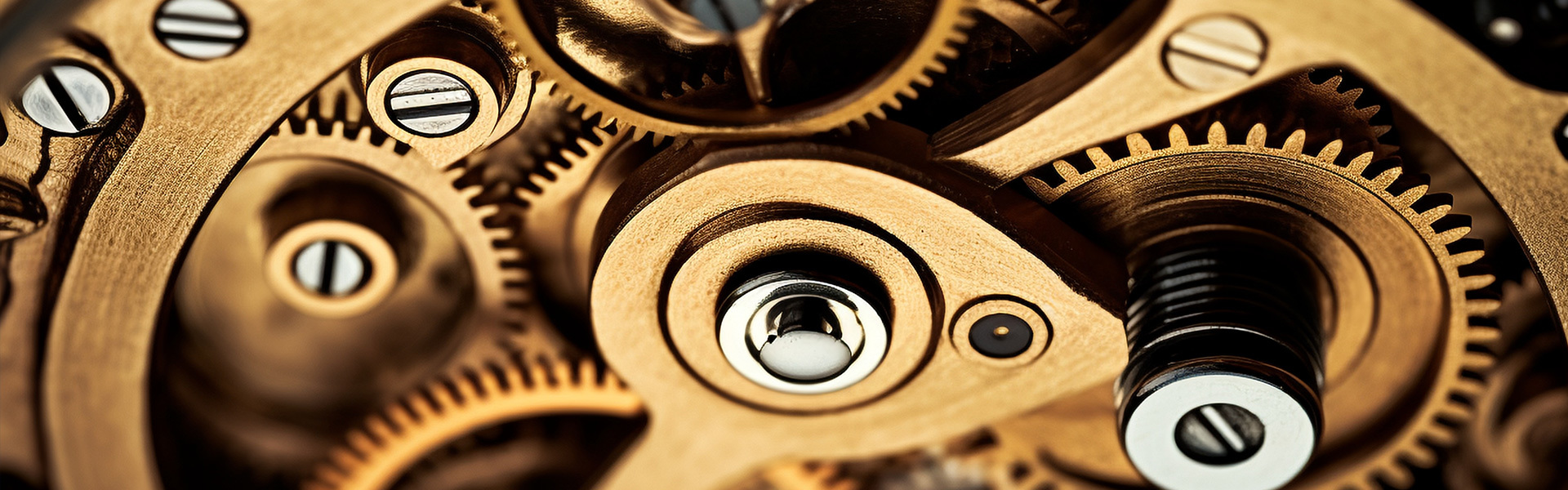
Automatic mechanical watch movement represents a remarkable fusion of artistry, engineering, and precision in horology. Unlike quartz watches, which rely on batteries, automatic watches harness the power of motion to keep time, making them an appealing choice for many watch aficionados. The heart of an automatic watch is its movement, a complex assembly of gears, springs, and levers that work harmoniously to track the passage of time.
At the core of the automatic mechanical watch movement is the rotor. This semi-circular piece of metal spins as the wearer moves their wrist, winding the mainspring. The mainspring is a tightly coiled spring that stores energy, which is then released gradually to drive the movement of the watch hands. This self-winding mechanism means that as long as the watch is worn regularly, it remains powered without the need for manual winding or battery replacement.
The complexity of automatic movements is often what sets high-quality timepieces apart. Watchmakers meticulously design and assemble these movements, often incorporating additional features such as date functions, chronographs, and even minute repeaters. The craftsmanship involved in creating these movements can be seen through the transparent case backs of many luxury watches, allowing enthusiasts to admire the intricate workings and fine finishes of the gears and decorations.
One of the key advantages of automatic watches is their longevity. With proper care, they can last for decades, even generations. Additionally, automatic movements are often regarded as more environmentally friendly since they eliminate the need for batteries. This sustainable aspect aligns well with the growing interest in eco-conscious consumerism.
However, potential buyers should be aware that automatic watches do require some maintenance. They benefit from regular servicing every few years to ensure that the movement functions smoothly and to prevent any wear and tear. It is also important to store automatic watches correctly when not in use, as prolonged inactivity can lead to them stopping and necessitating a reset or winding.
In summary, an automatic mechanical watch movement is not just a timekeeping device; it is a testament to human ingenuity and craftsmanship. The combination of engineering excellence, aesthetic beauty, and sustainable operation makes automatic watches a revered choice for many. Whether you’re a seasoned collector or a newcomer to the world of horology, understanding the intricacies of automatic movements can deepen your appreciation for these remarkable timepieces.
At the core of the automatic mechanical watch movement is the rotor. This semi-circular piece of metal spins as the wearer moves their wrist, winding the mainspring. The mainspring is a tightly coiled spring that stores energy, which is then released gradually to drive the movement of the watch hands. This self-winding mechanism means that as long as the watch is worn regularly, it remains powered without the need for manual winding or battery replacement.
The complexity of automatic movements is often what sets high-quality timepieces apart. Watchmakers meticulously design and assemble these movements, often incorporating additional features such as date functions, chronographs, and even minute repeaters. The craftsmanship involved in creating these movements can be seen through the transparent case backs of many luxury watches, allowing enthusiasts to admire the intricate workings and fine finishes of the gears and decorations.
One of the key advantages of automatic watches is their longevity. With proper care, they can last for decades, even generations. Additionally, automatic movements are often regarded as more environmentally friendly since they eliminate the need for batteries. This sustainable aspect aligns well with the growing interest in eco-conscious consumerism.
However, potential buyers should be aware that automatic watches do require some maintenance. They benefit from regular servicing every few years to ensure that the movement functions smoothly and to prevent any wear and tear. It is also important to store automatic watches correctly when not in use, as prolonged inactivity can lead to them stopping and necessitating a reset or winding.
In summary, an automatic mechanical watch movement is not just a timekeeping device; it is a testament to human ingenuity and craftsmanship. The combination of engineering excellence, aesthetic beauty, and sustainable operation makes automatic watches a revered choice for many. Whether you’re a seasoned collector or a newcomer to the world of horology, understanding the intricacies of automatic movements can deepen your appreciation for these remarkable timepieces.
Recommended News
Contact Us
Service Hotline
Add:A1, Room 1301, Block 1, Jiabang Guojin Center, No.1 South Shilong Road, Guicheng Street, Nanhai District, Foshan, China

Service Hotline
Add:A1, Room 1301, Block 1, Jiabang Guojin Center, No.1 South Shilong Road, Guicheng Street, Nanhai District, Foshan, China
Online Inquiry