
News
Loved By The People And Close To The People
How to Choose the Perfect Automatic Mechanical Watch for Men
2025-11-10

How to Choose the Perfect Automatic Mechanical Watch for Men
Understanding Automatic Mechanical Watches
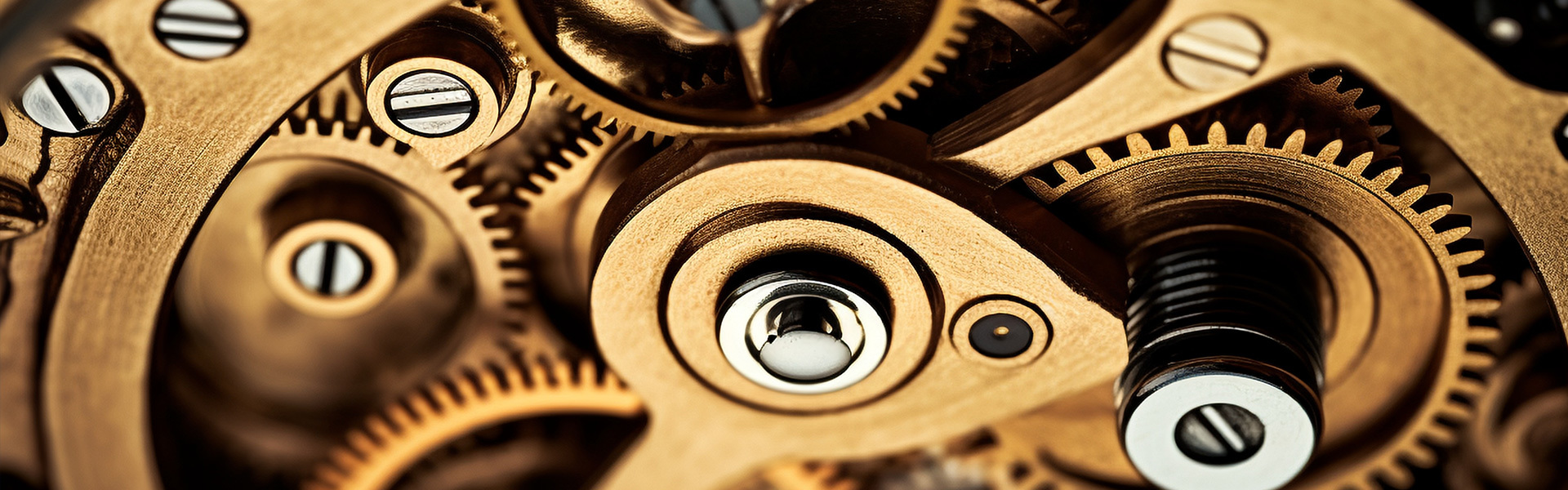
Automatic mechanical watches are a blend of artistry and technology. They operate without the need for batteries, relying instead on the natural motion of the wearer's wrist. This self-winding mechanism harnesses kinetic energy, making it a sustainable choice for watch enthusiasts. Understanding how these watches function sets the foundation for making an informed purchase.
The History of Automatic Watches
The journey of automatic watches dates back to the 18th century, with significant advancements occurring throughout the 20th century. Renowned brands like Rolex and Omega pioneered automatic technology, establishing benchmarks for precision and durability. Knowing this history can enhance your appreciation for the craftsmanship involved.
The Importance of Craftsmanship in Watchmaking
When selecting an automatic mechanical watch, the quality of craftsmanship should be a primary consideration. The assembly of a watch involves intricate processes, often performed by skilled artisans. Each component, from the movement to the casing, must meet high standards of quality to ensure longevity and functionality.
Recognizing Quality Markers
Look for brands that emphasize their heritage and dedication to craftsmanship. Features like hand-finished movements, polished cases, and high-quality materials are indicators of a well-crafted watch. Certifications, such as the Swiss Made label, also assure you of the watch's quality.
Key Features to Look For in an Automatic Watch
Automatic watches come with a variety of features that enhance their functionality. Understanding these features can help you choose a watch that meets your specific needs.
Water Resistance
For those who lead an active lifestyle, water resistance is crucial. Look for watches with a minimum water resistance rating of 30 meters for everyday wear, while 100 meters is ideal for swimming and diving.
Power Reserve
The power reserve is the duration an automatic watch can run when not worn. A standard power reserve ranges from 40 to 80 hours. Selecting a watch with a robust power reserve allows flexibility in wear.
Chronograph Functionality
Many automatic watches come with a chronograph function, offering stopwatch capabilities. This feature is particularly appealing for sports enthusiasts who require precise timing metrics.
Choosing the Right Material for Your Watch
The material of the watch case and strap impacts both aesthetics and durability. Common materials include stainless steel, gold, titanium, and ceramics. Each material has unique properties that cater to different preferences.
Stainless Steel vs. Gold
Stainless steel is favored for its strength and resistance to corrosion, making it a practical choice for everyday wear. Gold, while luxurious, requires more maintenance and is often chosen for formal occasions.
Strap Material Options
Straps can be made from metal, leather, rubber, or fabric. Metal straps are durable and provide a classic look, while leather offers elegance and comfort. Rubber is ideal for sports and outdoor activities.
Watch Movements Explained
Understanding the different types of watch movements can help you choose a watch that suits your preferences. While automatic movements are popular, manual and quartz movements also have distinct characteristics.
Automatic vs. Manual Movements
Automatic movements wind themselves through wrist movement, whereas manual movements require periodic winding by hand. Automatic watches are generally more convenient but may require a service every few years to maintain their precision.
The Role of Quartz Movements
Quartz movements utilize battery power and are known for their accuracy. While they lack the mechanical charm of automatic watches, they are often more affordable and easier to maintain.
Size and Fit Considerations
The size and fit of a watch can greatly affect its wearability. The watch diameter and thickness should complement the wearer's wrist size.
Finding the Right Diameter
Wrist sizes vary, and so do watch diameters. Generally, watches ranging from 38mm to 44mm are considered standard for men. Trying on different sizes can provide a better sense of what suits you.
Bracelet and Strap Adjustments
Ensuring the watch fits comfortably on your wrist is essential. Many watches offer adjustable straps or links, allowing for a customized fit. A well-fitted watch not only looks better but also enhances comfort.
Style Preferences and Personal Taste
Your choice of watch should reflect your personal style and the occasions for which you'll wear it. From casual to formal, various styles are available to suit different tastes.
Classic vs. Contemporary Designs
Classic watches often feature simple dials and traditional designs, making them versatile for any occasion. Contemporary watches may boast innovative features, bold colors, and unique shapes. Consider which style resonates more with you.
Watch Color and Dial Configuration
The watch color and dial configuration can significantly impact its overall appearance. Neutral tones like silver, gold, or black are timeless, while vibrant colors can make a statement. Dials can range from minimalist to highly detailed, allowing for personal expression.
Budgeting For Your Perfect Watch
Setting a budget is crucial when searching for an automatic mechanical watch. Prices can vary significantly based on brand, features, and materials.
Understanding Price Ranges
Entry-level automatic watches can start around $200, while luxury models may exceed several thousand dollars. Determine what features are essential and where you can compromise to find the best watch within your budget.
Buying Pre-Owned vs. New
Considering pre-owned watches can offer significant savings. However, ensure that you buy from reputable dealers to avoid counterfeit products. Pre-owned watches can also provide a unique character that new models may lack.
Frequently Asked Questions
1. How do I maintain my automatic mechanical watch?
Regular winding and periodic servicing by a professional will keep your watch running smoothly. Avoid exposing it to extreme conditions to prolong its lifespan.
2. Can I wear my automatic watch while swimming?
It depends on the water resistance rating. Always check the manufacturer's specifications before exposing your watch to water.
3. What should I do if my watch stops running?
First, try winding it manually. If it remains stopped, consult a professional watchmaker for further assessment.
4. How often should I have my automatic watch serviced?
It is recommended to service your watch every 3 to 5 years to ensure optimal performance.
5. Is it worth investing in a luxury automatic watch?
Luxury watches often come with superior craftsmanship and heritage, making them a worthwhile investment for enthusiasts and collectors.
Conclusion
Selecting the perfect automatic mechanical watch for men involves a balanced consideration of craftsmanship, features, materials, and personal style. By understanding the intricacies of watch movements, maintenance, and budget, you can make an informed decision that reflects both your personality and needs. A well-chosen watch not only serves as a functional accessory but also becomes a timeless statement piece that can be cherished for years to come.
Recommended News
Contact Us
Service Hotline
Add:A1, Room 1301, Block 1, Jiabang Guojin Center, No.1 South Shilong Road, Guicheng Street, Nanhai District, Foshan, China

Service Hotline
Add:A1, Room 1301, Block 1, Jiabang Guojin Center, No.1 South Shilong Road, Guicheng Street, Nanhai District, Foshan, China
Online Inquiry