
News
Loved By The People And Close To The People
The Allure of Skeleton Watches: A Glimpse into Horological Artistry
2026-05-14

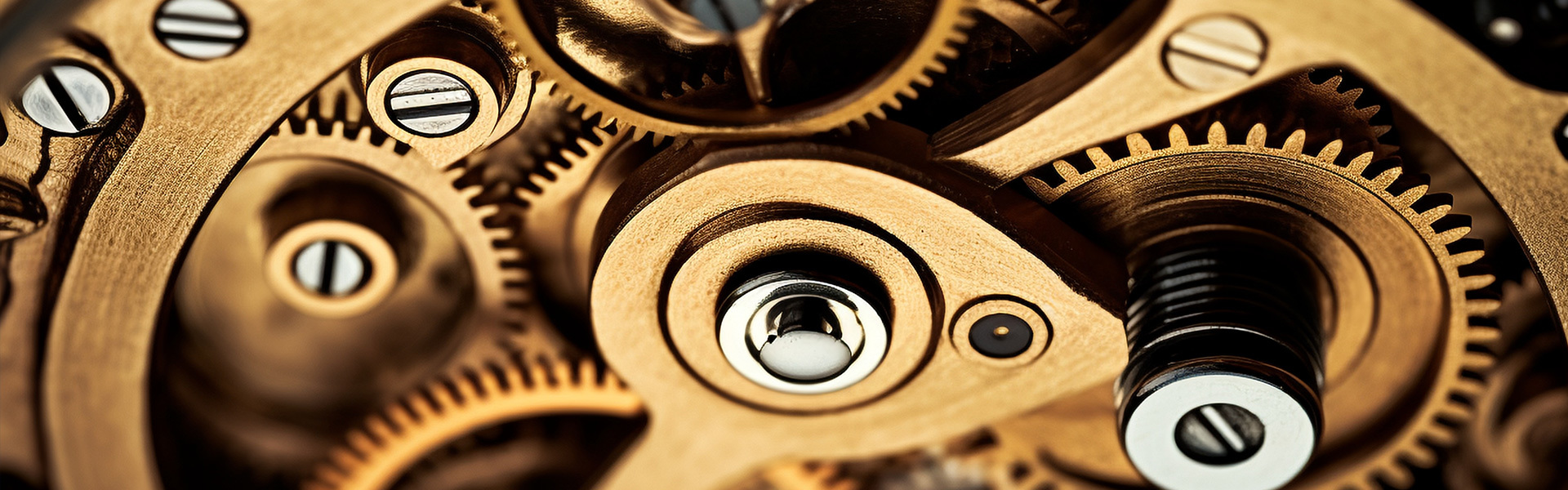
Skeleton watches represent a unique blend of art and engineering, offering a window into the inner workings of mechanical timepieces. These exquisite watches are designed to showcase their intricate movements, allowing wearers to appreciate the craftsmanship that goes into each piece. Unlike traditional watches, skeleton watches feature transparent dials and cases, revealing the mesmerizing gears, springs, and escapements that work in harmony to keep time.
The history of skeleton watches dates back to the 18th century when skilled watchmakers began to experiment with openwork designs to highlight their intricate movements. Over time, this art form has evolved, with modern technology and materials allowing for even more detailed and aesthetically pleasing designs. Today, skeleton watches are often associated with luxury and exclusivity, attracting collectors and enthusiasts who value both the craftsmanship and the visual appeal of these timepieces.
One of the most captivating aspects of skeleton watches is their complexity. Each watch is a testament to the skill of the watchmaker, who meticulously carves and shapes each component to achieve the perfect balance of functionality and beauty. The skeletonization process involves removing excess material from the movement, creating a lightweight and delicate structure that still maintains its durability. This intricate work requires a high level of precision and expertise, making each skeleton watch a true masterpiece.
Additionally, skeleton watches come in various styles, catering to different tastes and preferences. Some feature classic designs with ornate details, while others adopt a more modern, minimalist approach. The materials used can also vary widely, from stainless steel and titanium to gold and even carbon fiber, each contributing to the overall aesthetic and performance of the watch. This versatility allows collectors to find a skeleton watch that resonates with their personal style.
In terms of functionality, skeleton watches are often powered by mechanical movements, which can be either manual or automatic. Manual movements require the wearer to wind the watch regularly, while automatic movements harness the energy from the wearer's wrist movement to keep the watch ticking. This mechanical nature not only adds to the allure of skeleton watches but also provides a tactile and engaging experience for the wearer.
In conclusion, skeleton watches are more than just timekeeping devices; they are works of art that reflect the pinnacle of horological innovation. Whether you're a seasoned collector or new to the world of watches, a skeleton watch can offer a captivating glimpse into the artistry and engineering that define fine watchmaking. With their unique designs and intricate movements, these watches are sure to spark curiosity and admiration for years to come.
The history of skeleton watches dates back to the 18th century when skilled watchmakers began to experiment with openwork designs to highlight their intricate movements. Over time, this art form has evolved, with modern technology and materials allowing for even more detailed and aesthetically pleasing designs. Today, skeleton watches are often associated with luxury and exclusivity, attracting collectors and enthusiasts who value both the craftsmanship and the visual appeal of these timepieces.
One of the most captivating aspects of skeleton watches is their complexity. Each watch is a testament to the skill of the watchmaker, who meticulously carves and shapes each component to achieve the perfect balance of functionality and beauty. The skeletonization process involves removing excess material from the movement, creating a lightweight and delicate structure that still maintains its durability. This intricate work requires a high level of precision and expertise, making each skeleton watch a true masterpiece.
Additionally, skeleton watches come in various styles, catering to different tastes and preferences. Some feature classic designs with ornate details, while others adopt a more modern, minimalist approach. The materials used can also vary widely, from stainless steel and titanium to gold and even carbon fiber, each contributing to the overall aesthetic and performance of the watch. This versatility allows collectors to find a skeleton watch that resonates with their personal style.
In terms of functionality, skeleton watches are often powered by mechanical movements, which can be either manual or automatic. Manual movements require the wearer to wind the watch regularly, while automatic movements harness the energy from the wearer's wrist movement to keep the watch ticking. This mechanical nature not only adds to the allure of skeleton watches but also provides a tactile and engaging experience for the wearer.
In conclusion, skeleton watches are more than just timekeeping devices; they are works of art that reflect the pinnacle of horological innovation. Whether you're a seasoned collector or new to the world of watches, a skeleton watch can offer a captivating glimpse into the artistry and engineering that define fine watchmaking. With their unique designs and intricate movements, these watches are sure to spark curiosity and admiration for years to come.
Recommended News
Contact Us
Service Hotline
Add:A1, Room 1301, Block 1, Jiabang Guojin Center, No.1 South Shilong Road, Guicheng Street, Nanhai District, Foshan, China

Service Hotline
Add:A1, Room 1301, Block 1, Jiabang Guojin Center, No.1 South Shilong Road, Guicheng Street, Nanhai District, Foshan, China
Online Inquiry