
News
Loved By The People And Close To The People
How to Choose the Perfect Mechanical Watch for You: A Comprehensive Guide
2026-05-02

How to Choose the Perfect Mechanical Watch for You
Table of Contents
- Understanding Mechanical Watches
- Different Types of Mechanical Watches
- Key Factors in Choosing a Mechanical Watch
- Craftsmanship and Quality
- Design and Style Considerations
- Choosing the Right Size
- Mechanical Watch Maintenance Tips
- Frequently Asked Questions
- Conclusion
Understanding Mechanical Watches
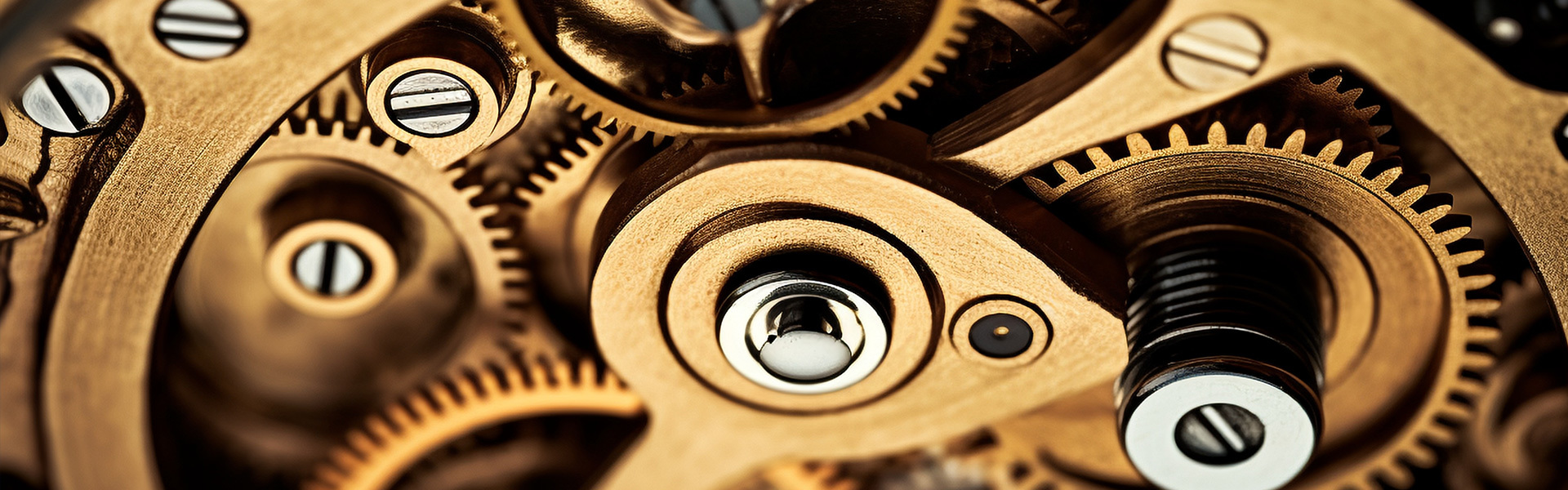
Mechanical watches are masterpieces of horological engineering. Unlike their quartz counterparts, which rely on batteries, mechanical watches use intricate gears and springs to measure time. There are two main types of mechanical watches: manual and automatic. Each type offers a distinctive experience that caters to different preferences.
What Makes Mechanical Watches Unique?
Mechanical watches are often cherished for their craftsmanship, heritage, and the artistry involved in their construction. Owning a mechanical watch is not just about telling time; it's about appreciating the blend of tradition and innovation.
Different Types of Mechanical Watches
When selecting a mechanical watch, understanding the various styles available can help narrow down your choices. Here are the most prevalent types:
1. Manual Mechanical Watches
Manual watches require regular winding to maintain their functionality. This process connects the owner to the watch on a personal level, creating a ritual that many enthusiasts cherish.
2. Automatic Mechanical Watches
Automatic watches wind themselves through the natural motion of the wearer's wrist. This feature makes them more convenient for daily use, as they generally don't require winding as frequently.
3. Complications in Mechanical Watches
Complications refer to any feature beyond basic timekeeping. Examples include chronographs, perpetual calendars, and moon phases. These features can enhance functionality and add to the watch's visual appeal.
Key Factors in Choosing a Mechanical Watch
Selecting the perfect mechanical watch involves considering multiple factors that align with your personal style and functional needs.
1. Purpose and Occasion
Understanding when and how you'll wear the watch is crucial. Are you looking for a daily wear piece, a formal watch for special occasions, or perhaps a rugged model for outdoor adventures?
2. Budget Considerations
Mechanical watches can vary significantly in price, from affordable options to luxury timepieces. Establishing a budget will help streamline your selection process.
3. Brand Reputation
Different brands have unique histories and reputations. Researching manufacturers can provide insight into their craftsmanship and reliability.
Craftsmanship and Quality
Quality is paramount when it comes to mechanical watches. Look for the following indicators of superior craftsmanship:
1. Materials Used
High-quality watches often feature premium materials such as stainless steel, gold, or titanium. The choice of materials impacts durability, aesthetics, and overall feel.
2. Movement Type
The movement is the heart of the watch. Swiss movements are renowned for their precision, while Japanese movements offer reliability at a more accessible price point.
3. Finishing Details
Attention to detail in finishing, such as polishing and engraving, is often a hallmark of quality. Look for well-crafted dials, hands, and cases that demonstrate a commitment to excellence.
Design and Style Considerations
The design of a mechanical watch can reflect your personality and style. Here are a few aspects to consider:
1. Dial Design
The dial is often the focal point of the watch. Consider factors such as color, texture, and legibility when assessing various designs.
2. Strap Options
Straps can significantly influence the overall aesthetics. Leather, metal, and fabric straps each provide a different look and feel. Choose a strap that complements your style and comfort.
3. Case Shape and Size
Watch cases come in various shapes, including round, square, and tonneau. The size of the case should fit comfortably on your wrist, ensuring both style and wearability.
Choosing the Right Size
The size of a watch can dramatically alter its appearance and comfort. Here are some tips to help you find the right fit:
1. Measuring Your Wrist
Measuring your wrist size will give you a better idea of which case diameter is appropriate. Generally, smaller wrists look better with a 34-40mm case, while larger wrists can accommodate sizes above 40mm.
2. Proportions Matter
Consider how the watch case proportions will align with your wrist. A watch that is too large or too small can look awkward.
3. Trying Before Buying
Whenever possible, try on different models to see how they look and feel. This hands-on experience is invaluable for assessing comfort and style.
Mechanical Watch Maintenance Tips
Proper maintenance is key to ensuring your mechanical watch remains in excellent condition. Here are some tips to prolong its lifespan:
1. Regular Winding
For manual watches, regular winding is essential. For automatic models, wearing the watch regularly will keep it running smoothly. If you don’t wear it often, consider using a watch winder.
2. Cleanliness
Keep your watch clean by occasionally wiping it with a soft cloth. Avoid exposing it to harsh chemicals or extreme conditions that may damage its components.
3. Professional Servicing
Having your watch serviced by a professional every few years can help maintain its performance. This includes cleaning the movement and checking for any issues.
Frequently Asked Questions
1. What is the difference between a mechanical watch and a quartz watch?
Mechanical watches use intricate gears and springs for timekeeping, while quartz watches rely on battery-powered quartz crystals.
2. How often should I service my mechanical watch?
It's recommended to service your mechanical watch every 3 to 5 years, depending on the brand and usage.
3. Can mechanical watches be worn while swimming?
It depends on the watch's water resistance rating. Check the manufacturer's specifications before exposing your watch to water.
4. Should I wind my automatic watch if I wear it daily?
If you wear your automatic watch daily, it should wind itself sufficiently. However, giving it a manual wind occasionally is a good practice.
5. Are mechanical watches a good investment?
Many mechanical watches, especially from reputable brands, can appreciate in value over time. However, investment potential varies based on market trends and rarity.
Conclusion
Choosing the perfect mechanical watch is an exciting journey that involves understanding your preferences, evaluating craftsmanship, and considering design elements. By taking the time to assess your needs and exploring the many options available, you can find a mechanical watch that not only tells time but also complements your style and personality. Embrace the artistry of horology, and enjoy the timeless elegance that a mechanical watch can bring to your life.
Previous:
Recommended News
Contact Us
Service Hotline
Add:A1, Room 1301, Block 1, Jiabang Guojin Center, No.1 South Shilong Road, Guicheng Street, Nanhai District, Foshan, China

Service Hotline
Add:A1, Room 1301, Block 1, Jiabang Guojin Center, No.1 South Shilong Road, Guicheng Street, Nanhai District, Foshan, China
Online Inquiry