
News
Loved By The People And Close To The People
Exploring the Craftsmanship Behind Men’s Automatic Mechanical Watches: An In-Depth Look at Precision and Artistry
2026-04-26

Exploring the Craftsmanship Behind Men’s Automatic Mechanical Watches
In the world of horology, few items captivate enthusiasts and collectors as profoundly as men’s automatic mechanical watches. These timepieces are not merely tools for telling time; they are masterpieces of engineering and art. This article will take you on a deep dive into the craftsmanship behind these remarkable watches, revealing the processes, techniques, and passion that go into creating them. Whether you're a seasoned collector or a novice interested in the world of watches, this exploration promises to enlighten and inspire.
Table of Contents
- 1. The History of Automatic Mechanical Watches
- 2. Understanding the Mechanism: How Automatic Watches Work
- 3. Craftsmanship and Design: The Art of Watchmaking
- 4. The Materials Used in Watchmaking: Quality Meets Aesthetics
- 5. The Role of Watchmakers: Skill Meets Tradition
- 6. Current Trends in Automatic Mechanical Watches
- 7. How to Choose the Right Automatic Mechanical Watch
- 8. Caring for Your Automatic Mechanical Watch: Maintenance Tips
- 9. FAQs
1. The History of Automatic Mechanical Watches
The journey of automatic mechanical watches begins centuries ago, with roots tracing back to the early 16th century when pocket watches became a symbol of status and precision. However, the true revolution in watchmaking came in the 18th century with the invention of the self-winding mechanism. This innovation allowed watches to wind themselves using the natural movement of the wearer’s wrist.
Key figures in this evolution include Abraham-Louis Breguet and John Arnold, who contributed significantly to the design and functionality of automatic watches. By the 20th century, brands like Rolex and Omega perfected these designs, leading to the modern automatic timepieces we admire today. The craftsmanship behind these watches has evolved, intertwining traditional techniques with modern innovations, ensuring their place as coveted accessories in men's fashion.
2. Understanding the Mechanism: How Automatic Watches Work
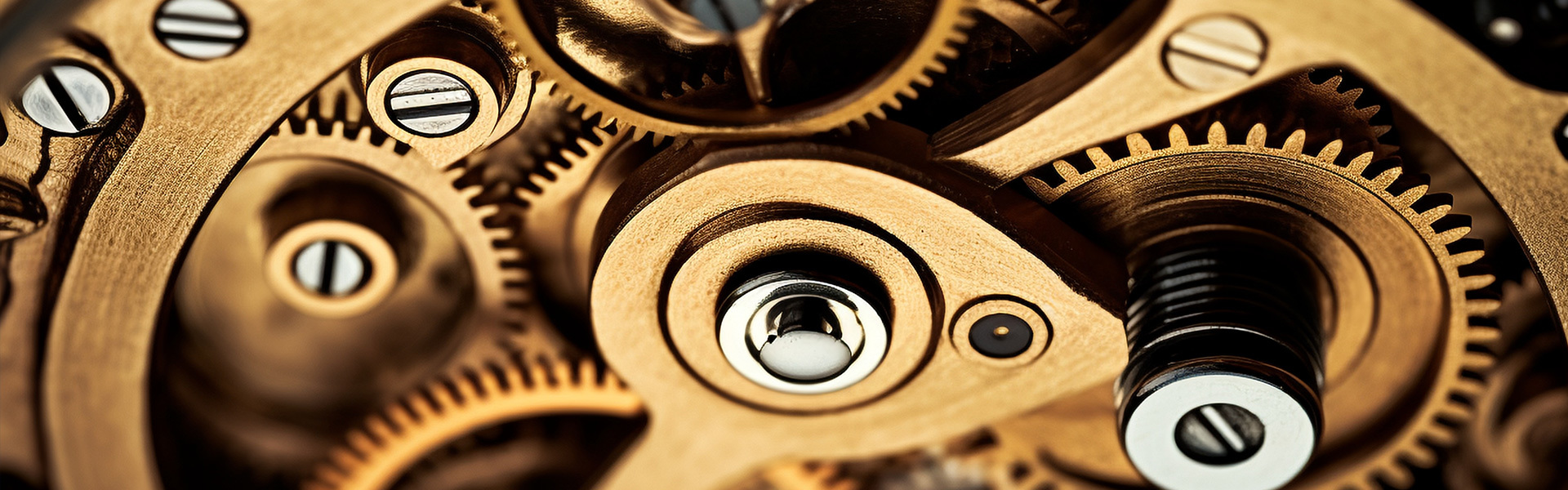
At the heart of every automatic mechanical watch lies an intricate mechanism that demonstrates incredible engineering prowess. The primary component is the **movement**, which consists of various parts like gears, springs, and rotors. The rotor, a semi-circular piece that moves with wrist motion, winds the mainspring, storing energy to power the watch.
The Key Components of Automatic Movements
Understanding the individual components helps appreciate the craftsmanship involved:
- Rotor: The heart of the automatic movement, responsible for winding the mainspring.
- Mainspring: The spring that stores energy, allowing the watch to function without a battery.
- Gear Train: The series of gears that transmit energy from the mainspring to the escapement.
- Escapement: Regulates the release of energy, ensuring the watch keeps accurate time.
3. Craftsmanship and Design: The Art of Watchmaking
Craftsmanship in watchmaking is a delicate blend of artistry and engineering. Each watch is a canvas for skilled artisans who invest years honing their craft. The design process begins with conceptual sketches, where watchmakers envision the aesthetics and functionality of the timepiece.
Traditional Techniques vs. Modern Innovations
While some brands adhere strictly to traditional methods, others incorporate modern technology to enhance precision and durability. Techniques like hand-engraving, enameling, and guilloché work showcase the artisan's skill, resulting in stunning, one-of-a-kind pieces. Brands like Patek Philippe and Audemars Piguet are renowned for their commitment to both heritage and innovation, ensuring that each watch is a work of art.
4. The Materials Used in Watchmaking: Quality Meets Aesthetics
The materials chosen for automatic mechanical watches play a significant role in their craftsmanship. High-quality materials not only enhance durability but also contribute to the watch's overall aesthetic appeal. Common materials include:
- Stainless Steel: A popular choice for its strength and resistance to corrosion.
- Gold: Adds a luxurious touch, with options ranging from yellow to rose gold.
- Sapphire Crystal: Offers superior scratch resistance, ensuring clarity and longevity.
- Leather and Textiles: Used for watch straps, providing comfort and style.
5. The Role of Watchmakers: Skill Meets Tradition
Watchmakers are the unsung heroes behind the scenes, proficient in both mechanical and aesthetic aspects of watchmaking. Their training often involves years of apprenticeship, learning the nuances of horology. This deep-rooted knowledge is crucial, especially when it comes to crafting intricate movements and ensuring timekeeping accuracy.
The Art of Repair and Restoration
Beyond creation, watchmakers also play a vital role in repair and restoration. Their skills can bring vintage timepieces back to life, preserving a piece of history. This aspect of watchmaking emphasizes the importance of craftsmanship, as each repair requires a meticulous approach to maintain the watch’s integrity.
6. Current Trends in Automatic Mechanical Watches
The watch industry is constantly evolving, and current trends reflect the preferences of modern consumers. Sustainability has become a priority, with many brands exploring eco-friendly materials and manufacturing processes. Additionally, there is a growing trend toward customizations, allowing buyers to personalize their timepieces to reflect their style.
Technological Integrations
Smartwatch technology is also influencing the automatic watch market. While purists may argue against the integration of technology, some brands are successfully blending traditional mechanics with smart features, appealing to a new generation of watch enthusiasts.
7. How to Choose the Right Automatic Mechanical Watch
Choosing the right automatic mechanical watch involves understanding personal preferences, lifestyle, and budget. Here are some key considerations:
- Brand Reputation: Research brands known for quality and craftsmanship.
- Style: Consider whether you prefer a classic design or something more contemporary.
- Size and Fit: Ensure the watch suits your wrist and personal style.
- Functionality: Decide if you want additional features like a chronograph or water resistance.
8. Caring for Your Automatic Mechanical Watch: Maintenance Tips
Proper care is essential to ensure the longevity of your automatic mechanical watch. Here are some maintenance tips:
- Regular Winding: If not worn daily, wind the watch every few days to maintain the movement.
- Keep It Clean: Use a soft cloth to wipe the watch and avoid exposure to harsh chemicals.
- Service Regularly: Schedule a professional service every 3-5 years to ensure accurate timekeeping.
9. FAQs
What is the difference between automatic and manual watches?
Automatic watches wind themselves using the motion of the wrist, while manual watches require the wearer to wind them periodically.
Can I wear my automatic watch while swimming?
It depends on the water resistance rating. Always check the manufacturer’s specifications before exposing your watch to water.
How long does an automatic watch last?
With proper care and maintenance, an automatic watch can last for decades, and some can even be passed down as heirlooms.
What should I do if my automatic watch stops working?
Try winding it and wearing it for a few hours. If it doesn’t start again, consider taking it to a professional watchmaker for assessment.
Are automatic watches more accurate than quartz watches?
Quartz watches are generally more accurate, but high-quality automatic watches can keep excellent time with proper maintenance.
Conclusion
Exploring the craftsmanship behind men’s automatic mechanical watches reveals a world where tradition and innovation coexist harmoniously. These remarkable timepieces are a testament to human ingenuity and artistry, embodying the essence of horology. By understanding the history, mechanics, and craftsmanship involved, one can truly appreciate the value and beauty of owning an automatic mechanical watch. Whether you’re considering your first purchase or adding to a cherished collection, the journey into this realm of exquisite craftsmanship is bound to be rewarding.
Recommended News
Contact Us
Service Hotline
Add:A1, Room 1301, Block 1, Jiabang Guojin Center, No.1 South Shilong Road, Guicheng Street, Nanhai District, Foshan, China

Service Hotline
Add:A1, Room 1301, Block 1, Jiabang Guojin Center, No.1 South Shilong Road, Guicheng Street, Nanhai District, Foshan, China
Online Inquiry