
News
Loved By The People And Close To The People
Understanding the Mechanics of Automatic Watch Movements: A Comprehensive Guide
2026-04-22

Understanding the Mechanics of Automatic Watch Movements: A Comprehensive Guide
Table of Contents
- 1. Introduction to Automatic Watch Movements
- 2. The History of Automatic Movements
- 3. How Automatic Watch Movements Work
- 4. Key Components of an Automatic Movement
- 5. Advantages of Automatic Watch Movements
- 6. Maintenance Tips for Automatic Watches
- 7. Common Issues with Automatic Movements
- 8. Conclusion
- 9. FAQs
1. Introduction to Automatic Watch Movements
Automatic watch movements, often referred to as self-winding movements, represent a remarkable blend of craftsmanship and engineering. Unlike quartz watches, which rely on batteries, automatic watches harness kinetic energy generated by the wearer’s wrist movement. This innovative mechanism not only powers the watch but also showcases the intricate artistry involved in horology. In this comprehensive guide, we will explore the mechanics behind these fascinating timepieces, their historical evolution, and what makes them a preferred choice among watch aficionados.
2. The History of Automatic Movements
The journey of automatic watch movements dates back to the late 18th century. The concept was first conceived by the brilliant watchmaker Abraham-Louis Perrelet in 1770, who developed a self-winding mechanism that used a turning weight. This innovation laid the groundwork for future advancements in automatic movements. Over the years, various watchmakers improved upon this design, leading to the creation of more reliable and efficient self-winding mechanisms.
By the mid-20th century, automatic watches gained immense popularity, thanks in part to the introduction of mass production techniques. Brands like Rolex and Seiko played pivotal roles in refining automatic movements, making them accessible to a broader audience. Today, automatic watches are celebrated not only for their functionality but also for their aesthetic appeal and heritage.
3. How Automatic Watch Movements Work
At the core of an automatic watch is a sophisticated mechanism that converts the motion of the wearer's wrist into energy. This process involves several steps:
1. **Kinetic Energy Generation**: As the wearer moves their wrist, the rotor—a semi-circular weight—moves due to gravity. This movement winds the mainspring, storing energy.
2. **Energy Transfer**: The energy accumulated in the mainspring is gradually released through the gear train, which transmits this energy to various components, including the balance wheel and escapement.
3. **Time Regulation**: The balance wheel oscillates, dividing time into equal parts, while the escapement controls the release of energy, ensuring accurate timekeeping.
This elegant interplay of motion and mechanics is what sets automatic watches apart from their battery-powered counterparts.
4. Key Components of an Automatic Movement
Understanding the essential components of an automatic movement is crucial for appreciating its mechanics.
4.1 The Balance Wheel
The balance wheel functions as the heart of the watch. It oscillates back and forth, regulating the watch's timekeeping. Each oscillation represents a fixed amount of time, ensuring that the watch remains accurate.
4.2 The Escapement Mechanism
The escapement is responsible for transferring the energy from the mainspring to the gear train in controlled increments. This mechanism consists of several parts, including the pallet fork and escape wheel, which work together to maintain precise timing.
4.3 The Rotor
The rotor is a vital component that harnesses kinetic energy. Its movement generates power to wind the mainspring whenever the wearer moves. The rotor's design can vary between brands, but its primary function remains the same—keeping the watch operational without manual winding.
4.4 The Gear Train
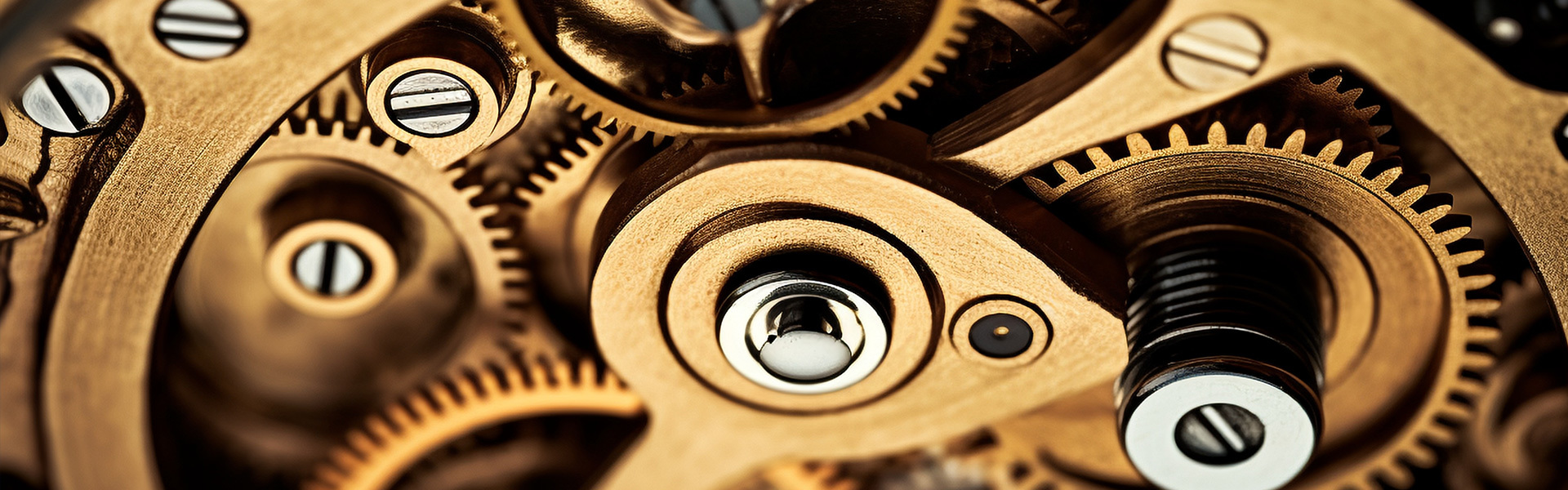
The gear train consists of a series of interconnected gears that transmit energy from the mainspring to the escapement. Each gear is meticulously crafted to ensure smooth operation and minimal energy loss, contributing to the watch's overall efficiency.
5. Advantages of Automatic Watch Movements
Choosing an automatic watch comes with several benefits that enhance the overall user experience:
1. **No Battery Replacement**: Automatic watches do not require battery changes, making them more environmentally friendly and convenient.
2. **Longevity**: With proper care and maintenance, automatic watches can last for generations, often becoming family heirlooms.
3. **Craftsmanship Appreciation**: Automatic movements showcase exceptional craftsmanship and ingenuity, making them appealing to collectors and enthusiasts.
4. **Self-Winding Mechanism**: The self-winding feature means that as long as the watch is worn regularly, it will maintain its power reserve without manual winding.
5. **Aesthetic Appeal**: Many automatic watches feature transparent case backs that allow wearers to admire the intricate movements, adding to their visual allure.
6. Maintenance Tips for Automatic Watches
To ensure the longevity and accuracy of an automatic watch, regular maintenance is crucial. Here are some essential tips:
1. **Regular Winding**: If not worn daily, manually wind the watch to keep the movement lubricated and functioning optimally.
2. **Servicing**: Have the watch serviced by a professional every 3 to 5 years to keep it in excellent condition.
3. **Avoid Magnetism**: Keep the watch away from strong magnetic fields, as they can disrupt the movement and affect accuracy.
4. **Water Resistance**: If the watch is water-resistant, ensure the seals are intact and have them checked periodically to prevent moisture damage.
5. **Cleaning**: Regularly clean the watch case and bracelet with a soft cloth to maintain its appearance and remove dirt.
7. Common Issues with Automatic Movements
While automatic watches are known for their reliability, they can encounter several common issues:
1. **Accuracy Problems**: Over time, watches may gain or lose time due to wear and tear or magnetization. Professional regulation may be necessary to restore accuracy.
2. **Power Reserve Issues**: If the watch is not worn for an extended period, it may stop. Ensuring regular use or using a watch winder can help.
3. **Rotor Malfunctions**: The rotor can sometimes become dislodged or jammed, leading to winding issues. Professional intervention is often required to resolve this.
4. **Water Damage**: Improper sealing or accidental exposure to water can damage the internals. Regular checks can help prevent this.
5. **Lubrication Deterioration**: Over time, the lubricants in the movement can dry out, causing increased friction and wear. Regular servicing will ensure proper lubrication.
8. Conclusion
Automatic watch movements represent a blend of artistry and technology, captivating enthusiasts and casual wearers alike. Understanding the mechanics behind these remarkable devices enhances appreciation for their craftsmanship and reliability. From their historical evolution to the intricate components that drive their function, automatic watches continue to stand the test of time. By embracing proper maintenance and care, wearers can enjoy these timeless pieces for years to come.
9. FAQs
What is the difference between automatic and manual watches?
Automatic watches wind themselves using wrist movement, while manual watches require regular winding by hand.
How often should I service my automatic watch?
It is recommended to service your automatic watch every 3 to 5 years to maintain optimal performance.
Can I wear my automatic watch while swimming?
If the watch is rated for water resistance, it is generally safe to wear while swimming. Always check the manufacturer’s guidelines.
What should I do if my automatic watch stops working?
If your watch stops, try winding it manually. If it doesn’t restart, consider taking it to a professional for servicing.
Are automatic watches more expensive than quartz watches?
Generally, automatic watches tend to be more expensive due to the complexity of their mechanisms and the craftsmanship involved in their production.
Recommended News
Contact Us
Service Hotline
Add:A1, Room 1301, Block 1, Jiabang Guojin Center, No.1 South Shilong Road, Guicheng Street, Nanhai District, Foshan, China

Service Hotline
Add:A1, Room 1301, Block 1, Jiabang Guojin Center, No.1 South Shilong Road, Guicheng Street, Nanhai District, Foshan, China
Online Inquiry