
News
Loved By The People And Close To The People
Crafting Perfection: The Art and Science Behind Self-Luminous Automatic Watches
2026-04-16

Crafting Perfection: The Art and Science Behind Self-Luminous Automatic Watches
The world of watchmaking is a fascinating blend of art, science, and tradition. Among the myriad types of timepieces, self-luminous automatic watches stand out for their unique combination of functionality and aesthetic appeal. This article delves deep into the intricacies of crafting these remarkable watches, exploring everything from the choice of materials and the technology involved to the artistry that elevates them to luxury status. Join us as we uncover the secrets behind these luminous marvels.
Table of Contents
- What is a Self-Luminous Automatic Watch?
- The Importance of Luminosity in Watches
- Materials Used in Self-Luminous Watches
- The Mechanism of Automatic Watches
- The Art of Watch Design
- Craftsmanship and Assembly
- Popular Self-Luminous Automatic Watch Brands
- Maintenance and Care Tips for Self-Luminous Watches
- Conclusion
- FAQs
What is a Self-Luminous Automatic Watch?
A self-luminous automatic watch is a type of watch that utilizes a mechanism to wind itself through the natural movement of the wearer's wrist. The term "self-luminous" refers to the watch's ability to glow in low light conditions, typically achieved through the use of materials that emit light. This combination of automatic winding and luminescence offers practicality and elegance, making such watches highly sought after by enthusiasts and collectors alike.
The Importance of Luminosity in Watches
In the realm of horology, luminosity serves a critical function. For many watch aficionados, the ability to read the time in darkness is paramount. Self-luminous watches provide an essential advantage for those who require visibility under various lighting conditions. This feature is particularly advantageous for divers, pilots, and outdoor enthusiasts who often find themselves in low-light situations.
How Luminosity Enhances Functionality
Self-luminous watches ensure that essential information such as hour markers, minute hands, and other indicators are easily readable during the night or in dark environments. This capability is not merely a luxury; it is a functional necessity for many users. The luminescent materials used in these watches are designed to have a long-lasting glow, allowing for extended visibility without the need for external light sources.
Materials Used in Self-Luminous Watches
The crafting of self-luminous automatic watches involves a selection of high-quality materials that contribute to the watch's durability, performance, and aesthetic appeal. The primary materials include:
1. Stainless Steel
Stainless steel is a popular choice for watch cases due to its strength, resistance to corrosion, and polished finish. It provides a robust frame that can withstand daily wear and tear while maintaining its luster over time.
2. Sapphire Crystal
Sapphire crystal is favored for watch faces because of its exceptional scratch resistance and clarity. This material ensures that the watch remains visually appealing while offering protection from environmental damage.
3. Luminescent Materials
The glow of self-luminous watches is often achieved through luminescent materials like Super-LumiNova or tritium. Super-LumiNova is a non-radioactive substance that charges under light and glows in darkness, while tritium offers a longer-lasting glow but is radioactive and requires careful handling.
4. Leather and Synthetic Straps
Straps are an essential aspect of any watch, and they come in various materials, including genuine leather and high-quality synthetic materials. These options provide comfort, style, and durability, catering to different preferences and lifestyles.
The Mechanism of Automatic Watches
The heart of a self-luminous automatic watch lies in its intricate mechanism. Automatic watches operate on the principle of kinetic energy, where the motion of the wearer's wrist powers the watch. This is achieved through a rotor that moves with the user's movements, winding the mainspring and providing energy to keep the watch running.
Understanding the Movement
Automatic movements can be categorized into two primary types: caliber and mechanical. Caliber movements are precise and often feature additional complications, while mechanical movements are simpler but revered for their traditional craftsmanship. Both types contribute to the overall performance and reliability of the watch.
The Art of Watch Design
Designing a self-luminous automatic watch is as much an artistic endeavor as it is a technical one. Designers must consider aesthetics, ergonomics, and functionality. Key elements include:
1. Dial Design
The dial is the face of the watch and can feature various styles, colors, and layouts. Designers often play with contrasts to enhance visibility, using luminous materials strategically to ensure that they illuminate essential information without overwhelming the overall design.
2. Case Design
The case must balance form and function, providing protection while being aesthetically pleasing. It can take on various shapes, from classic round to modern square or even unique custom designs, catering to different tastes and preferences.
3. Branding and Customization
Many brands offer customization options for clients, allowing them to choose specific materials, colors, and engravings. This personal touch adds a layer of exclusivity to the watch, making it a unique piece tailored to the owner's preferences.
Craftsmanship and Assembly
The assembly of a self-luminous automatic watch requires a high level of skill and precision. Each component must be meticulously crafted and assembled to ensure optimal performance and longevity. Master watchmakers are essential in this process, bringing years of experience and expertise to the table.
The Assembly Process
The assembly process involves several critical steps, including:
1. Movement Assembly
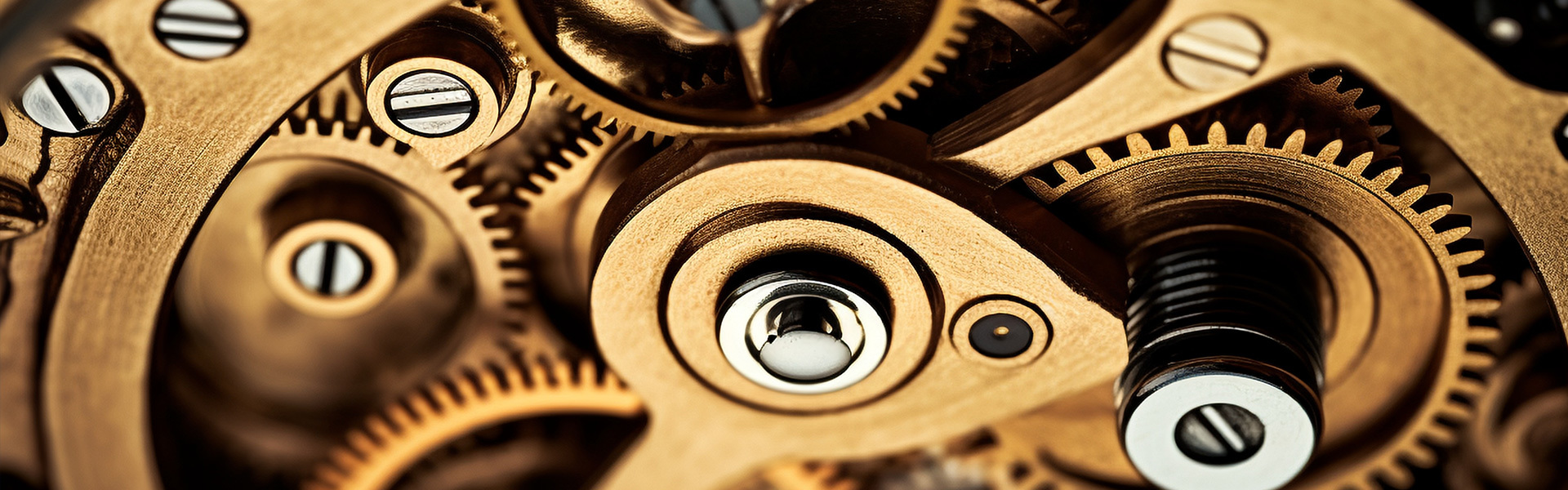
Beginning with the movement, watchmakers skillfully assemble intricate parts, ensuring that each gear and spring functions perfectly in harmony with one another.
2. Case Assembly
Once the movement is complete, it is placed inside the case, and the case is sealed, ensuring that the watch is water-resistant and secure.
3. Final Testing
Before a self-luminous automatic watch is deemed ready for sale, it undergoes rigorous testing to ensure accuracy and performance, including checks for timekeeping precision and luminosity levels.
Popular Self-Luminous Automatic Watch Brands
Several watch brands have carved a niche in the realm of self-luminous automatic watches, known for their quality, innovation, and timeless designs. Some of the notable brands include:
1. Seiko
Renowned for its cutting-edge technology and craftsmanship, Seiko offers a range of self-luminous automatic watches that blend performance with style.
2. Citizen
Citizen is synonymous with innovation, incorporating advanced luminosity technology in their watches while maintaining affordable luxury.
3. Rolex
Rolex is a prestigious name in horology, and its self-luminous models are celebrated for their precision, durability, and iconic design.
4. TAG Heuer
TAG Heuer combines sports and luxury, featuring self-luminous automatic watches designed for high performance and style.
5. Omega
With a rich history in watchmaking, Omega's self-luminous automatic watches are celebrated for their elegance and technical excellence.
Maintenance and Care Tips for Self-Luminous Watches
To ensure the longevity and performance of a self-luminous automatic watch, proper maintenance is essential. Here are some care tips:
1. Regular Cleaning
Keep the watch clean by gently wiping it with a soft cloth regularly to remove dirt and sweat, particularly around the bezel and strap.
2. Avoid Extreme Conditions
Exposure to extreme temperatures, chemicals, or magnetic fields can adversely affect the watch's performance. It is advisable to store the watch in a safe place when not in use.
3. Professional Servicing
Regular professional servicing every 3-5 years can help maintain the watch's accuracy and ensure that it remains in optimal condition.
4. Battery Replacement (if applicable)
If the watch has a battery (for quartz movement), replace it promptly to avoid leakage and damage to the movement.
5. Water Resistance Checks
For watches with water resistance features, it's prudent to have the seals checked and maintained regularly, especially before activities like swimming or diving.
Conclusion
Crafting a self-luminous automatic watch is a meticulous process that blends art and science, showcasing the pinnacle of horological craftsmanship. From the selection of high-quality materials to the intricate assembly of movements, each watch tells a story of dedication, skill, and innovation. As we have explored, the importance of luminosity enhances not only the functionality of these timepieces but also their allure. Whether you're a seasoned collector or a casual wearer, understanding the nuances of self-luminous automatic watches can deepen your appreciation for these remarkable instruments. Invest in one, and you won't just own a watch; you'll possess a piece of artistry that stands the test of time.
FAQs
1. How do self-luminous automatic watches work?
Self-luminous automatic watches work by utilizing a rotor that winds the mainspring through the natural movement of the wearer's wrist, combined with luminescent materials that glow in the dark for enhanced visibility.
2. What materials are used in self-luminous watches?
Common materials include stainless steel for the case, sapphire crystal for the face, and luminescent substances such as Super-LumiNova or tritium for glowing features.
3. How often should I service my self-luminous automatic watch?
It is generally recommended to service your watch every 3-5 years to ensure optimal performance and longevity.
4. Can I wear my self-luminous watch while swimming?
Most self-luminous automatic watches are designed with water resistance, but it is crucial to verify the specific water resistance rating and have the seals checked regularly.
5. What is the difference between quartz and automatic watches?
Quartz watches are powered by a battery and use a quartz crystal for timekeeping, while automatic watches are powered by the movement of the wearer and do not require a battery.
Recommended News
Contact Us
Service Hotline
Add:A1, Room 1301, Block 1, Jiabang Guojin Center, No.1 South Shilong Road, Guicheng Street, Nanhai District, Foshan, China

Service Hotline
Add:A1, Room 1301, Block 1, Jiabang Guojin Center, No.1 South Shilong Road, Guicheng Street, Nanhai District, Foshan, China
Online Inquiry