
News
Loved By The People And Close To The People
Skeleton Watches: A Perfect Blend of Tradition and Modernity
2026-04-14

Skeleton Watches: A Perfect Blend of Tradition and Modernity
Table of Contents
- 1. Introduction to Skeleton Watches
- 2. The Rich History of Skeleton Watches
- 3. Design Elements of Skeleton Watches
- 4. The Mechanics Behind Skeleton Watches
- 5. Types of Skeleton Watches
- 6. Advantages of Owning a Skeleton Watch
- 7. Caring for Your Skeleton Watch
- 8. Frequently Asked Questions about Skeleton Watches
- 9. Conclusion
1. Introduction to Skeleton Watches
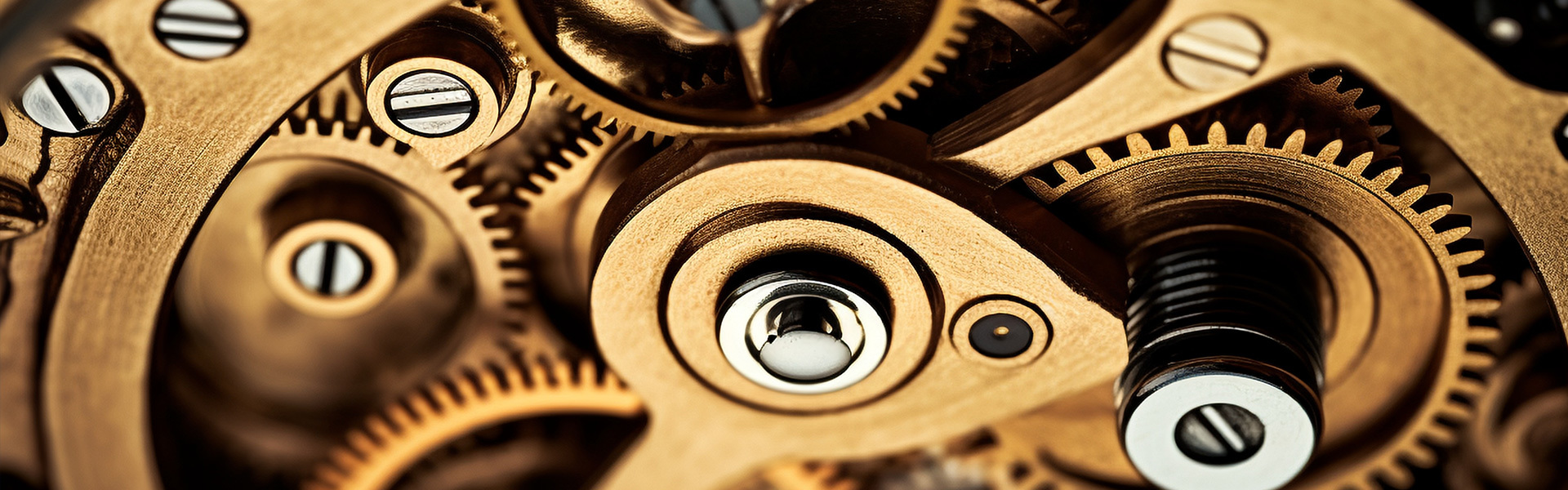
Skeleton watches have emerged as a remarkable category of timepieces that showcase the intricate inner workings of a watch. Unlike traditional watches, where the mechanics are concealed behind a solid dial, skeleton watches feature transparent cases or cutaway designs that reveal the beauty of the movement. This transparency not only highlights the craftsmanship involved but also adds to the aesthetic appeal, making them truly captivating artifacts.
The allure of skeleton watches lies in their ability to merge artistry with technology. They serve as a testament to the skill of watchmakers who meticulously create each component, allowing wearers to appreciate the complexity and precision of the mechanisms that power their timekeeping devices. In this article, we will delve deeper into the enchanting world of skeleton watches, exploring their history, design, mechanics, and the advantages of owning one.
2. The Rich History of Skeleton Watches
The origin of skeleton watches can be traced back to the 18th century when pioneering watchmakers began experimenting with the concept of revealing the internal mechanics of timepieces. The term "skeleton" reflects the stripped-down aesthetic that emphasizes the watch's framework. Initially, these timepieces were crafted for the aristocracy, symbolizing wealth and status.
One of the earliest examples of a skeleton watch was created by the legendary Swiss watchmaker, Breguet, known for his innovative designs and meticulous craftsmanship. Over the years, various brands have embraced this style, each adding their unique twist to the concept. The development of modern materials and manufacturing techniques has further propelled the popularity of skeleton watches, making them accessible to a broader audience.
3. Design Elements of Skeleton Watches
The design of skeleton watches is a harmonious blend of aesthetics and functionality. Here are some key design elements that contribute to their appeal:
3.1. Transparent Cases
Many skeleton watches feature transparent cases made from sapphire crystal, allowing a clear view of the intricate movements. This transparent casing serves as both protection and a showcase for the delicate craftsmanship within.
3.2. Artistic Movements
The movements in skeleton watches are often embellished with intricate engravings, decorative finishing, and even colorful accents. These elements enhance the visual appeal and reflect the artisan skills of the watchmaker.
3.3. Unique Dial Designs
Unlike traditional watches, skeleton dials often feature minimalistic hour markers or no markers at all, directing the focus toward the movement. Some brands incorporate Roman numerals or custom motifs that complement the overall design.
4. The Mechanics Behind Skeleton Watches
The mechanics of skeleton watches are as fascinating as their design. These timepieces are often powered by automatic movements, which harness the energy produced by the wearer's wrist motion. Here’s a closer look at how they operate:
4.1. Automatic Movements
Most skeleton watches utilize automatic movements, featuring a rotor that spins with the wrist's movement, winding the mainspring. This eliminates the need for battery replacements and showcases the watch's mechanical prowess.
4.2. Hand-Wound Movements
Some high-end skeleton watches offer hand-wound movements, where the wearer must manually wind the watch to store energy. This intimate interaction with the timepiece adds to the overall experience.
4.3. Precision Engineering
Skeleton watches represent the pinnacle of precision engineering. Watchmakers must achieve a delicate balance between aesthetics and functionality, ensuring that the exposed components maintain accurate timekeeping while still being visually striking.
5. Types of Skeleton Watches
The world of skeleton watches encompasses various types, catering to diverse preferences. Here are some popular categories:
5.1. Classic Skeleton Watches
These timepieces adhere to traditional designs, often characterized by intricate movements and classic styling. They appeal to purists who appreciate the artistry of watchmaking.
5.2. Contemporary Skeleton Watches
Modern skeleton watches often feature bold designs, unconventional materials, and vibrant colors. These watches attract a younger demographic and those seeking a statement piece.
5.3. Luxury Skeleton Watches
Luxury brands frequently produce high-end skeleton watches adorned with precious metals and gemstones. These timepieces represent the utmost in craftsmanship and exclusivity.
6. Advantages of Owning a Skeleton Watch
Owning a skeleton watch offers numerous advantages that go beyond mere aesthetics:
6.1. Unique Aesthetic Appeal
The intricate display of the movement makes skeleton watches stand out, allowing wearers to express their personal style and appreciation for craftsmanship.
6.2. Conversation Starter
The eye-catching design often invites curiosity, making them excellent conversation starters. Friends and acquaintances will be drawn to the intricacies of your watch.
6.3. Timeless Craftsmanship
Investing in a skeleton watch means investing in timeless craftsmanship. These pieces are often handcrafted, showcasing the skill and dedication of watchmakers.
7. Caring for Your Skeleton Watch
To ensure the longevity of your skeleton watch, proper care is essential. Here are some tips for maintaining its beauty and functionality:
7.1. Regular Cleaning
Keep your watch clean by gently wiping it with a soft, lint-free cloth. Avoid using harsh chemicals that could damage the case or movement.
7.2. Service Intervals
Have your watch serviced by a professional watchmaker every few years to ensure it remains in optimal condition. Regular servicing can prevent issues and prolong its lifespan.
7.3. Proper Storage
When not in use, store your skeleton watch in a cool, dry place, preferably in a watch box to protect it from dust and scratches.
8. Frequently Asked Questions about Skeleton Watches
8.1. Are skeleton watches more fragile than traditional watches?
While skeleton watches may appear delicate due to their transparent design, they are crafted with durable materials. However, they can be more susceptible to scratches, so care is advised.
8.2. How do I wind a skeleton watch?
If your skeleton watch features a hand-wound movement, you can wind it by turning the crown clockwise until you feel resistance. For automatic movements, simply wearing the watch will keep it wound.
8.3. Can I wear a skeleton watch every day?
Yes, many skeleton watches are designed for daily wear. However, be mindful of exposure to harsh conditions that could affect the delicate movement.
8.4. What is the price range for skeleton watches?
Prices vary widely based on brand, materials, and craftsmanship. You can find skeleton watches ranging from a few hundred to several thousand dollars.
8.5. Are skeleton watches a good investment?
High-quality skeleton watches from reputable brands can retain or increase their value over time, making them a worthwhile investment for collectors.
9. Conclusion
In summary, skeleton watches offer a mesmerizing blend of tradition and modernity, showcasing the artistry and precision of watchmaking. Their unique designs, intricate movements, and craftsmanship make them a captivating choice for enthusiasts and collectors alike. By understanding the history, mechanics, and care involved in these exquisite timepieces, you can truly appreciate the beauty and elegance of skeleton watches. Whether you are seeking a statement piece or a timeless addition to your collection, a skeleton watch embodies the perfect union of form and function.
The next one:
Recommended News
Contact Us
Service Hotline
Add:A1, Room 1301, Block 1, Jiabang Guojin Center, No.1 South Shilong Road, Guicheng Street, Nanhai District, Foshan, China

Service Hotline
Add:A1, Room 1301, Block 1, Jiabang Guojin Center, No.1 South Shilong Road, Guicheng Street, Nanhai District, Foshan, China
Online Inquiry