
News
Loved By The People And Close To The People
Unveiling the Elegance of Mechanical Watches: A Timeless Craft
2026-04-09

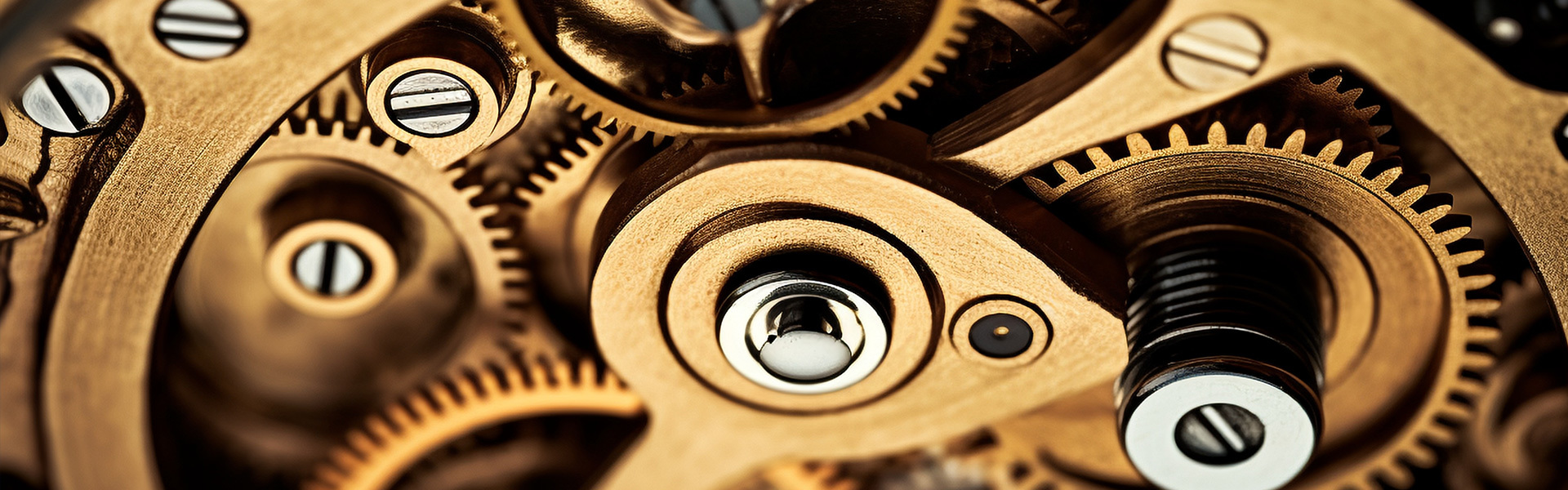
Mechanical watches represent a fascinating blend of artistry and engineering, captivating watch enthusiasts and professionals alike. Unlike their quartz counterparts, mechanical watches rely on intricate mechanical movements powered by a mainspring. The charm of these timepieces lies in their ability to measure time through a series of meticulously crafted gears and springs, showcasing the craftsmanship that has evolved over centuries.
The origins of mechanical watches can be traced back to the late 15th century, with early designs relying on weight-driven mechanisms. These innovations gradually evolved, leading to the development of the escapement, a critical component that regulates the release of energy from the mainspring. This essential mechanism ensures the accuracy and reliability of mechanical watches, allowing them to maintain precise timekeeping.
One of the standout features of mechanical watches is their variety of movements. The two primary types are manual and automatic. Manual mechanical watches require the wearer to wind the crown regularly, while automatic watches harness the natural motion of the wrist to wind the mainspring. This ingenious design allows automatic watches to remain powered as long as they are worn, eliminating the need for manual winding.
In addition to their technical prowess, mechanical watches are often celebrated for their aesthetic appeal. Watchmakers dedicate countless hours to perfecting the design and finishing of each timepiece. From intricate dials to hand-polished cases, the artistry involved in creating a mechanical watch is unparalleled. Many brands emphasize traditional techniques, such as hand-engraving and enameling, further enhancing the beauty and uniqueness of their watches.
The allure of mechanical watches extends beyond their functionality and aesthetics; they also carry a sense of heritage and legacy. Owning a mechanical watch often signifies an appreciation for craftsmanship and tradition. Many enthusiasts enjoy the stories behind each brand and model, which often reflect the history of watchmaking itself.
In today's fast-paced world, mechanical watches serve as a reminder of the value of patience and precision. While modern technology has led to the rise of smartwatches and quartz timepieces, the demand for mechanical watches remains strong. Collectors and aficionados cherish these watches not just as tools for timekeeping but as pieces of art that embody human ingenuity.
In conclusion, mechanical watches are a testament to the intersection of art and engineering. Their intricate movements, beautiful designs, and rich history make them a valuable addition to any collection. Whether you're a seasoned collector or a newcomer to the world of horology, understanding the charm and mechanics behind mechanical watches enhances your appreciation for these timeless creations.
The origins of mechanical watches can be traced back to the late 15th century, with early designs relying on weight-driven mechanisms. These innovations gradually evolved, leading to the development of the escapement, a critical component that regulates the release of energy from the mainspring. This essential mechanism ensures the accuracy and reliability of mechanical watches, allowing them to maintain precise timekeeping.
One of the standout features of mechanical watches is their variety of movements. The two primary types are manual and automatic. Manual mechanical watches require the wearer to wind the crown regularly, while automatic watches harness the natural motion of the wrist to wind the mainspring. This ingenious design allows automatic watches to remain powered as long as they are worn, eliminating the need for manual winding.
In addition to their technical prowess, mechanical watches are often celebrated for their aesthetic appeal. Watchmakers dedicate countless hours to perfecting the design and finishing of each timepiece. From intricate dials to hand-polished cases, the artistry involved in creating a mechanical watch is unparalleled. Many brands emphasize traditional techniques, such as hand-engraving and enameling, further enhancing the beauty and uniqueness of their watches.
The allure of mechanical watches extends beyond their functionality and aesthetics; they also carry a sense of heritage and legacy. Owning a mechanical watch often signifies an appreciation for craftsmanship and tradition. Many enthusiasts enjoy the stories behind each brand and model, which often reflect the history of watchmaking itself.
In today's fast-paced world, mechanical watches serve as a reminder of the value of patience and precision. While modern technology has led to the rise of smartwatches and quartz timepieces, the demand for mechanical watches remains strong. Collectors and aficionados cherish these watches not just as tools for timekeeping but as pieces of art that embody human ingenuity.
In conclusion, mechanical watches are a testament to the intersection of art and engineering. Their intricate movements, beautiful designs, and rich history make them a valuable addition to any collection. Whether you're a seasoned collector or a newcomer to the world of horology, understanding the charm and mechanics behind mechanical watches enhances your appreciation for these timeless creations.
Recommended News
Contact Us
Service Hotline
Add:A1, Room 1301, Block 1, Jiabang Guojin Center, No.1 South Shilong Road, Guicheng Street, Nanhai District, Foshan, China

Service Hotline
Add:A1, Room 1301, Block 1, Jiabang Guojin Center, No.1 South Shilong Road, Guicheng Street, Nanhai District, Foshan, China
Online Inquiry