
News
Loved By The People And Close To The People
Understanding Automatic Mechanical Watch Movements: The Heart of Timeless Craftsmanship
2026-03-30

Automatic mechanical watch movements are a fascinating blend of engineering and artistry, representing the pinnacle of craftsmanship in the world of horology. Unlike their quartz counterparts, which rely on batteries, automatic movements harness the power of motion to keep time. This innovative mechanism is activated by the natural motion of the wearer’s wrist, making it a perfect example of how traditional watchmaking techniques have evolved to meet modern needs while preserving the charm of mechanical engineering.
At the core of an automatic watch movement is a rotor, a semi-circular weight that moves freely as the wearer moves their wrist. This motion winds the mainspring, the component that stores energy and powers the watch. The mainspring's release of energy is regulated by a series of gears and escapements, ensuring the watch keeps accurate time. This self-winding feature eliminates the need for regular battery replacements and adds a layer of convenience for the wearer.
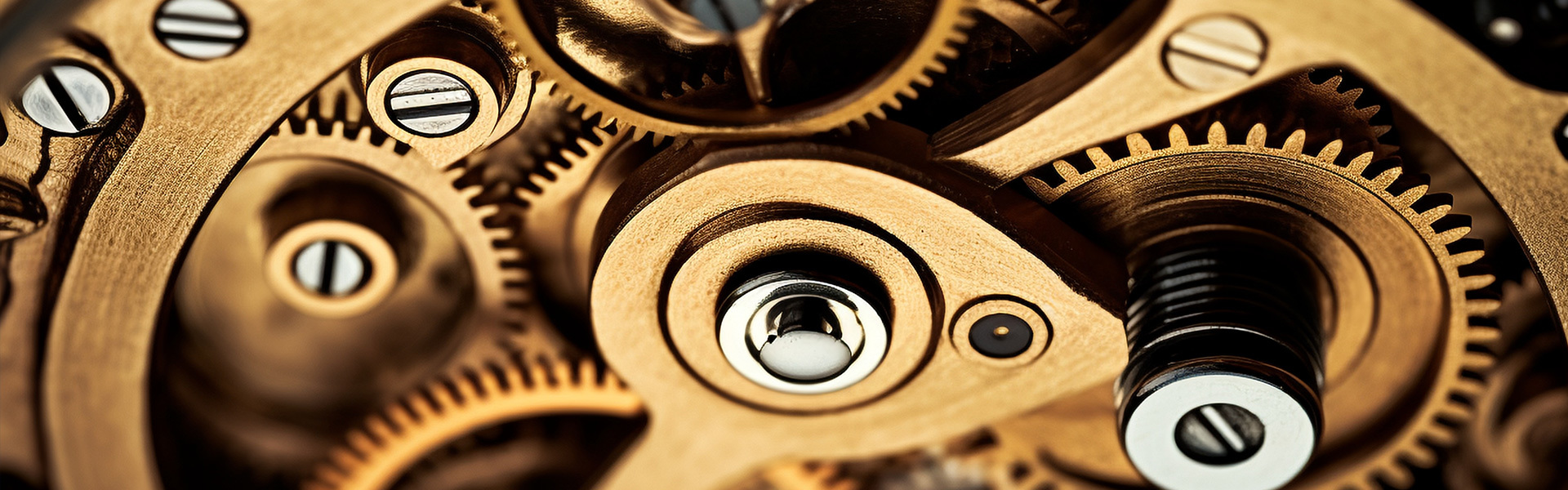
One of the most captivating aspects of automatic mechanical watches is their intricate construction. Each movement is a culmination of hundreds of tiny parts—gears, levers, and springs—all meticulously assembled to create a harmonious system. This complexity not only showcases the skill of the watchmaker but also adds to the aesthetic appeal of the timepiece. Many watch enthusiasts appreciate the transparent case backs of automatic watches, allowing them to view the mesmerizing dance of gears in action.
Moreover, the craftsmanship involved in creating and assembling these movements is often a labor-intensive process, reflecting the dedication and expertise of the artisans who design them. This level of craftsmanship can vary significantly across different manufacturers, with some brands focusing on traditional techniques while others incorporate modern advancements to enhance reliability and precision.
Automatic mechanical watch movements also hold significant value among collectors and aficionados. The allure of owning a piece of horological history, combined with the technical marvel of an automatic movement, makes these watches highly sought after. Collectors often seek out unique features, such as elaborate complications or limited editions, which highlight the innovation and artistry present in high-end timepieces.
In conclusion, automatic mechanical watch movements are more than just a method of keeping time; they represent a rich tradition of craftsmanship, engineering excellence, and aesthetic beauty. Understanding the mechanics behind these movements can deepen one’s appreciation for the art of watchmaking and enhance the overall experience of wearing a finely crafted timepiece. Whether you are a seasoned collector or a newcomer to the world of watches, exploring automatic movements can open up a world of fascination and knowledge that transcends time.
At the core of an automatic watch movement is a rotor, a semi-circular weight that moves freely as the wearer moves their wrist. This motion winds the mainspring, the component that stores energy and powers the watch. The mainspring's release of energy is regulated by a series of gears and escapements, ensuring the watch keeps accurate time. This self-winding feature eliminates the need for regular battery replacements and adds a layer of convenience for the wearer.
One of the most captivating aspects of automatic mechanical watches is their intricate construction. Each movement is a culmination of hundreds of tiny parts—gears, levers, and springs—all meticulously assembled to create a harmonious system. This complexity not only showcases the skill of the watchmaker but also adds to the aesthetic appeal of the timepiece. Many watch enthusiasts appreciate the transparent case backs of automatic watches, allowing them to view the mesmerizing dance of gears in action.
Moreover, the craftsmanship involved in creating and assembling these movements is often a labor-intensive process, reflecting the dedication and expertise of the artisans who design them. This level of craftsmanship can vary significantly across different manufacturers, with some brands focusing on traditional techniques while others incorporate modern advancements to enhance reliability and precision.
Automatic mechanical watch movements also hold significant value among collectors and aficionados. The allure of owning a piece of horological history, combined with the technical marvel of an automatic movement, makes these watches highly sought after. Collectors often seek out unique features, such as elaborate complications or limited editions, which highlight the innovation and artistry present in high-end timepieces.
In conclusion, automatic mechanical watch movements are more than just a method of keeping time; they represent a rich tradition of craftsmanship, engineering excellence, and aesthetic beauty. Understanding the mechanics behind these movements can deepen one’s appreciation for the art of watchmaking and enhance the overall experience of wearing a finely crafted timepiece. Whether you are a seasoned collector or a newcomer to the world of watches, exploring automatic movements can open up a world of fascination and knowledge that transcends time.
Recommended News
Contact Us
Service Hotline
Add:A1, Room 1301, Block 1, Jiabang Guojin Center, No.1 South Shilong Road, Guicheng Street, Nanhai District, Foshan, China

Service Hotline
Add:A1, Room 1301, Block 1, Jiabang Guojin Center, No.1 South Shilong Road, Guicheng Street, Nanhai District, Foshan, China
Online Inquiry