
News
Loved By The People And Close To The People
Understanding the Intricate Mechanism Behind Chronograph Watches
2026-03-23

Understanding the Intricate Mechanism Behind Chronograph Watches
Table of Contents
- Introduction to Chronograph Watches
- A Brief History of Chronograph Watches
- Different Types of Chronograph Watches
- The Mechanism Behind Chronographs
- Key Components of a Chronograph Watch
- Practical Uses of Chronograph Watches
- Maintaining Your Chronograph Watch
- Conclusion
- FAQs about Chronograph Watches
Introduction to Chronograph Watches
Chronograph watches are more than just time-telling devices; they are a blend of artistry and engineering. A chronograph is a watch that offers both standard timekeeping functionalities and a stopwatch feature. This unique combination makes chronographs a favorite among watch enthusiasts and professionals who require precise time measurement for various activities.
Whether you are timing a race, cooking a precise dish, or simply enjoying the aesthetics of a beautifully crafted timepiece, understanding how chronographs operate can enhance your appreciation for these remarkable watches.
A Brief History of Chronograph Watches
The origins of the chronograph date back to the 19th century. The first true chronograph was developed by Louis Moinet in 1816, primarily designed for timing celestial events. However, it was not until the mid-20th century that chronographs gained substantial popularity, particularly among aviators and sports enthusiasts. Brands like Breitling and TAG Heuer played pivotal roles in advancing chronograph technology, leading to features we often see in modern watches today.
Today, chronograph watches come in various styles and complexities, ranging from basic models to intricate pieces featuring multiple sub-dials and functions.
Different Types of Chronograph Watches
Chronograph watches can be categorized into several types, each offering unique features suited for different purposes:
1. Classic Chronographs
Classic chronographs are characterized by their straightforward design, typically featuring a single sub-dial for seconds. These watches are perfect for those who want a simple yet functional timepiece.
2. Flyback Chronographs
Flyback chronographs allow the user to reset the timer without stopping it first. This feature is especially beneficial for pilots and racing enthusiasts who need to measure successive intervals quickly.
3. Rattrapante Chronographs
Also known as split-second chronographs, these watches can measure multiple events simultaneously. They are equipped with an additional hand that can be stopped independently, making them ideal for timing multiple actions.
4. Digital Chronographs
Digital chronographs display time and measurements electronically. They often include advanced features like lap timing and memory functions, appealing to modern audiences and digital watch enthusiasts.
The Mechanism Behind Chronographs
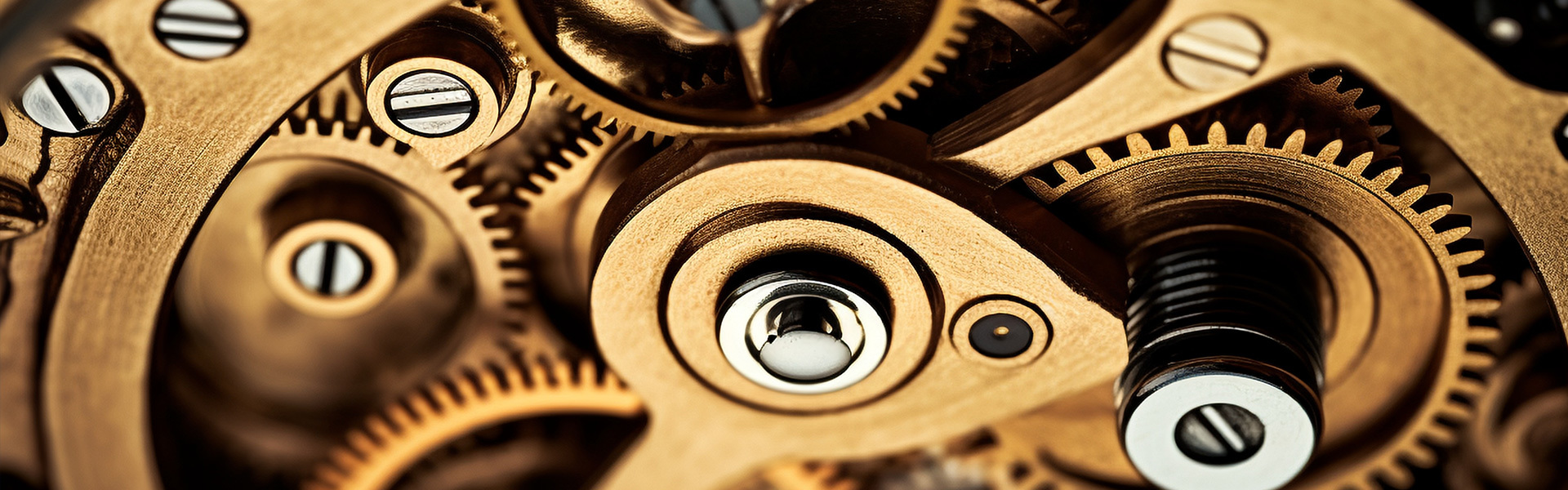
A chronograph’s mechanism is intricate, consisting of various components working in harmony to provide accurate timing. At its core, the chronograph mechanism includes a series of gears, levers, and springs that transmit movement and record time intervals.
1. Movement Types
Chronographs are powered by two main types of movements: quartz and mechanical.
- **Quartz Movements:** These are battery-operated and utilize an electronic oscillator for accuracy. Quartz chronographs are generally more affordable and require less maintenance compared to their mechanical counterparts.
- **Mechanical Movements:** These are crafted from numerous tiny parts and are powered by a mainspring. Mechanical chronographs can be further divided into manual and automatic types. Manual movements require winding by the user, while automatic movements wind themselves through the wearer’s wrist motion.
2. The Role of the Escapement
The escapement is a crucial component in both quartz and mechanical movements, responsible for regulating the release of energy from the mainspring. This regulation ensures that the watch keeps accurate time, allowing the chronograph function to measure intervals precisely.
Key Components of a Chronograph Watch
To understand the functionality of a chronograph, it's vital to familiarize ourselves with its key components:
1. Pushers
Chronographs typically have two pushers located on the right side of the case. The top pusher starts and stops the timer, while the bottom pusher resets it.
2. Sub-dials
Most chronographs feature sub-dials to display elapsed time in hours, minutes, and seconds. These dials provide a clear, easy-to-read format for measuring time accurately.
3. Central Chronograph Hand
The central chronograph hand is used to measure seconds. It moves in increments, allowing users to read elapsed time at a glance.
4. Tachymeter Scale
Some chronograph watches include a tachymeter scale on the bezel, which allows the wearer to measure speed based on time intervals. It’s particularly useful for motorsport enthusiasts.
Practical Uses of Chronograph Watches
Chronograph watches serve various purposes across different fields. Here are some common applications:
1. Sports Timing
Athletes, coaches, and sports enthusiasts often rely on chronographs to time races, workouts, and competitions. The precise timing offered by chronographs can enhance training and performance analysis.
2. Aviation
Pilots frequently use chronographs for timing critical flight phases, such as takeoff and landing. The ability to measure short intervals with accuracy is vital in aviation.
3. Everyday Tasks
For everyday users, chronographs can assist in timing cooking durations, workouts, or any event requiring accurate time measurement. They blend functionality with style, making them an attractive option for daily wear.
Maintaining Your Chronograph Watch
Proper maintenance is essential to ensure the longevity of your chronograph watch. Here are several tips to keep your timepiece in top condition:
1. Regular Cleaning
Wipe your watch with a soft cloth to remove dust and dirt. For deeper cleaning, consider visiting a professional watchmaker.
2. Battery Replacement
If you own a quartz chronograph, replace the battery every 1-2 years to avoid damage to the movement.
3. Service Intervals
Mechanical chronographs should be serviced every 3-5 years to lubricate moving parts and ensure optimal functionality.
4. Water Resistance
If your chronograph is water-resistant, ensure that the seals are intact and have them checked regularly to maintain this feature.
Conclusion
Chronograph watches are an exquisite amalgamation of craftsmanship, technology, and artistry. Understanding their intricate mechanisms not only enhances your appreciation for these remarkable timepieces but also empowers you to choose the right chronograph that fits your style and needs. Whether you are a collector, a sports enthusiast, or someone who simply values precision and elegance in a watch, the chronograph offers unparalleled functionality combined with aesthetic appeal.
FAQs about Chronograph Watches
1. What is a chronograph watch?
A chronograph watch is a timepiece that offers both standard timekeeping and a stopwatch function, allowing users to measure elapsed time.
2. How does a chronograph work?
A chronograph works by utilizing a series of gears, levers, and springs to track time intervals while maintaining accurate standard timekeeping.
3. Are quartz or mechanical chronographs better?
It depends on personal preference. Quartz chronographs are more accurate and low-maintenance, while mechanical chronographs are valued for their craftsmanship and traditional appeal.
4. Can I wear my chronograph watch while swimming?
If your chronograph is rated for water resistance, you can wear it while swimming. Always check the manufacturer’s specifications.
5. How often should I service my chronograph watch?
Mechanical chronographs should be serviced every 3-5 years, while quartz models typically require battery replacements rather than full services.
Recommended News
Contact Us
Service Hotline
Add:A1, Room 1301, Block 1, Jiabang Guojin Center, No.1 South Shilong Road, Guicheng Street, Nanhai District, Foshan, China

Service Hotline
Add:A1, Room 1301, Block 1, Jiabang Guojin Center, No.1 South Shilong Road, Guicheng Street, Nanhai District, Foshan, China
Online Inquiry