
News
Loved By The People And Close To The People
Exploring the Intricate Mechanisms Behind Men's Chronograph Watches
2026-03-15

Exploring the Intricate Mechanisms Behind Men's Chronograph Watches
Table of Contents
- 1. Introduction to Chronograph Watches
- 2. What Is a Chronograph Watch?
- 3. The History of Chronograph Watches
- 4. How Do Chronograph Watches Work?
- 5. Key Components of Chronograph Watches
- 6. Different Types of Chronograph Watches
- 7. The Importance of Chronograph Watches in Today's Market
- 8. Care and Maintenance of Chronograph Watches
- 9. Conclusion
- 10. Frequently Asked Questions
1. Introduction to Chronograph Watches
Chronograph watches occupy a unique niche in the realm of horology. Combining functionality with elegance, these timepieces are not just for telling time; they serve as versatile tools for precision timing. This article aims to explore the intricate mechanisms behind men’s chronograph watches, revealing their workings, significance, and much more. Whether you are a seasoned watch collector or a newcomer fascinated by the world of timepieces, this comprehensive guide will provide valuable insights into the mechanics of chronographs.
2. What Is a Chronograph Watch?
A chronograph watch is a specific type of timepiece that features a stopwatch function in addition to the standard timekeeping capabilities. This dual functionality is achieved through additional sub-dials and pushers, allowing the wearer to measure elapsed time intervals with precision. The allure of chronographs extends beyond their practical use; they embody a marriage of complex engineering and sophisticated design.
Chronographs are often confused with standard watches; however, their added complications set them apart. While traditional watches may solely indicate the hour and minute, chronographs allow users to time events accurately, which is beneficial in various scenarios ranging from sporting activities to scientific experiments.
3. The History of Chronograph Watches
The origins of the chronograph can be traced back to the 19th century. The term "chronograph" comes from the Greek words "chronos" (time) and "grapho" (to write), which highlights its function of recording time. The first chronograph was invented by Louis Moinet in 1816, who designed a device capable of measuring fractions of seconds. His invention marked a significant milestone in horology, paving the way for modern chronographs.
Throughout the years, many renowned watchmakers like Breitling and Tag Heuer have contributed to the evolution of chronograph technology. The introduction of automatic chronographs in the 1960s further revolutionized the industry, offering a self-winding mechanism that eliminated the need for manual winding.
4. How Do Chronograph Watches Work?
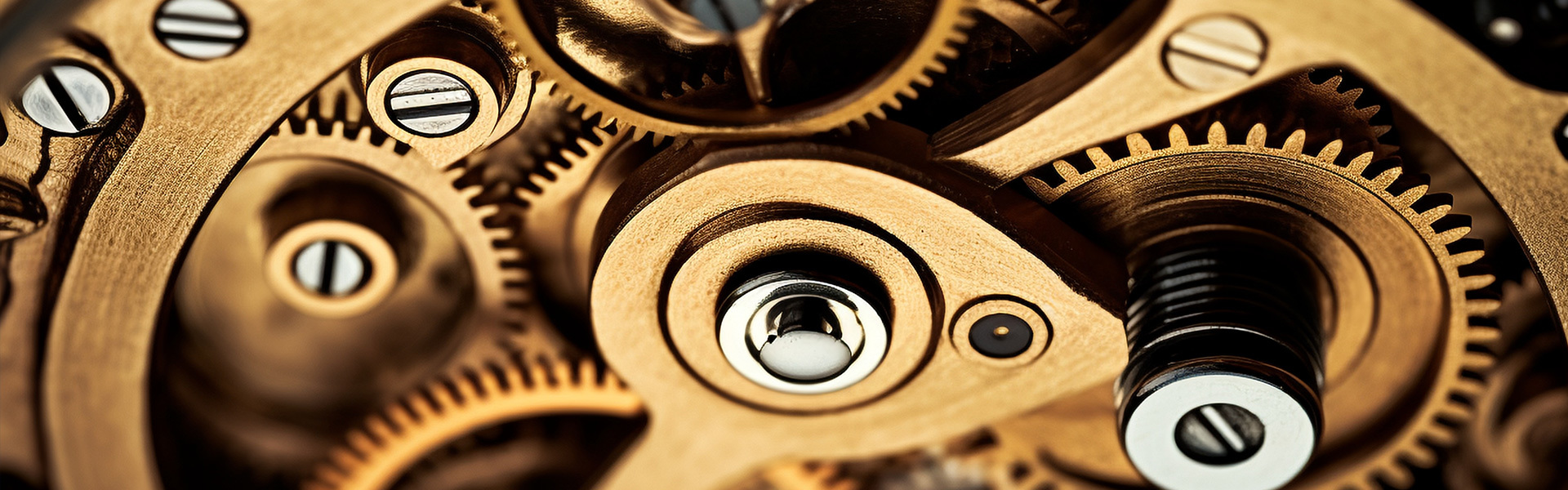
Understanding how chronograph watches work involves delving into their intricate mechanisms. At the heart of a chronograph lies a series of gears and levers that interact to measure time accurately. When the user presses the start button, the chronograph's second hand begins to move, while the sub-dials track minutes and hours.
The mechanism operates through a combination of a mainspring, gears, and a balance wheel. The mainspring provides the necessary power, while the gears translate this power into movement. The balance wheel regulates the flow of energy, ensuring the watch keeps accurate time.
To stop the timing function, the user simply presses the button again, and the chronograph can be reset to zero with another push. This seamless operation exemplifies the craftsmanship involved in creating precision timepieces.
5. Key Components of Chronograph Watches
Chronograph watches consist of several essential components that work harmoniously to deliver precision and functionality. Understanding these parts provides insight into the craftsmanship behind these timepieces:
5.1 The Movement
The movement is the heart of the chronograph. It can be mechanical (manual or automatic) or quartz. Mechanical movements are preferred by purists due to their intricate craftsmanship, while quartz movements are valued for their accuracy.
5.2 Sub-dials
Sub-dials display elapsed time measurements. Typically, chronographs feature at least two sub-dials: one for minutes and another for hours. These provide a clear readout of timed events and enhance the watch's aesthetic appeal.
5.3 Pushers
Chronograph watches feature pushers on the side of the case, allowing the wearer to start, stop, and reset the chronograph function. These buttons are crucial for operating the watch effectively.
5.4 The Dial
The main dial of the watch displays the standard time, while additional markings indicate the chronograph function. The design of the dial affects both the readability and overall style of the watch.
5.5 The Crown
The crown is used to set the time and date and is often integral to winding the watch if it is mechanical. It connects to the movement and plays a significant role in the watch's functionality.
6. Different Types of Chronograph Watches
Chronograph watches come in various styles and functionalities, catering to diverse preferences and needs. Here are some notable types:
6.1 Flyback Chronographs
Flyback chronographs allow users to reset the timer without stopping the ongoing measurement. This feature is particularly useful in aviation and motorsports, where rapid timing is essential.
6.2 Rattrapante Chronographs
Also known as split-second chronographs, these watches feature an additional hand that can be stopped independently of the main chronograph hand. This allows for the timing of multiple events simultaneously.
6.3 Automatic Chronographs
Automatic chronographs harness the power of the wearer’s movement, winding themselves as they are worn. This self-winding feature eliminates the need for manual winding and enhances convenience.
6.4 Quartz Chronographs
Quartz chronographs utilize battery power for precise timekeeping. Often more affordable than their mechanical counterparts, quartz chronographs are popular among casual watch enthusiasts.
7. The Importance of Chronograph Watches in Today's Market
Chronograph watches hold significant value in today’s luxury watch market. Their blend of functionality and style appeals to a wide audience, making them a popular choice for both collectors and casual wearers.
These timepieces often symbolize precision and reliability, attributes highly regarded in the fast-paced world we live in. As technology continues to advance, the innovations in chronograph designs also evolve, incorporating smart technology and advanced materials that enhance their durability and functionality.
Moreover, the aesthetic versatility of chronographs allows them to be worn on various occasions, from formal events to casual outings, making them a staple in any watch enthusiast’s collection.
8. Care and Maintenance of Chronograph Watches
Proper care and maintenance are essential for ensuring the longevity and optimal performance of chronograph watches. Here are some key tips:
8.1 Regular Cleaning
Keeping your chronograph clean is vital. Use a soft cloth to wipe the watch regularly, and ensure the case and bracelet are free from dirt and sweat.
8.2 Professional Servicing
Mechanical chronographs, in particular, benefit from professional servicing every 3 to 5 years. This check-up ensures that all components are functioning correctly and that the watch remains accurate.
8.3 Water Resistance Checks
If your chronograph is water-resistant, have its seal checked regularly to maintain its integrity. Avoid exposing it to water beyond its rated capacity.
8.4 Avoid Extreme Conditions
Where possible, avoid exposing your chronograph to extreme temperatures or magnetic fields, which can affect its performance.
9. Conclusion
Men's chronograph watches are more than just stylish accessories; they are intricate instruments of precision and craftsmanship. Understanding the mechanisms behind these timepieces enhances our appreciation of the artistry involved in their creation. From their rich history to the various types available today, chronographs hold a unique place in horology.
As technology continues to advance, the evolution of chronograph watches promises to bring even more innovative features and designs. Whether you are a passionate collector or someone looking to explore the world of watches, embracing the intricacies of chronograph mechanisms will undoubtedly enrich your experience.
10. Frequently Asked Questions
10.1 What is the primary function of a chronograph watch?
A chronograph watch is primarily designed to measure elapsed time in addition to telling the current time.
10.2 Are chronograph watches accurate?
Yes, chronograph watches, especially those with quartz movements, are known for their high accuracy. Mechanical chronographs can also be very precise with proper maintenance.
10.3 How do I reset a chronograph watch?
To reset the chronograph, press the reset button (usually the top pusher) after stopping the timer. This will return the sub-dials to zero.
10.4 Can I wear a chronograph while swimming?
It depends on the watch's water resistance rating. Always check the manufacturer’s specifications before exposing your chronograph to water.
10.5 What should I look for when buying a chronograph watch?
Consider the movement type (mechanical or quartz), additional features (like flyback or rattrapante), brand reputation, and personal style preferences when purchasing a chronograph watch.
By familiarizing yourself with these aspects of men's chronograph watches, you can make informed choices and appreciate the remarkable craftsmanship behind these remarkable timepieces.
Recommended News
Contact Us
Service Hotline
Add:A1, Room 1301, Block 1, Jiabang Guojin Center, No.1 South Shilong Road, Guicheng Street, Nanhai District, Foshan, China

Service Hotline
Add:A1, Room 1301, Block 1, Jiabang Guojin Center, No.1 South Shilong Road, Guicheng Street, Nanhai District, Foshan, China
Online Inquiry