
News
Loved By The People And Close To The People
The Timeless Art of Watches: Exploring Craftsmanship and Innovation
2026-02-26

Watches are more than just instruments for telling time; they are symbols of craftsmanship, innovation, and personal style. The art of watchmaking dates back several centuries, evolving from simple sundials to complex mechanical masterpieces that embody precision engineering and artistic design.
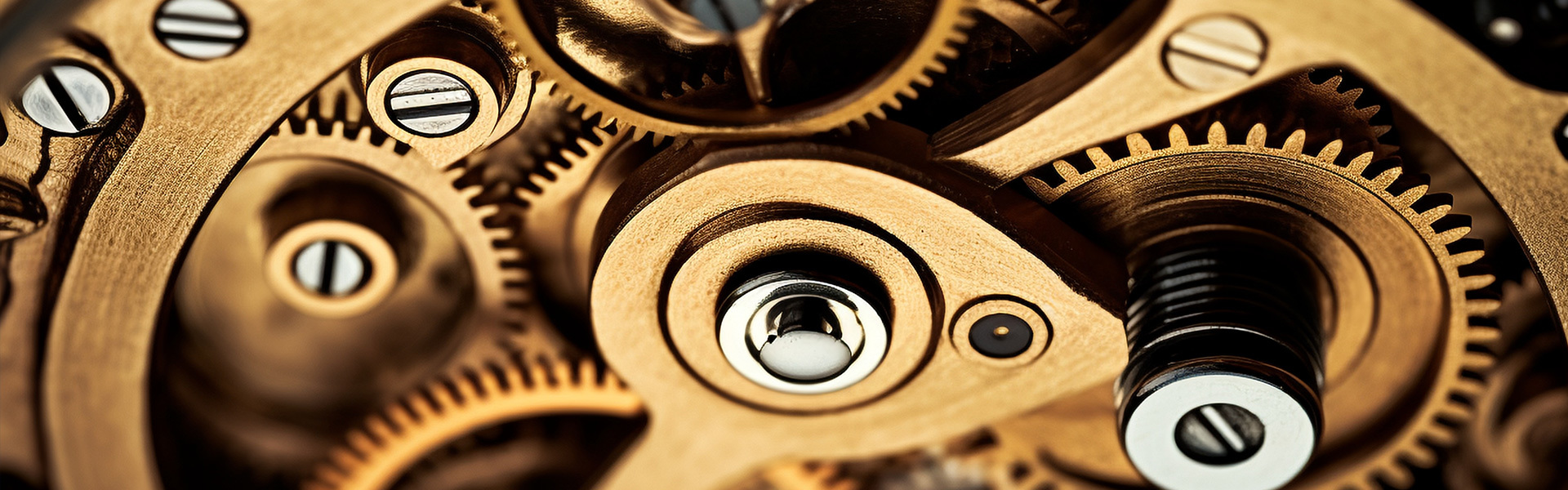
At the heart of every watch lies a movement, the intricate mechanism that powers its function. There are primarily two types of movements: mechanical and quartz. Mechanical movements are further divided into manual and automatic. Manual movements require the wearer to wind the watch regularly, whereas automatic movements self-wind through the natural motion of the wearer’s wrist. These movements are celebrated for their craftsmanship, often featuring an array of miniature gears, springs, and levers, each carefully assembled to create a reliable timekeeping instrument.
On the other hand, quartz movements, which utilize batteries, revolutionized the watch industry in the late 20th century. Their accuracy and lower maintenance needs made them popular among consumers, leading to a shift in watchmaking techniques. Despite this, many watch enthusiasts appreciate the artistry involved in mechanical watchmaking, viewing it as a testament to human ingenuity and tradition.
Craftsmanship in watchmaking is not limited to the movement; the materials used in creating watches play a significant role. High-quality watches often feature cases made from stainless steel, gold, or titanium, while the watch faces can be adorned with sapphire crystal, known for its scratch resistance. The choice of strap material, whether it be leather, metal, or fabric, can also influence the overall aesthetic and comfort of the watch.
Moreover, the design of a watch is often a reflection of cultural influences and technological advancements. From classic designs that echo vintage styles to modern iterations with smart technology integration, the variety of watches available caters to different tastes and preferences. Many brands blend traditional craftsmanship with contemporary technology, producing timepieces that are both functional and fashionable.
In summary, watches are a captivating blend of art and science, representing not only the passage of time but also human creativity and skill. Whether you are a fervent collector or a casual wearer, understanding the intricacies of watches can enhance your appreciation for these remarkable instruments. As the industry continues to innovate, the allure of watches remains timeless, captivating those who seek both beauty and precision in their everyday lives.
At the heart of every watch lies a movement, the intricate mechanism that powers its function. There are primarily two types of movements: mechanical and quartz. Mechanical movements are further divided into manual and automatic. Manual movements require the wearer to wind the watch regularly, whereas automatic movements self-wind through the natural motion of the wearer’s wrist. These movements are celebrated for their craftsmanship, often featuring an array of miniature gears, springs, and levers, each carefully assembled to create a reliable timekeeping instrument.
On the other hand, quartz movements, which utilize batteries, revolutionized the watch industry in the late 20th century. Their accuracy and lower maintenance needs made them popular among consumers, leading to a shift in watchmaking techniques. Despite this, many watch enthusiasts appreciate the artistry involved in mechanical watchmaking, viewing it as a testament to human ingenuity and tradition.
Craftsmanship in watchmaking is not limited to the movement; the materials used in creating watches play a significant role. High-quality watches often feature cases made from stainless steel, gold, or titanium, while the watch faces can be adorned with sapphire crystal, known for its scratch resistance. The choice of strap material, whether it be leather, metal, or fabric, can also influence the overall aesthetic and comfort of the watch.
Moreover, the design of a watch is often a reflection of cultural influences and technological advancements. From classic designs that echo vintage styles to modern iterations with smart technology integration, the variety of watches available caters to different tastes and preferences. Many brands blend traditional craftsmanship with contemporary technology, producing timepieces that are both functional and fashionable.
In summary, watches are a captivating blend of art and science, representing not only the passage of time but also human creativity and skill. Whether you are a fervent collector or a casual wearer, understanding the intricacies of watches can enhance your appreciation for these remarkable instruments. As the industry continues to innovate, the allure of watches remains timeless, captivating those who seek both beauty and precision in their everyday lives.
Recommended News
Contact Us
Service Hotline
Add:A1, Room 1301, Block 1, Jiabang Guojin Center, No.1 South Shilong Road, Guicheng Street, Nanhai District, Foshan, China

Service Hotline
Add:A1, Room 1301, Block 1, Jiabang Guojin Center, No.1 South Shilong Road, Guicheng Street, Nanhai District, Foshan, China
Online Inquiry