
News
Loved By The People And Close To The People
A Beginner's Comprehensive Guide to Understanding Mechanical Watches
2026-01-30

A Beginner's Comprehensive Guide to Understanding Mechanical Watches
Table of Contents
- 1. Introduction to Mechanical Watches
- 2. The Fascinating History of Mechanical Watches
- 3. How Mechanical Watches Work: The Inner Mechanisms
- 4. Maintenance and Care for Mechanical Watches
- 5. How to Choose the Right Mechanical Watch
- 6. Popular Mechanical Watch Brands to Consider
- 7. Current Trends in the Mechanical Watch Market
- 8. Frequently Asked Questions about Mechanical Watches
- 9. Conclusion: Embracing the Art of Mechanical Watches
1. Introduction to Mechanical Watches
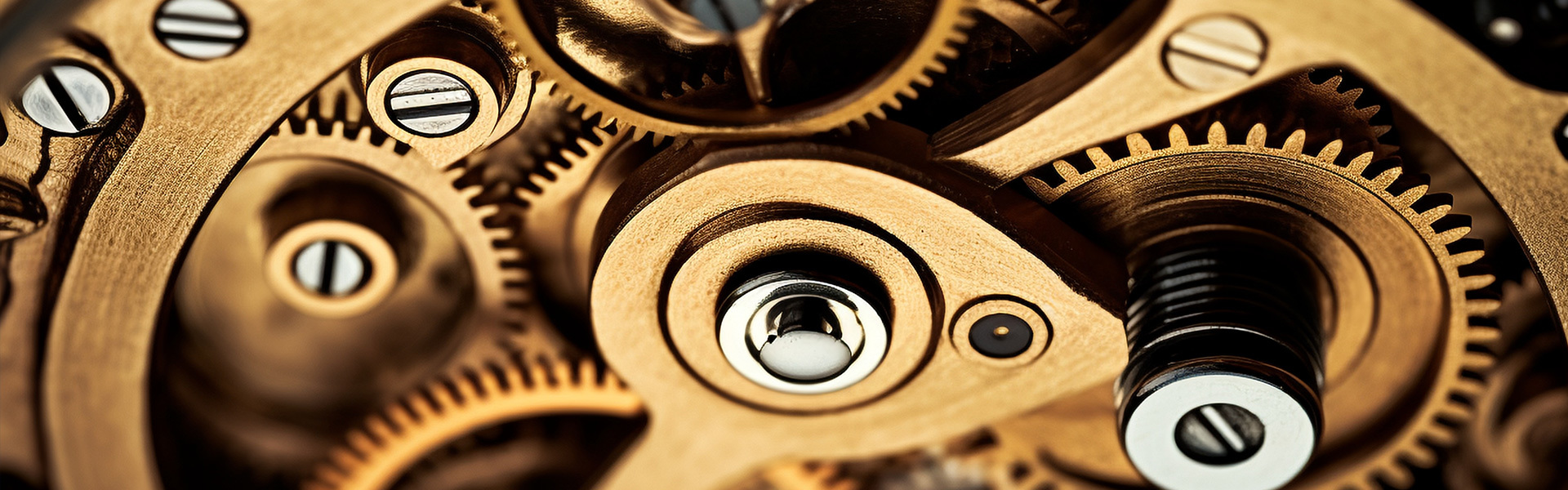
Mechanical watches are more than just timekeeping devices; they are **works of art** that combine engineering precision with aesthetic beauty. For beginners venturing into the world of horology, understanding the nuances of mechanical watches is essential. These watches rely on intricate movements powered by springs and gears rather than batteries, distinguishing them from quartz watches. This guide will help you appreciate the craftsmanship behind these incredible timepieces and guide you on your journey to becoming a knowledgeable collector or enthusiast.
2. The Fascinating History of Mechanical Watches
The history of mechanical watches dates back several centuries. The first portable timepieces emerged in the late 15th century. Key innovations during the Renaissance, such as the escapement mechanism, enabled these devices to become more accurate. As we moved into the 18th century, the production of watches shifted from handmade items to industrially produced models, making them accessible to a broader public.
The name **“mechanical watch”** began to surface during the 19th century as watchmakers refined their craft, leading to the introduction of notable movements like the **Tourbillon.** The 20th century marked a significant transition with the rise of quartz technology, yet mechanical watches continued to allure collectors and enthusiasts, appreciated for their craftsmanship and historical significance.
3. How Mechanical Watches Work: The Inner Mechanisms
Understanding how mechanical watches operate requires delving into their fundamental components and movements.
3.1 Understanding Movement Types: Manual vs. Automatic
The two primary types of mechanical movements are **manual** and **automatic**.
- **Manual watches** require the wearer to wind the crown regularly to tighten the mainspring, which powers the watch.
- **Automatic watches**, or self-winding watches, harness the energy generated by the wearer's wrist movements. A rotor within the watch spins with motion, winding the mainspring automatically.
Both types offer a unique experience, and your choice may depend on your preference for interaction with your timepiece.
3.2 Key Components of Mechanical Watches
Several key components work together to ensure the accurate functioning of mechanical watches:
- **Mainspring**: Stores energy and powers the watch as it unwinds.
- **Gear Train**: Transfers energy from the mainspring to the escapement.
- **Escapement**: Regulates the release of energy and keeps time.
- **Balance Wheel**: Oscillates to maintain accurate timekeeping.
- **Dial and Hands**: Display the time and other information.
Each component plays a crucial role, and the precise interaction between them is what allows these watches to function accurately.
4. Maintenance and Care for Mechanical Watches
Proper maintenance is vital for ensuring that your mechanical watch continues to perform optimally. Here are essential tips for care:
- **Regular Servicing**: Just like a car, mechanical watches require regular servicing—typically every 3 to 5 years—to keep them in top shape.
- **Avoid Magnetism**: Keep your watch away from strong magnetic fields, which can disrupt its accuracy.
- **Protect from Water**: Understand the water resistance of your watch and avoid exposing it to moisture if it lacks sufficient protection.
- **Proper Storage**: Store your watch in a cool, dry place, preferably in a watch box or winder to keep it wound and ready to wear.
Adopting these practices will extend the life of your mechanical watch and preserve its beauty.
5. How to Choose the Right Mechanical Watch
Selecting the perfect mechanical watch can be overwhelming, especially for beginners. Here are some key considerations to help guide your decision.
5.1 Setting Your Budget
Mechanical watches come in a range of prices, from affordable models to luxury pieces that can cost thousands. Determine a budget that aligns with your financial situation and stick to it.
5.2 Choosing the Right Style
Mechanical watches are available in various styles, from classic dress watches to rugged divers and sporty chronographs. Your personal style and intended use should influence your choice. Consider factors like the watch’s case size, material, and overall aesthetic.
6. Popular Mechanical Watch Brands to Consider
There are numerous brands that produce high-quality mechanical watches. Some of the most revered include:
- **Rolex**: Known for luxury and precision, Rolex watches are often viewed as a status symbol.
- **Omega**: Renowned for its innovative technology and classic designs, Omega watches are a favorite among enthusiasts.
- **Seiko**: Offers a wide range of mechanical watches at various price points, making it accessible for beginners.
- **Tag Heuer**: Famous for its sporty models, Tag Heuer combines style with performance.
Researching these brands can help you identify which aligns with your preferences and budget.
7. Current Trends in the Mechanical Watch Market
The world of mechanical watches is continuously evolving. Recent trends include:
- **Sustainability**: Brands are increasingly focusing on sustainable practices, such as using recycled materials.
- **Smart Mechanical Watches**: The fusion of traditional mechanics with modern technology has led to innovative designs.
- **Vintage Revival**: Interest in vintage styles has surged, with many brands reissuing popular designs from the past.
Staying informed about these trends can enhance your appreciation of mechanical watches.
8. Frequently Asked Questions about Mechanical Watches
What is the difference between a mechanical watch and a quartz watch?
Mechanical watches rely on springs and gears for timekeeping, while quartz watches use battery power and a quartz crystal for accuracy.
How often should I service my mechanical watch?
It’s recommended to service your mechanical watch every 3 to 5 years to ensure optimal performance.
Can I wear my mechanical watch while swimming?
It depends on the water resistance of your specific model. Always check the manufacturer’s specifications before exposing it to water.
Do mechanical watches lose time?
Yes, over time, mechanical watches can lose or gain a few seconds a day. Regular servicing helps maintain accuracy.
How can I tell if my watch is automatic or manual?
An automatic watch will wind itself with movement, while a manual watch requires winding by the crown.
9. Conclusion: Embracing the Art of Mechanical Watches
Understanding mechanical watches invites you into a rich world of craftsmanship, history, and precision engineering. Whether you are a novice or an aspiring collector, grasping the fundamentals of these timepieces is crucial. By appreciating their inner workings, caring for them properly, and choosing the right model, you can cultivate a meaningful relationship with your mechanical watch. As you embark on your horological journey, remember that each tick and tock reflects a legacy of artistry and innovation, waiting to be explored.
Recommended News
Contact Us
Service Hotline
Add:A1, Room 1301, Block 1, Jiabang Guojin Center, No.1 South Shilong Road, Guicheng Street, Nanhai District, Foshan, China

Service Hotline
Add:A1, Room 1301, Block 1, Jiabang Guojin Center, No.1 South Shilong Road, Guicheng Street, Nanhai District, Foshan, China
Online Inquiry