
News
Loved By The People And Close To The People
How Automatic Mechanical Watch Movement Enhances Timekeeping Precision
2026-01-19

How Automatic Mechanical Watch Movement Enhances Timekeeping Precision
Table of Contents
1. Introduction to Automatic Mechanical Watches
2. Understanding Watch Movement Types
2.1. Quartz vs. Mechanical Movements
2.2. The Beauty of Automatic Movement
3. Key Components of Automatic Mechanical Movements
3.1. The Role of the Rotor
3.2. Escapement Mechanism Explained
4. How Automatic Movements Enhance Precision
4.1. The Importance of Balance Wheel
4.2. Temperature Stability and Timekeeping
5. Advantages of Automatic Mechanical Watches
5.1. Longevity and Durability
5.2. Aesthetic Appeal and Craftsmanship
6. Common Myths About Automatic Watches
7. Maintenance Tips for Optimal Performance
8. Conclusion
9. Frequently Asked Questions (FAQs)
1. Introduction to Automatic Mechanical Watches
In the realm of horology, automatic mechanical watches stand as a hallmark of precision and craftsmanship. **These watches utilize a remarkable technology that harnesses the natural motion of the wearer to wind the watch**, ensuring that it remains powered without the need for a battery. This article delves into the intricate mechanisms that allow automatic watches to enhance timekeeping precision, providing an in-depth understanding of their components and advantages.
2. Understanding Watch Movement Types
When it comes to timepieces, the movement is the heart that determines its functionality. Watch movements can be broadly categorized into two types: quartz and mechanical. Each type has its own unique attributes and advantages.
2.1. Quartz vs. Mechanical Movements
**Quartz movements**, powered by batteries, are known for their accuracy and minimal maintenance needs. However, they lack the intricate craftsmanship and heritage associated with mechanical movements. In contrast, **mechanical movements** are celebrated for their artistry and precision, particularly automatic movements that wind themselves through the wearer's movements.
2.2. The Beauty of Automatic Movement
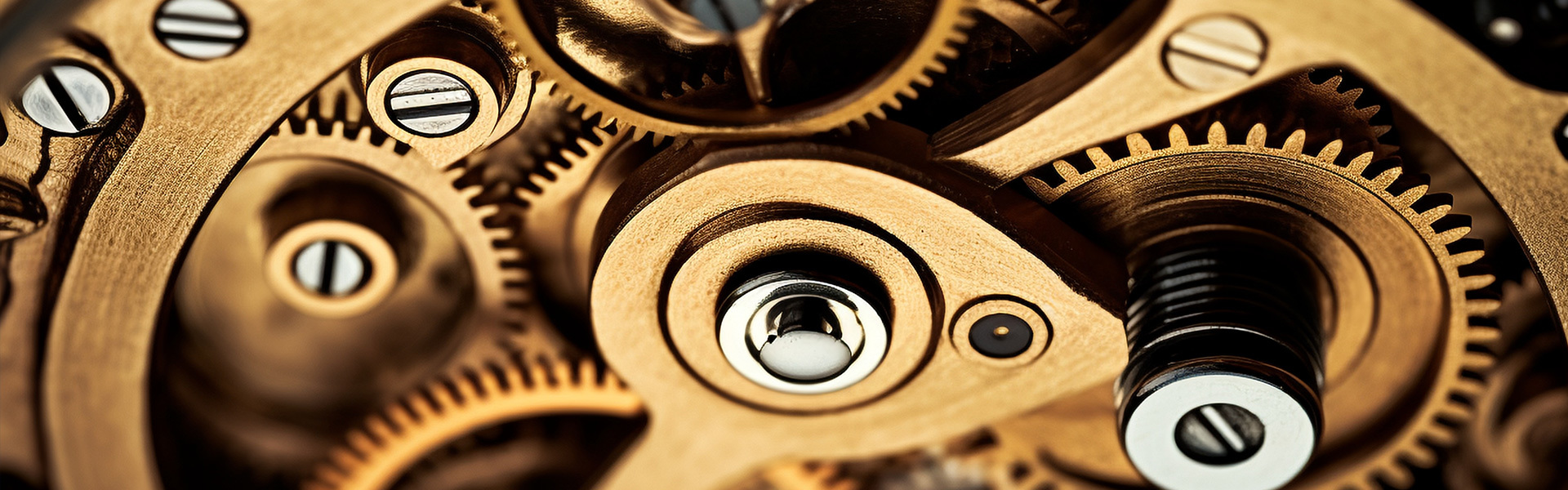
Automatic mechanical movements are engineered with a fascinating complexity. **They combine intricate gears, springs, and rotors** to create a self-winding mechanism that enhances timekeeping precision. Understanding how these components work together is crucial to appreciating the excellence of automatic watches.
3. Key Components of Automatic Mechanical Movements
To fully grasp how automatic mechanical watches achieve their precision, it’s essential to explore the key components that make up their movements.
3.1. The Role of the Rotor
The rotor is a pivotal component of automatic movements. **This semi-circular weight rotates as the wearer's wrist moves**, winding the mainspring that powers the watch. The efficiency of the rotor's movement plays a significant role in the overall accuracy of timekeeping.
3.2. Escapement Mechanism Explained
The escapement is another vital component that regulates the release of energy from the mainspring. **By employing a pallet fork and escape wheel, the escapement controls the watch's gear train**, allowing for precise time intervals. The synchronization of these parts is crucial for maintaining accurate time.
4. How Automatic Movements Enhance Precision
Automatic mechanical watches are renowned for their precision, largely due to their sophisticated design and engineering.
4.1. The Importance of Balance Wheel
At the core of timekeeping accuracy is the balance wheel, which oscillates at a constant rate. **The balance wheel's stability is paramount**, as it directly influences the watch’s accuracy. Variations in the balance wheel's motion can lead to discrepancies in timekeeping.
4.2. Temperature Stability and Timekeeping
Temperature fluctuations can affect timekeeping precision. **Automatic watches are engineered with materials that minimize such effects**, ensuring consistent performance under varying conditions. This stability is a testament to the advanced engineering behind these timepieces.
5. Advantages of Automatic Mechanical Watches
Beyond their precision, automatic mechanical watches offer several advantages that appeal to enthusiasts and collectors alike.
5.1. Longevity and Durability
With proper care, automatic watches can last for generations. **Their robust construction and high-quality materials ensure they withstand the test of time**, making them a worthwhile investment.
5.2. Aesthetic Appeal and Craftsmanship
The artistry involved in crafting automatic mechanical watches is unparalleled. **From intricate dials to finely finished cases, these timepieces are not just tools for telling time but also wearable art** that showcases the skill of skilled horologists.
6. Common Myths About Automatic Watches
Several misconceptions surround automatic watches. One prevalent myth is that they are less accurate than quartz watches. **In reality, high-quality automatic watches can rival quartz in terms of precision**, especially with regular maintenance and proper usage.
7. Maintenance Tips for Optimal Performance
To ensure your automatic watch maintains its precision, regular maintenance is critical. Here are some essential tips:
- **Keep it wound**: Regularly wear your watch or use a watch winder to keep the movement active.
- **Service regularly**: Have your watch serviced every three to five years to maintain its accuracy and performance.
- **Avoid extremes**: Keep your watch away from extreme temperatures and magnetic fields, which can affect its movement.
8. Conclusion
Automatic mechanical watches exemplify the fusion of art and engineering, offering unparalleled timekeeping precision. Through the intricate interactions of their components, particularly the rotor and escapement, these timepieces not only keep accurate time but also serve as a testament to the craftsmanship of watchmakers. Understanding and appreciating the mechanisms behind automatic movements enhances the overall experience of owning such a remarkable timepiece. As technology evolves, the legacy of automatic watches continues to thrive, captivating enthusiasts around the world.
9. Frequently Asked Questions (FAQs)
1. How does an automatic watch work?
An automatic watch works by harnessing the natural motion of the wearer, which causes a rotor to spin and wind the mainspring, powering the watch.
2. Do automatic watches require batteries?
No, automatic watches do not require batteries as they are powered by mechanical movement.
3. How often should I service my automatic watch?
It is recommended to service your automatic watch every three to five years to maintain its accuracy and performance.
4. Can automatic watches be worn while swimming?
Many automatic watches are water-resistant, but it is essential to check the rating before wearing one for swimming.
5. What is the difference between automatic and manual watches?
While both are types of mechanical watches, automatic watches wind themselves through movement, whereas manual watches require the wearer to wind them by hand.
This comprehensive guide aims to provide a deep dive into the world of automatic mechanical watches and their impressive timekeeping precision.
Recommended News
Contact Us
Service Hotline
Add:A1, Room 1301, Block 1, Jiabang Guojin Center, No.1 South Shilong Road, Guicheng Street, Nanhai District, Foshan, China

Service Hotline
Add:A1, Room 1301, Block 1, Jiabang Guojin Center, No.1 South Shilong Road, Guicheng Street, Nanhai District, Foshan, China
Online Inquiry