
News
Loved By The People And Close To The People
Exploring the Intricacies of Watch Craftsmanship
2026-01-10

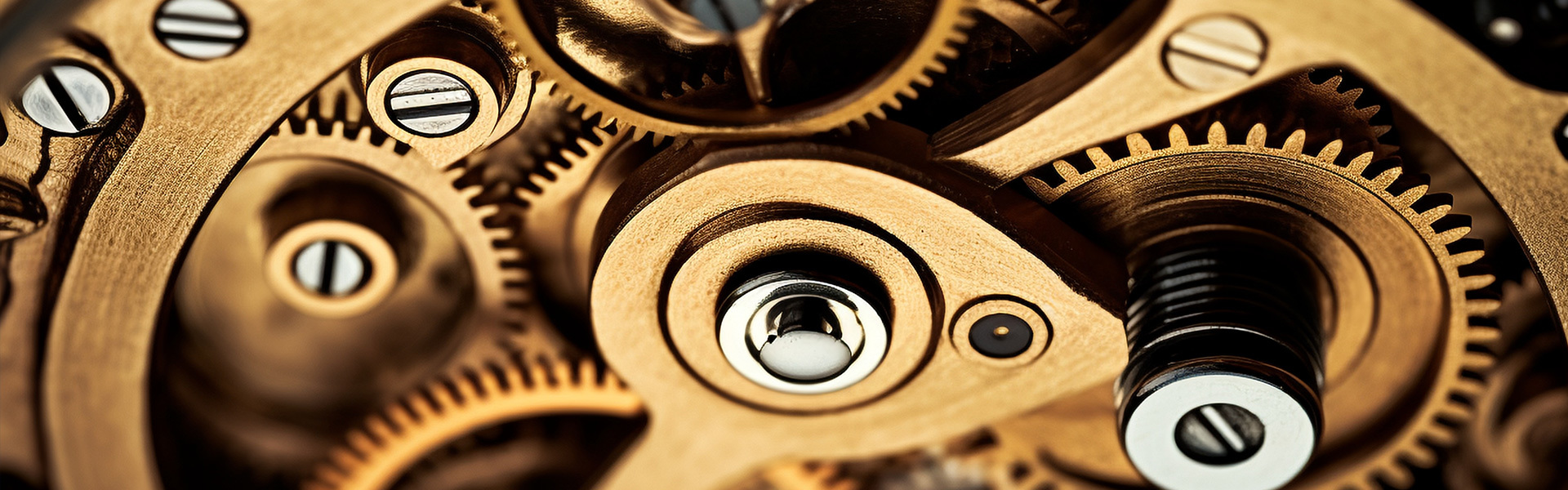
Watches are not merely timekeeping devices; they are the culmination of art and engineering. The craftsmanship involved in creating a watch is a meticulous process that includes design, engineering, and assembly. Each component, from the movement to the case, plays a crucial role in the overall function and aesthetics of the watch.
At the heart of every watch lies its movement, which can be classified into two main types: mechanical and quartz. Mechanical movements are powered by a mainspring and require manual winding or self-winding mechanisms. They are often favored by purists who appreciate the intricate engineering and craftsmanship involved in their creation. Quartz movements, on the other hand, utilize a battery and a quartz crystal to keep time with remarkable accuracy and minimal maintenance. Understanding these differences can help clients choose the right watch that aligns with their lifestyle and preferences.
The materials used in watchmaking are equally important. High-end watches often incorporate precious metals such as gold and platinum, along with durable materials like stainless steel or titanium. Additionally, watch faces can be crafted from sapphire crystal, which provides scratch resistance and clarity. Clients should consider the material of a watch not only for its aesthetic appeal but also for its durability and longevity.
Design is another critical aspect of watches. A well-designed watch balances functionality with style, often reflecting the wearer's personality. From classic designs with minimalist dials to modern interpretations with complex features, the variety is vast. Additionally, watch complications, such as chronographs, calendars, and moon phases, add layers of functionality that elevate a timepiece from simple to extraordinary.
In recent years, the rise of smartwatches has also reshaped the watch industry. These devices combine traditional watch functions with advanced technology, offering features like fitness tracking, notifications, and even mobile payments. Understanding the distinctions between traditional and smart watches can aid consumers in making informed choices based on their needs.
In conclusion, when considering a watch, it is essential to understand the craftsmanship, materials, and design elements that contribute to its value and functionality. Watches are a blend of tradition and innovation, making them not just accessories, but timeless pieces of artistry. With a deep appreciation for the technical details behind these creations, clients can enhance their selection process, ensuring they choose a watch that truly resonates with their personal style and requirements.
At the heart of every watch lies its movement, which can be classified into two main types: mechanical and quartz. Mechanical movements are powered by a mainspring and require manual winding or self-winding mechanisms. They are often favored by purists who appreciate the intricate engineering and craftsmanship involved in their creation. Quartz movements, on the other hand, utilize a battery and a quartz crystal to keep time with remarkable accuracy and minimal maintenance. Understanding these differences can help clients choose the right watch that aligns with their lifestyle and preferences.
The materials used in watchmaking are equally important. High-end watches often incorporate precious metals such as gold and platinum, along with durable materials like stainless steel or titanium. Additionally, watch faces can be crafted from sapphire crystal, which provides scratch resistance and clarity. Clients should consider the material of a watch not only for its aesthetic appeal but also for its durability and longevity.
Design is another critical aspect of watches. A well-designed watch balances functionality with style, often reflecting the wearer's personality. From classic designs with minimalist dials to modern interpretations with complex features, the variety is vast. Additionally, watch complications, such as chronographs, calendars, and moon phases, add layers of functionality that elevate a timepiece from simple to extraordinary.
In recent years, the rise of smartwatches has also reshaped the watch industry. These devices combine traditional watch functions with advanced technology, offering features like fitness tracking, notifications, and even mobile payments. Understanding the distinctions between traditional and smart watches can aid consumers in making informed choices based on their needs.
In conclusion, when considering a watch, it is essential to understand the craftsmanship, materials, and design elements that contribute to its value and functionality. Watches are a blend of tradition and innovation, making them not just accessories, but timeless pieces of artistry. With a deep appreciation for the technical details behind these creations, clients can enhance their selection process, ensuring they choose a watch that truly resonates with their personal style and requirements.
Previous:
Recommended News
Contact Us
Service Hotline
Add:A1, Room 1301, Block 1, Jiabang Guojin Center, No.1 South Shilong Road, Guicheng Street, Nanhai District, Foshan, China

Service Hotline
Add:A1, Room 1301, Block 1, Jiabang Guojin Center, No.1 South Shilong Road, Guicheng Street, Nanhai District, Foshan, China
Online Inquiry