
News
Loved By The People And Close To The People
Understanding the Intricacies of Automatic Mechanical Watch Movements
2025-12-24

Automatic mechanical watch movements represent a pinnacle of horological engineering and artistry, seamlessly blending precision, craftsmanship, and tradition. Unlike quartz watches powered by batteries, automatic watches harness energy from the natural motion of the wearer’s wrist, making them self-winding. This ingenious design incorporates a rotor, a semi-circular weight that rotates with the movement of the wrist, winding the mainspring and thereby storing energy.
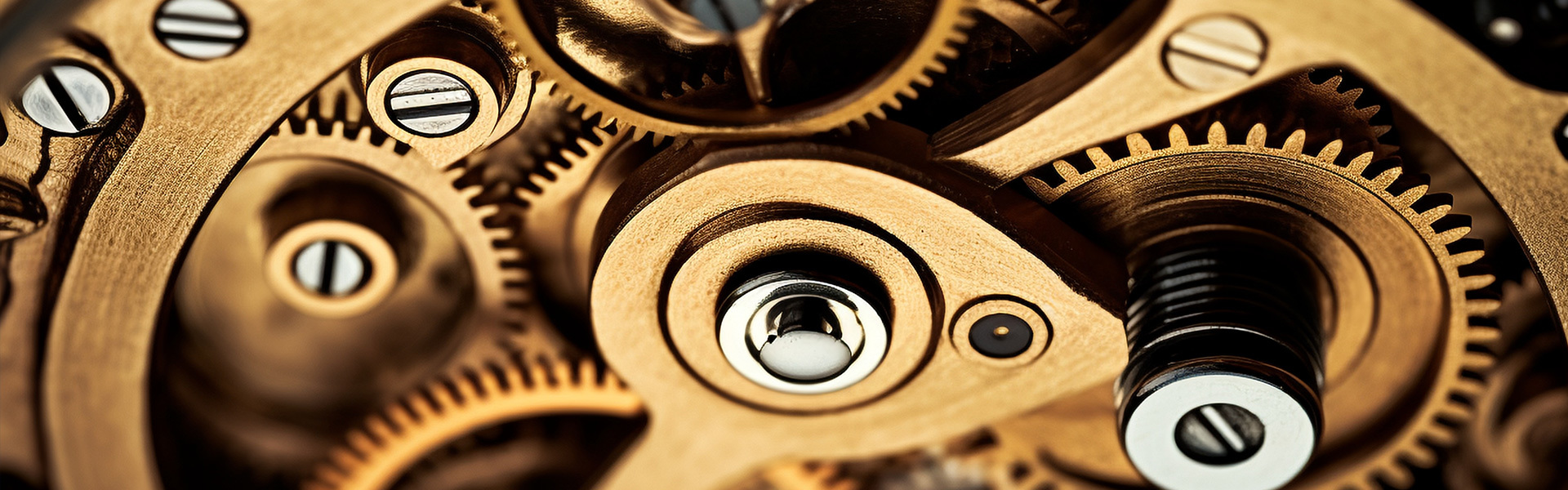
One of the remarkable features of automatic mechanical movements is their intricate construction. Typically composed of numerous tiny components, including gears, springs, and jewels, these movements require exceptional precision in assembly and regulation. The fine craftsmanship involved not only influences the watch's reliability but also its performance, ensuring accurate timekeeping. Many watchmakers showcase their expertise through transparent case backs, allowing enthusiasts to admire the complex interplay of gears and springs in action.
The advantages of automatic movements extend beyond mere convenience. For many watch aficionados, the allure lies in the craftsmanship and the mechanical heritage associated with these timepieces. Each watch tells a story, reflecting the meticulous attention to detail and the rich history of horology. Furthermore, automatic movements often feature a power reserve, usually ranging from 40 to 80 hours, ensuring the watch continues to function even when not worn for a couple of days.
Maintenance is a critical aspect of owning an automatic mechanical watch. Regular servicing may be required to ensure the movement operates smoothly over time. This can involve cleaning, lubrication, and replacement of worn parts, which is typically recommended every three to five years, depending on the watch's usage and environment. Taking care of your automatic watch not only preserves its functionality but also its value.
Another fascinating aspect is the variety of complications that can be integrated with automatic movements. From chronographs, which measure elapsed time, to perpetual calendars that account for leap years, these additional features enhance the watch’s functionality while showcasing the skill of the watchmaker. As a result, each automatic mechanical watch can be both a functional instrument and a work of art, appealing to a wide range of enthusiasts.
In summary, automatic mechanical watch movements are not just timekeeping devices; they embody the spirit of innovation and tradition in horology. Understanding their mechanics and appreciating the craftsmanship behind them can enhance one’s experience with these exquisite timepieces. Whether you are a seasoned collector or new to the world of watches, recognizing the value and intricacy of automatic movements can deepen your appreciation for this art form.
One of the remarkable features of automatic mechanical movements is their intricate construction. Typically composed of numerous tiny components, including gears, springs, and jewels, these movements require exceptional precision in assembly and regulation. The fine craftsmanship involved not only influences the watch's reliability but also its performance, ensuring accurate timekeeping. Many watchmakers showcase their expertise through transparent case backs, allowing enthusiasts to admire the complex interplay of gears and springs in action.
The advantages of automatic movements extend beyond mere convenience. For many watch aficionados, the allure lies in the craftsmanship and the mechanical heritage associated with these timepieces. Each watch tells a story, reflecting the meticulous attention to detail and the rich history of horology. Furthermore, automatic movements often feature a power reserve, usually ranging from 40 to 80 hours, ensuring the watch continues to function even when not worn for a couple of days.
Maintenance is a critical aspect of owning an automatic mechanical watch. Regular servicing may be required to ensure the movement operates smoothly over time. This can involve cleaning, lubrication, and replacement of worn parts, which is typically recommended every three to five years, depending on the watch's usage and environment. Taking care of your automatic watch not only preserves its functionality but also its value.
Another fascinating aspect is the variety of complications that can be integrated with automatic movements. From chronographs, which measure elapsed time, to perpetual calendars that account for leap years, these additional features enhance the watch’s functionality while showcasing the skill of the watchmaker. As a result, each automatic mechanical watch can be both a functional instrument and a work of art, appealing to a wide range of enthusiasts.
In summary, automatic mechanical watch movements are not just timekeeping devices; they embody the spirit of innovation and tradition in horology. Understanding their mechanics and appreciating the craftsmanship behind them can enhance one’s experience with these exquisite timepieces. Whether you are a seasoned collector or new to the world of watches, recognizing the value and intricacy of automatic movements can deepen your appreciation for this art form.
Recommended News
Contact Us
Service Hotline
Add:A1, Room 1301, Block 1, Jiabang Guojin Center, No.1 South Shilong Road, Guicheng Street, Nanhai District, Foshan, China

Service Hotline
Add:A1, Room 1301, Block 1, Jiabang Guojin Center, No.1 South Shilong Road, Guicheng Street, Nanhai District, Foshan, China
Online Inquiry